Trading cards win the investment comparison right now, and it is not particularly close. Over the past year, Pokemon cards have appreciated an average of 46 percent, according to Fortune, while Bitcoin finished 2025 down roughly 6 percent, Ethereum dropped 11 percent, and Solana cratered 34 percent. The most expensive trading card ever sold at auction, Logan Paul’s Pikachu Illustrator card, fetched $16.492 million at Goldin Auctions in February 2026 after 97 bids over 42 days. Meanwhile, Bitcoin sits around $68,000 to $70,000, deep in “extreme fear” territory on the Crypto Fear and Greed Index, after falling from its all-time high of roughly $126,198 last October.
That said, declaring a permanent winner between these two asset classes is a fool’s errand. Crypto dominated the conversation from 2020 through mid-2025, and trading cards have had their own brutal downturns. What matters is understanding how each investment actually behaves, what drives its value, and which one fits your situation. This article breaks down the real numbers on market size and returns, compares liquidity and volatility head to head, examines the emerging hybrid products blurring the line between cards and crypto, and lays out a practical framework for deciding where your money belongs.
Table of Contents
- How Have Trading Cards and Crypto Actually Performed as Investments?
- Why Trading Cards Hold a Structural Advantage Over Crypto Right Now
- The Volatility Problem in Both Markets
- Liquidity, Storage, and the Hidden Costs of Each Investment
- Counterfeits, Fraud, and Security Risks You Cannot Ignore
- The Hybrid Future Where Cards Meet Crypto
- Where Both Markets Are Headed in 2026 and Beyond
- Conclusion
- Frequently Asked Questions
How Have Trading Cards and Crypto Actually Performed as Investments?
The raw numbers tell a compelling story for cardboard. The global collectible card market is estimated at over $13 billion in 2026 and is projected to surpass $20 billion by 2030, according to CardsRealm. The sports trading card segment alone was valued at $10.4 billion in 2024 and is projected to reach $28.47 billion by 2033, a compound annual growth rate of about 12.5 percent according to SkyQuestt. High-grade vintage cards like the 1952 Mickey Mantle rookie have achieved returns rivaling blue-chip stocks and real estate over the past decade, per Benzinga. And that 46 percent average appreciation for Pokemon cards over a single year dwarfs the S&P 500’s typical 12 percent annual return. Crypto’s 2025, by contrast, was a year of broken promises. The total crypto market cap ended the year at $3.0 trillion, down 10.4 percent, after briefly nearing $4 trillion in Q3 according to CoinGecko’s annual report.
Bitcoin hit its all-time high of around $126,198 in October before retracing sharply. By year-end, Bitcoin had lost about 6 percent. The one bright spot was stablecoins, which surged 48.9 percent and gained $102.1 billion year over year, but stablecoins are designed not to appreciate, so that growth reflects people parking money safely rather than making aggressive bets. The critical caveat here is time horizon. If you bought Bitcoin in 2020, you are still sitting on enormous gains despite the recent drawdown. If you bought graded Pokemon cards at the peak of the 2021 hype, many are still underwater. Past performance in either asset class is a terrible predictor of future returns, and anyone who tells you otherwise is selling something.
Why Trading Cards Hold a Structural Advantage Over Crypto Right Now
Trading cards have something crypto fundamentally lacks: you can hold them in your hands, put them in a display case, and show them to people who actually care. That tangibility is not just sentimental. As Splint Invest notes, physical assets are immune to the kinds of catastrophic failures that plague crypto, including exchange collapses, wallet hacks, and protocol exploits. Nobody has ever lost a PSA 10 Charizard because a centralized exchange went bankrupt. The scarcity model also works differently and, for collectors, more intuitively. Both assets derive value from limited supply. Bitcoin has its hard cap of 21 million coins, and rare cards have limited print runs. But card scarcity operates on multiple layers.
A Base Set Charizard is scarce, but a PSA 10 Base Set Charizard is dramatically scarcer, and a PSA 10 first edition shadowless version is scarcer still. Each grading tier creates a new scarcity curve within the same card, compounding the value for top specimens. However, if you need to sell quickly, cards are at a serious disadvantage. Finding the right buyer for a high-value card can take weeks or months. You may need to get the card graded first, adding more time. Shipping introduces risk of damage or loss. Crypto, by comparison, trades 24 hours a day, 7 days a week, with near-instant settlement on major exchanges. If liquidity matters more to you than tangibility, that is a real tradeoff you cannot ignore.
The Volatility Problem in Both Markets
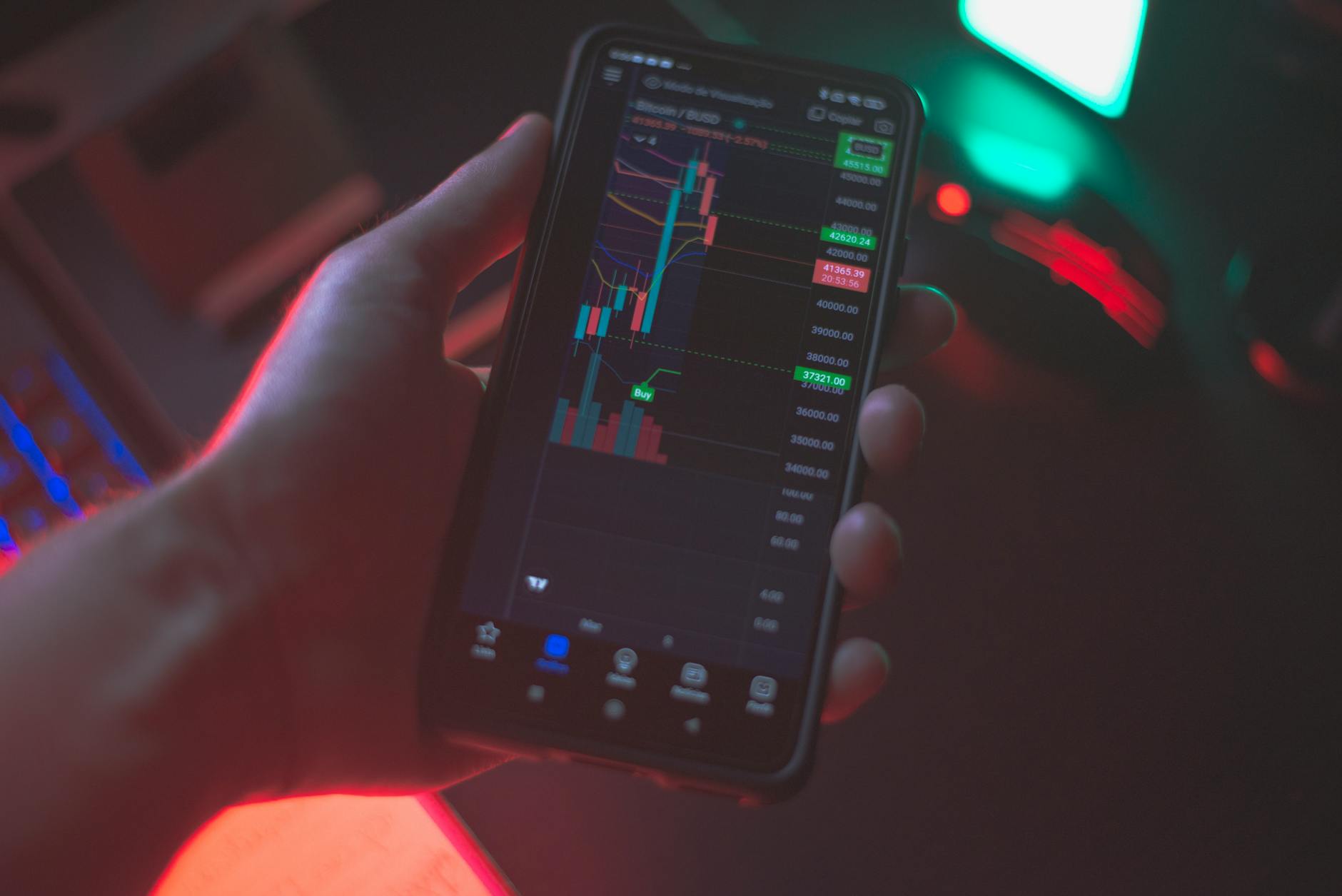
People who dismiss crypto as too volatile while treating trading cards as stable investments are fooling themselves. Both asset classes can swing wildly. Bitcoin went from $126,198 to roughly $61,000 in about four months. But the Pokemon card market had its own reckoning after the 2021 boom, when prices on many modern cards dropped 50 to 70 percent from their peaks. The difference is that card price crashes happen in slow motion, because the market is illiquid, while crypto crashes happen on a Tuesday afternoon. The February 2026 crypto market illustrates the emotional toll of digital asset volatility.
Bitcoin is trading in an expected range of $64,000 to $75,000, the Fear and Greed Index is in extreme fear territory, and the recent $8.7 billion wipeout shook even experienced holders. When you own a physical card, a market downturn feels abstract because the card is still sitting in your collection. When you watch a crypto portfolio drop 40 percent in real time on your phone at 3 a.m., the psychological pressure to panic-sell is immense. That said, volatility is the price of admission for outsized returns in any speculative asset. The same swings that terrify you on the way down are what produce the 46 percent annual returns on Pokemon cards and the multi-thousand-percent decade returns that early Bitcoin adopters enjoyed. The question is whether you have the stomach and the time horizon to weather the drops.

Liquidity, Storage, and the Hidden Costs of Each Investment
Crypto’s biggest practical advantage is frictionless trading. You can buy or sell Bitcoin at 2 a.m. on a Sunday, and the transaction settles in minutes. There are no shipping costs, no grading fees, no insurance premiums for storing valuable assets. Your costs are exchange fees, which are typically under 1 percent, and gas fees for on-chain transactions. Trading cards come with a long list of hidden expenses that erode returns. Professional grading from PSA or BGS runs $20 to $150 or more per card, depending on the service tier and turnaround time. You need proper storage supplies like penny sleeves, toploaders, and potentially a fireproof safe or a bank safety deposit box for high-value cards.
Selling on eBay costs roughly 13 percent in fees. Selling through auction houses like Goldin means paying a buyer’s premium. Shipping a $10,000 card requires insurance, signature confirmation, and careful packaging. These costs can shave 15 to 25 percent off your gross returns on any given transaction. The tradeoff is that those friction costs also dampen panic selling. You cannot dump your card collection at 3 a.m. during a market dip, which paradoxically protects you from your own worst impulses. Many longtime card collectors have outperformed crypto traders not because cards are inherently better investments, but because the illiquidity forced them to hold through downturns that would have triggered stop-losses in a crypto portfolio.
Counterfeits, Fraud, and Security Risks You Cannot Ignore
Both markets have serious fraud problems, but the nature of the risk differs. In trading cards, counterfeiting is the primary threat. Fake grading slabs, resealed vintage packs, trimmed cards submitted for grading, and increasingly sophisticated reprints plague the market. The solution is buying from reputable dealers, learning to authenticate cards yourself, and only purchasing graded cards from established companies. Even then, mistakes happen. In 2023, PSA acknowledged that some counterfeit slabs had entered circulation, rattling collector confidence.
Crypto fraud operates on a larger scale and with faster consequences. Exchange hacks, rug pulls on new tokens, phishing attacks that drain wallets, and social engineering scams targeting holders are constant threats. The irreversibility of blockchain transactions means that once your crypto is stolen, it is almost certainly gone forever. At least with a stolen trading card, there is a chance it surfaces at a show or auction house and can be recovered. A warning worth repeating: never invest more than you can afford to lose in either asset class. These are speculative investments, not savings vehicles. The person who put their emergency fund into Bitcoin at $126,000 and the person who maxed out a credit card to buy a PSA 10 Illustrator Pikachu at market peak are making the same fundamental mistake, just in different markets.
The Hybrid Future Where Cards Meet Crypto
The line between trading cards and crypto is already blurring. Cardsmiths sells physical trading cards with embedded crypto redemptions, and the results have been dramatic. One GameStop shopper turned a $13 pack into approximately $115,000 in Bitcoin, according to Yahoo Finance.
These hybrid products appeal to collectors who want tangible cards and crypto speculators who enjoy the lottery-ticket thrill of hidden digital prizes. This convergence suggests that the “trading cards versus crypto” framing may become obsolete within a few years. As blockchain technology matures and tokenization of physical assets becomes more practical, we may see graded cards with on-chain provenance records, fractional ownership of high-value cards traded as tokens, and physical-digital bundles that combine the best properties of both asset classes. Naluda Magazine has described trading cards as “the new crypto,” but the more accurate framing is that the two markets are merging.
Where Both Markets Are Headed in 2026 and Beyond
The trading card market’s trajectory looks strong on fundamentals. Steady market growth projections, record-breaking auction prices like the $16.492 million Pikachu Illustrator sale, and continued demand from millennial and Gen Z collectors all point to sustained expansion. The sports card segment’s projected growth to $28.47 billion by 2033 suggests that cards as an asset class are still in a relatively early growth phase. Crypto’s near-term future hinges on institutional adoption and macroeconomic conditions.
Pantera Capital projects Bitcoin could reach $135,000 to $150,000 by mid-2026 if institutional flows return and ETF inflows turn positive. Grayscale has described 2026 as the “Dawn of the Institutional Era” for digital assets. If those forecasts prove correct, crypto could dramatically outperform trading cards over the next 12 months. But crypto forecasts have a long history of spectacular misses in both directions. The honest answer is that nobody knows where Bitcoin will be in six months, and anyone who claims certainty is not worth listening to.
Conclusion
Right now, the data favors trading cards. A 46 percent average annual return on Pokemon cards versus a negative year for major cryptocurrencies is a stark contrast. The $16.492 million Pikachu Illustrator sale and the broader market growth projections suggest that collectible cards have entered a new era of legitimacy as alternative investments. The tangibility, the emotional connection collectors feel to their cards, and the built-in friction that prevents panic selling all work in the card market’s favor.
But “which investment wins” depends entirely on your timeline, risk tolerance, and personal interests. If you love Pokemon cards and plan to hold for five or more years, the combination of enjoyment and appreciation potential makes cards a compelling choice. If you want maximum liquidity and believe in the long-term thesis for decentralized digital assets, crypto still has a case, especially at current prices that are well below the 2025 highs. The worst strategy in either market is chasing recent performance. The best strategy is buying what you understand, holding through volatility, and never betting money you cannot afford to watch disappear.
Frequently Asked Questions
Are Pokemon cards a better investment than Bitcoin?
Over the past year, yes. Pokemon cards appreciated an average of 46 percent compared to Bitcoin’s roughly 6 percent decline in 2025. But Bitcoin has dramatically outperformed cards over longer time horizons like five and ten years. The answer depends entirely on when you buy and how long you hold.
How much has the most expensive trading card ever sold for?
Logan Paul’s Pikachu Illustrator card sold for $16.492 million at Goldin Auctions in February 2026, confirmed by Guinness World Records as the most expensive trading card ever sold at auction. The previous record was a Michael Jordan and Kobe Bryant Dual Logoman Autographs card that sold for $12.932 million in August 2025.
Is crypto dead in 2026?
No, but it is in a painful downturn. Bitcoin is trading around $68,000 to $70,000 as of mid-February 2026, well below its October 2025 high of $126,198. The total crypto market cap ended 2025 down 10.4 percent. However, major institutions like Pantera Capital and Grayscale remain bullish on the medium-term outlook, projecting Bitcoin could reach $135,000 to $150,000 by mid-2026.
Can you make money investing in trading cards?
Yes, but it requires knowledge, patience, and acceptance of risk. High-grade vintage cards have achieved returns rivaling blue-chip stocks over the past decade. However, transaction costs including grading fees, platform fees, and shipping can eat 15 to 25 percent of gross profits on individual sales. Most people who profit from cards are collectors first and investors second.
What are the biggest risks of investing in trading cards versus crypto?
Trading cards face risks from counterfeiting, condition degradation, illiquidity, and shifting collector tastes. Crypto faces risks from exchange failures, hacking, regulatory crackdowns, and extreme price volatility. Both are speculative assets that can lose significant value quickly.