
Charizard Base Set 2 is one of the most misunderstood cards in the Pokemon collecting hobby, often dismissed as a “reprint” while quietly commanding prices between $200 and $5,000 depending on condition and grading. The card, numbered 4/130, is functionally identical to the original Base Set Charizard in terms of artwork and stats, but it carries distinct identifiers that separate it from its 1999 predecessor, most notably the Base Set 2 logo stamped on the right side of the card illustration and the copyright date of 2000. A PSA 10 gem mint copy has sold for over $4,500 in recent transactions, while raw copies in lightly played condition typically move in the $150 to $300 range, making it significantly more affordable than the original Base Set version for collectors who want the iconic Mitsuhiro Arita Charizard artwork without the five-figure price tag.
The Base Set 2 expansion was released in February 2000 as a way for new players to access cards from the original Base Set and Jungle sets, which had largely disappeared from store shelves by that point. Because it was marketed as a beginner product and printed during a period when the initial Pokemon craze was already cooling, many collectors at the time overlooked it entirely, and a surprising number of Base Set 2 packs were opened by kids who shuffled these cards into binder pages and shoe boxes without sleeves. That history of casual handling is exactly why high-grade copies are harder to find than many collectors assume. This article covers how to identify a Base Set 2 Charizard, what drives its pricing, how it compares to the original Base Set version, grading considerations, and where the card fits in the broader Charizard collecting landscape.
Table of Contents
- How Do You Tell a Base Set 2 Charizard from the Original?
- Base Set 2 Charizard Price Breakdown by Condition and Grade
- Where Base Set 2 Charizard Fits in the Charizard Hierarchy
- Grading Your Base Set 2 Charizard: What to Expect
- Common Problems When Buying Base Set 2 Charizard
- Sealed Base Set 2 Product and the Charizard Pull Rates
- The Long-Term Outlook for Base Set 2 Charizard
- Conclusion
- Frequently Asked Questions
How Do You Tell a Base Set 2 Charizard from the Original?
The fastest way to identify a Base Set 2 charizard is to look at the set symbol on the right side of the card’s artwork window. The original Base Set Charizard has no set symbol at all, which is actually a hallmark of the earliest Pokemon releases. The Base Set 2 version features a distinct logo, a stylized Pokeball with a large “2” next to it, printed in that position. Additionally, the Base Set 2 card is numbered 4/130 rather than the original’s 4/102, reflecting the larger set size that incorporated Jungle cards alongside Base Set reprints. There are a few other subtle differences worth noting. The copyright line at the bottom of the Base Set 2 card reads “1999-2000 Wizards” as opposed to just “1999 Wizards” on the unlimited Base Set version.
The card stock and print quality also differ slightly. Base Set 2 cards were printed on what many collectors describe as a slightly thinner, smoother card stock compared to the original run, and the color saturation on the holofoil tends to be marginally different, sometimes appearing a touch darker or with slightly less contrast in the background fire effects. These differences are minor enough that a casual observer might not notice them, but experienced graders and collectors can feel the difference in hand. One common mistake newer collectors make is confusing Base Set Unlimited prints with Base Set 2 prints because both lack the first edition stamp. If you are buying raw cards online, always check for that set symbol next to the artwork. If there is no symbol at all and the card is numbered out of 102, you have a Base Set Unlimited. If there is the Pokeball-2 symbol and it is numbered out of 130, you have Base Set 2.

Base Set 2 Charizard Price Breakdown by Condition and Grade
Raw, ungraded copies of the Base Set 2 Charizard range widely in price depending on condition. A heavily played copy with whitening on the edges and surface scratches across the holo will typically sell in the $100 to $175 range. Lightly played copies with minimal edge wear bring $200 to $350, while near mint raw copies can push into the $400 to $600 range, though sellers often overestimate their card’s condition, and many listings described as “near mint” would grade out to a PSA 7 or 8 at best. Graded copies follow a steeper curve. A PSA 7 generally sells for $250 to $400, a PSA 8 for $400 to $800, and a PSA 9 for $900 to $2,000. The jump to PSA 10 is where things get serious.
Gem mint Base Set 2 Charizards have sold for $3,500 to $5,500 in the past year, with prices fluctuating based on the broader market cycle. The PSA 10 population is smaller than many collectors expect. As of recent population reports, there are roughly 500 to 600 PSA 10s on record for this card, compared to well over 1,000 for the Base Set Unlimited version. That lower population at the top end is one factor keeping PSA 10 prices firm even during market corrections. However, if you are buying primarily as an investment, you should be aware that Base Set 2 historically has less liquidity than Base Set. During market downturns, Base Set 2 cards tend to sit on the market longer before finding buyers, and price declines can be sharper percentage-wise than for their Base Set counterparts. The card is better understood as a collecting piece for Charizard enthusiasts than as a pure speculative play.
Where Base Set 2 Charizard Fits in the Charizard Hierarchy
The Charizard collecting space has layers. At the peak sits the 1st Edition Base Set Charizard, a card that regularly sells for $50,000 to $400,000 depending on grade. Below that is the Base Set Shadowless Charizard, which occupies the $5,000 to $50,000 range. Then comes the Base Set Unlimited, typically ranging from $300 to $10,000 graded. The Base Set 2 Charizard sits just below that tier, offering the same Arita artwork at a lower price point.
For a collector who wants to own every English Charizard printed during the Wizards of the Coast era, the Base Set 2 version is essential. It also appeals to a specific type of collector, the person who grew up during the 2000 era of pokemon and remembers Base Set 2 packs as their entry point into the hobby. Nostalgia is a powerful driver in this market, and for kids who started collecting in 2000 rather than 1999, the Base Set 2 Charizard is their iconic chase card, not the original. An interesting comparison point is the Legendary Collection Charizard, another early 2000s reprint that features the same artwork but with a reverse holo “fireworks” pattern variant. That card has generally outpaced the Base Set 2 in price growth because of its unique visual appeal. If you are choosing between the two for a collection and budget is a concern, the Base Set 2 offers the cleaner, classic look, while the Legendary Collection version offers rarity and visual distinctiveness at a higher cost.
Grading Your Base Set 2 Charizard: What to Expect
If you are considering sending a Base Set 2 Charizard in for grading, you need to evaluate whether the cost and wait time justify the potential return. PSA’s standard service tier runs around $50 per card with turnaround times that have varied wildly over the past few years. For a card that would grade at a 7 or below, grading likely does not make financial sense, you would be paying $50 or more to encapsulate a card worth $250 to $350, and the slab adds marginal value at those grades. The sweet spot for grading is when you have a card you believe will hit an 8 or above. A PSA 8 at $500 to $800 provides enough of a premium over raw pricing to justify the grading fee and the risk. If you genuinely believe your card is a 9 or 10 candidate, grading is a clear yes, as the price multiplier is substantial.
Look carefully at the card under bright light for surface scratches, check all four corners under magnification for micro-whitening, and examine the centering. Base Set 2 cards are notorious for centering issues, many were cut slightly off center, particularly on the back, which can cap your grade at an 8 or 9 even if the rest of the card is flawless. The tradeoff between PSA and CGC grading matters here too. PSA commands higher resale premiums on vintage Pokemon cards in almost every case, sometimes 15 to 30 percent higher for the same numeric grade. CGC offers faster turnaround and sometimes stricter grading standards, which appeals to collectors who care more about the actual card quality than the label brand. For maximizing resale value specifically, PSA remains the standard for this era of cards.
Common Problems When Buying Base Set 2 Charizard
The most frequent issue buyers encounter is misidentified listings. Sellers on platforms like eBay sometimes list Base Set Unlimited Charizards as Base Set 2, or vice versa, either through ignorance or intentionally. Always verify the set symbol and the numbering before purchasing. Another common problem is “near mint” raw cards that arrive with hidden surface scratches only visible under direct light at an angle. Holo cards from this era are particularly susceptible to surface wear, and the Base Set 2 Charizard’s large holofoil area makes scratches especially visible.
Counterfeit cards are less of an issue with Base Set 2 than with 1st Edition Base Set, simply because the counterfeiting effort is less profitable. That said, fake cards do exist, and the easiest tests remain the light test, a real card should let a moderate amount of light through evenly, and the feel test, genuine Wizards-era cards have a particular texture and stiffness that reproductions rarely match. If you are buying graded, stick to PSA, CGC, or Beckett slabs purchased through reputable sellers, and always verify the certification number against the grading company’s online database. One limitation to be aware of is that price guides and automated valuation tools often lag behind actual market conditions for Base Set 2 cards. Because the card trades in lower volume than the Base Set Unlimited Charizard, price aggregators may reflect sales data that is weeks or months old. Your best bet for accurate pricing is to check recently completed eBay listings, filtering for sold items within the last 30 to 60 days, and comparing several data points rather than relying on a single reference.
Sealed Base Set 2 Product and the Charizard Pull Rates
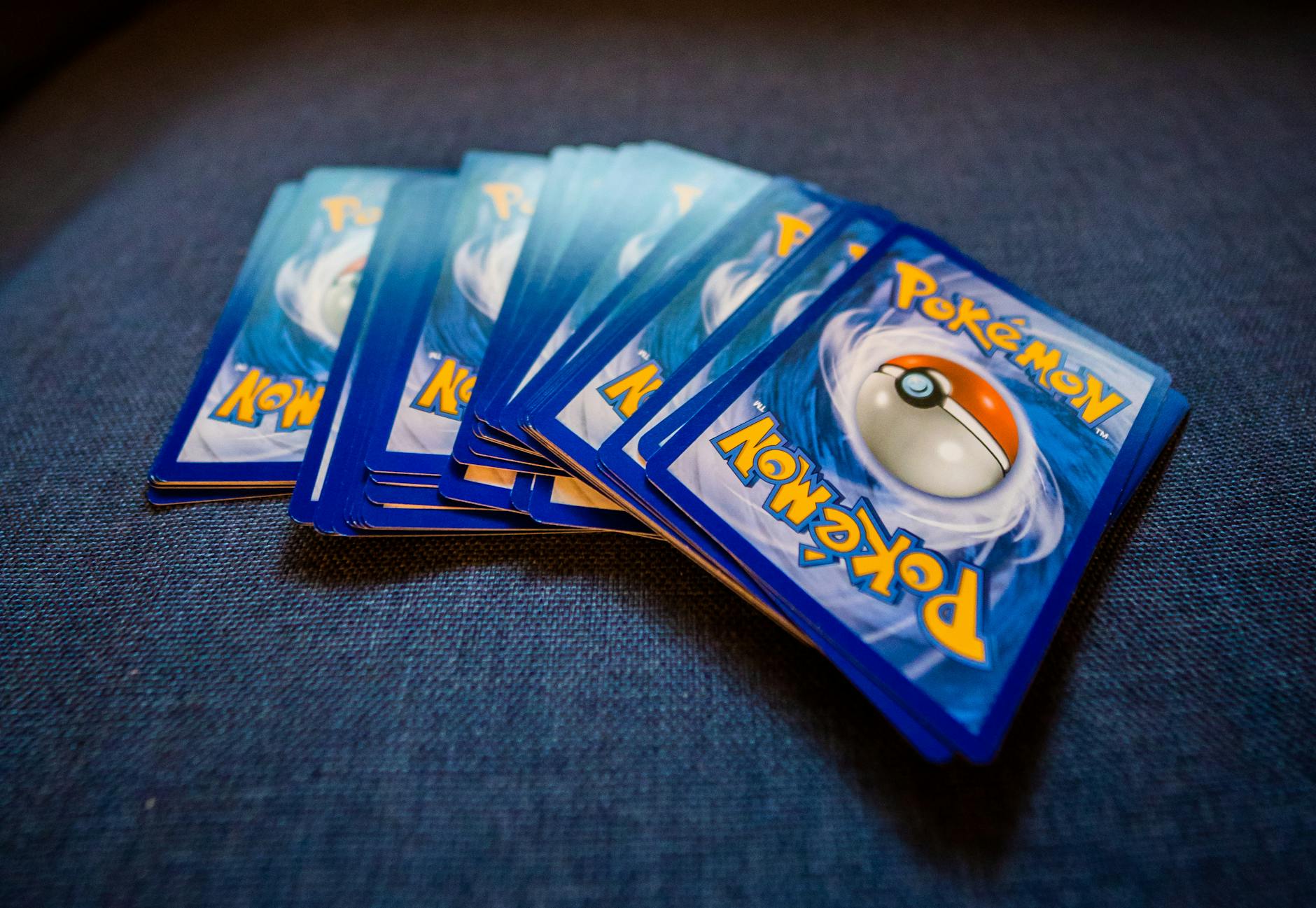
Base Set 2 booster packs have become collectible in their own right, with sealed packs currently selling for $150 to $300 depending on the artwork and condition. Sealed booster boxes, which contain 36 packs, have moved into the $8,000 to $12,000 range.
The pull rate for a holo Charizard from a Base Set 2 pack is roughly 1 in 36 packs, or about one per box on average, though variance means some boxes contain zero and others contain two. The decision to rip a $200 pack for a roughly 3 percent chance at a $300 to $600 raw Charizard is generally a losing proposition from a pure value standpoint, but the experience of opening vintage Pokemon packs holds an appeal that transcends strict financial math.
The Long-Term Outlook for Base Set 2 Charizard
Base Set 2 has been gaining recognition as a legitimate collectible set rather than a throwaway reprint product. Over the past five years, prices across all Base Set 2 holos have trended upward, and collector sentiment has shifted from dismissal to appreciation. Part of this is generational.
The kids who started with Base Set 2 are now in their thirties with disposable income, and they are buying back the cards they remember. Part of it is simple scarcity, fewer Base Set 2 products were saved in sealed condition compared to the original Base Set, and high-grade examples are genuinely uncommon. The card is unlikely to ever rival the original Base Set Charizard in cultural status or price, but it does not need to. It occupies a useful niche as an affordable entry point into vintage Charizard collecting, and as the supply of high-grade copies continues to tighten while demand grows from a maturing collector base, there is a reasonable case that current prices represent fair value or even a discount relative to where the card could settle over the next decade.
Conclusion
The Base Set 2 Charizard is a card that rewards collectors who do their homework. It offers the same iconic artwork as the original at a fraction of the price, but understanding the nuances of identification, grading, and market dynamics is essential to making smart buying decisions. Whether you are filling a gap in a Charizard master set, chasing the nostalgia of your first Pokemon pack, or looking for a vintage holo that has not yet been priced beyond reach, the 4/130 Charizard delivers on all fronts.
Know what you are buying, verify condition carefully, and understand that the grading tier you target will dramatically affect both cost and long-term value retention. For most collectors, a clean PSA 8 or 9 represents the best balance between presentation quality and affordability. If you are holding out for a PSA 10, be prepared to pay a premium and be patient waiting for the right copy to surface at the right price.
Frequently Asked Questions
Is Base Set 2 Charizard worth anything?
Yes. Raw copies in played condition start around $100 to $175, and prices climb significantly with condition. A PSA 10 can sell for $4,000 or more. It is not as valuable as the original Base Set version, but it is far from worthless.
How can I tell if my Charizard is Base Set or Base Set 2?
Check for the set symbol, a Pokeball with a “2” next to it, located on the right side of the card illustration. Also check the numbering: Base Set is 4/102 and Base Set 2 is 4/130. The copyright line on Base Set 2 reads “1999-2000” instead of just “1999.”
Is Base Set 2 Charizard rarer than the original?
Overall print numbers for Base Set 2 were lower than Base Set Unlimited, but “rarer” depends on context. In terms of PSA 10 population, Base Set 2 actually has fewer gem mint copies on record, making top-grade examples relatively scarce.
Should I get my Base Set 2 Charizard graded?
Only if you believe it will grade at a PSA 8 or higher. Below that threshold, the grading fee and wait time are difficult to justify given the modest price premium a low-grade slab commands over a raw card.
Will Base Set 2 Charizard go up in value?
No one can guarantee future prices, but the trend over the past five years has been upward. Limited supply of high-grade copies and growing demand from millennial collectors support continued price stability at minimum. Market cycles will cause fluctuations, but the long-term trajectory has been positive.


