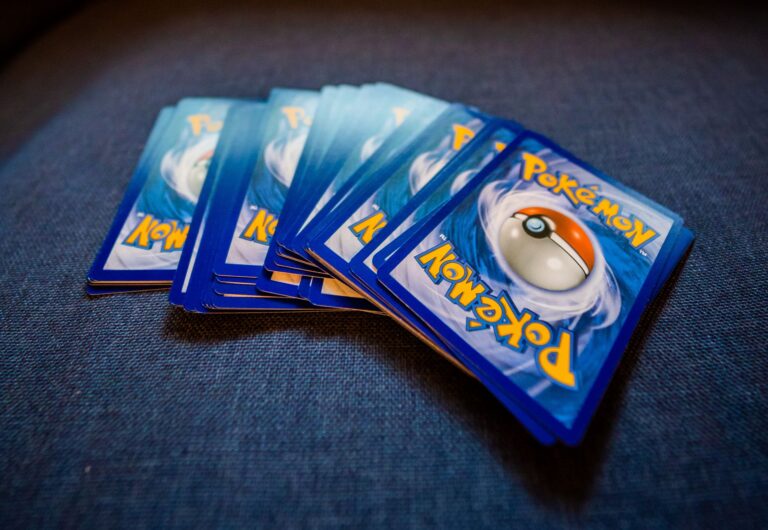
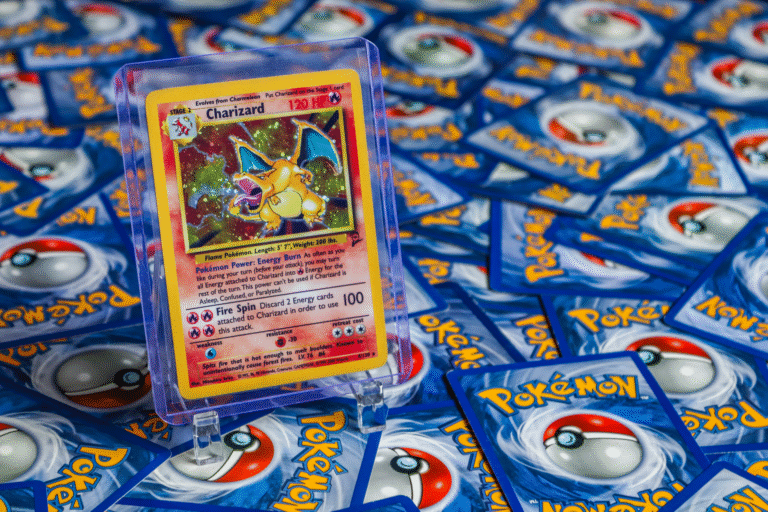
Magmar evolves through a three-stage evolutionary line: Magby evolves into Magmar at level 30, and Magmar then evolves into Magmortar when traded while holding a Magmarizer item. All three Pokemon in this line are pure Fire-types, with Magby sitting at National Pokedex #240, Magmar at #126, and Magmortar at #467. For example, if you catch a wild Magby in Pokemon Brilliant Diamond at level 25, you would need to train it through five more levels to trigger its evolution into Magmar, then obtain a Magmarizer and find a trading partner to complete its evolution into Magmortar.
This evolutionary chain represents an interesting case study in how the Pokemon franchise has expanded over time. While Magmar was a standalone Pokemon throughout Generation I and remained that way for years, Game Freak eventually added both a pre-evolution (Magby in Generation II) and a final evolution (Magmortar in Generation IV). This article covers the specific evolution methods across different games, the history behind Magmar’s evolving family tree, what collectors should know about cards featuring each evolutionary stage, and practical tips for completing this evolution line in various Pokemon titles.
Table of Contents
- How Does Magmar Evolve in the Main Pokemon Games?
- The History of Magmar’s Evolutionary Family
- Evolution Method Variations Across Different Pokemon Games
- What Pokemon Card Collectors Should Know About the Magmar Line
- Competitive Considerations and the Evolution Choice
- Obtaining the Magmarizer in Modern Pokemon Games
- The Future of Magmar’s Evolutionary Line
- Conclusion
How Does Magmar Evolve in the Main Pokemon Games?
The evolution mechanics for Magmar’s line have remained largely consistent since Magmortar’s introduction in Pokemon Diamond and Pearl in 2006. Magby evolves into Magmar through the straightforward method of reaching level 30, which works identically across all main series games where the Pokemon appears. This level-based evolution requires no special items, locations, or conditions beyond simply gaining enough experience points. Magmar’s evolution into Magmortar, however, uses the trade evolution mechanic that has been a series staple since Generation I. You must have Magmar hold a Magmarizer item and then trade it to another player’s game.
Upon arrival in the new game, Magmar immediately evolves into Magmortar. The Magmarizer is a relatively rare item in most games, often found in late-game areas or as rewards for specific activities. In Pokemon Scarlet and Violet, for instance, you can purchase a Magmarizer for 250 BP at the League Club store, giving players a reliable way to obtain this evolution item. One practical consideration: unlike evolution stones that you use directly on a Pokemon, the Magmarizer requires coordination with another player. Solo players historically needed either a second console and game or a willing trading partner to complete this evolution. This has made Magmortar somewhat less common in casual playthroughs compared to Pokemon with simpler evolution methods.
The History of Magmar’s Evolutionary Family
Magmar debuted in Pokemon Red and Blue in 1996 as a fully evolved, standalone Fire-type Pokemon. For the first generation of games, Magmar had no evolutionary relatives and existed as a single-stage Pokemon, similar to how Electabuzz existed in parallel as a single-stage Electric-type. This changed with Pokemon Gold and Silver in 1999, which introduced Magby as a baby Pokemon that evolved into Magmar. Generation IV brought the most significant change to Magmar’s family with the introduction of Magmortar in Pokemon Diamond and Pearl.
This addition gave Magmar a final evolutionary form for the first time, matching the parallel treatment given to Electabuzz, which gained Electivire in the same generation. The design philosophy behind these additions seemed focused on giving beloved Generation I Pokemon new relevance in competitive play and creating symmetry between the Fire and Electric lines that had long been considered counterparts. The addition of Magmortar also introduced the Magmarizer item specifically for this evolution, creating another parallel with Electabuzz’s Electirizer. This symmetry extends to their evolutionary methods, both requiring trade evolution with a held item, and even their availability in certain games, where one line might be version-exclusive while the other appears in the companion version.
Evolution Method Variations Across Different Pokemon Games
While the core evolution mechanics remain consistent, several Pokemon games have introduced alternative methods for evolving Magmar that collectors and players should understand. Pokemon Legends: Arceus notably removed the trading requirement entirely, allowing players to use the Magmarizer directly on Magmar without needing another player. This marked a significant quality-of-life improvement for solo players who previously had no way to obtain Magmortar without trading. Pokemon GO uses an entirely different system, requiring 100 Magmar Candy plus a Sinnoh Stone to evolve Magmar into Magmortar. The Sinnoh Stone is a special evolution item in Pokemon GO that works for multiple Generation IV evolutions, and obtaining one requires completing research tasks, winning PvP battles, or other specific activities.
This mobile game approach eliminates the trading requirement but introduces its own resource-gathering challenge. However, not all games include Magmortar at all. Pokemon Let’s Go pikachu and Let’s Go Eevee, despite being remakes that include Magmar, do not feature Magmortar in their Pokedex. Players of those titles can evolve Magby into Magmar but cannot progress further. This limitation reflects those games’ focus on the original 151 Pokemon plus Meltan and Melmetal, excluding later-generation evolutions even for Pokemon that existed in Generation I.
What Pokemon Card Collectors Should Know About the Magmar Line
For collectors, the Magmar evolutionary line spans multiple decades of Pokemon TCG releases, with cards featuring all three Pokemon appearing across numerous sets. Magmar cards from the Base Set era hold nostalgic value as original releases, while newer Magmortar cards reflect the expanded evolutionary line. The different evolutionary stages often have distinct collector appeal, with Magmar benefiting from Generation I nostalgia and Magmortar attracting fans of more powerful evolved forms. Card rarity and value across this line varies significantly based on the specific release. A holographic Magmar from the Fossil set carries different collector interest than a modern Magmortar V or VMAX card.
Baby Pokemon like Magby often appear at lower rarities in sets, making them more accessible but also less sought-after for high-end collections. The trade-off for collectors is between pursuing affordable complete evolutionary sets versus focusing on specific high-value chase cards. When evaluating Magmar-line cards for a collection, consider how the evolutionary relationship affects deck-building in the TCG. Evolution cards require their pre-evolved forms to be played first in most formats, meaning a Magmortar deck needs Magmar cards as well. This gameplay requirement can influence demand for lower-stage cards that might otherwise see less collector interest.
Competitive Considerations and the Evolution Choice
In competitive Pokemon games, the decision of when and whether to evolve through Magmar’s line involves strategic trade-offs. Magmortar generally offers superior base stats compared to Magmar, making it the preferred choice for most serious competitive applications. However, the requirement to trade while holding a Magmarizer creates a barrier that casual players may not overcome, leading some to simply use Magmar in their playthroughs. The Eviolite item, introduced in Generation V, added a new dimension to this decision.
Eviolite boosts the Defense and Special Defense of Pokemon that can still evolve, meaning an unevolved Magmar holding Eviolite gains defensive bulk that partially compensates for its lower base stats compared to Magmortar. While this rarely makes Magmar competitively superior to Magmortar in standard play, it does create edge cases where keeping Magmar unevolved might serve specific team strategies. One limitation worth noting: the trade evolution requirement has historically created complications for competitive players who want Magmortar with specific natures, abilities, or individual values. Trading the Pokemon means temporarily losing control of it, and while trusted trading partners solve this issue, the extra step adds friction compared to Pokemon that evolve through simpler methods.
Obtaining the Magmarizer in Modern Pokemon Games
The Magmarizer’s availability varies significantly across games, which directly impacts how easily players can complete Magmar’s evolution. In Pokemon Scarlet and Violet, the item can be purchased for 250 BP at the League Club store, making it reliably obtainable for players willing to accumulate Battle Points through competitive activities. Earlier games often made the Magmarizer harder to find, sometimes requiring specific post-game exploration or luck-based item acquisition.
In Pokemon Brilliant Diamond and Shining Pearl, Magmarizers can be found held by wild Magby in the Grand Underground, though the encounter and held item rates make this an inconsistent farming method. Some players spend hours hunting for this item, while others get lucky quickly. Understanding where and how to obtain the Magmarizer in your specific game version saves considerable time and frustration.
The Future of Magmar’s Evolutionary Line
Game Freak has shown willingness to add new evolutions to existing Pokemon families across generations, though adding a fourth stage to an already three-stage line would be unprecedented. More likely developments might include regional variants of Magby, Magmar, or Magmortar that offer different typings or abilities while maintaining the core evolutionary structure.
Games like Pokemon Legends: Arceus have already demonstrated alternative evolution methods that could become more common, potentially making trade evolutions like Magmortar’s more accessible in future titles. For collectors and players alike, the Magmar line represents a complete evolutionary journey that spans multiple Pokemon generations and showcases how the franchise develops its creatures over time. Whether you are hunting for vintage Magmar cards, completing your Pokedex, or building a competitive team around Magmortar, understanding this evolution line’s history and mechanics provides valuable context for engaging with these Fire-type Pokemon.
Conclusion
Magmar’s evolution follows a well-established pattern: Magby reaches level 30 to become Magmar, and Magmar trades while holding a Magmarizer to become Magmortar. This three-stage line developed across multiple Pokemon generations, with Magmar starting as a standalone Pokemon in 1996 before gaining both a pre-evolution and final evolution in subsequent releases.
The evolution methods vary by game, with Pokemon Legends: Arceus removing the trade requirement and Pokemon GO using candy plus a Sinnoh Stone instead. For Pokemon TCG collectors, cards from all three evolutionary stages offer different appeals and values, with older Magmar cards carrying Generation I nostalgia and newer Magmortar releases showcasing the expanded family. Whether you are a player trying to complete your Pokedex, a collector pursuing Magmar-line cards, or a competitive battler evaluating Magmortar’s viability, the information above should help you navigate this Fire-type family’s evolution requirements and history.