Scyther evolves into one of two different Pokémon depending on which evolution item you use: Scizor (Bug/Steel) when using a Metal Coat, or Kleavor (Bug/Rock) when using a Black Augurite. This branching evolution path makes Scyther one of the relatively few Pokémon with multiple final forms, giving collectors and players a meaningful choice about which direction to take their mantis-like creature. For example, if you have a Scyther in Pokémon Legends: Arceus, you can use a Metal Coat from your inventory to evolve it into the red, armored Scizor, or apply a Black Augurite to transform it into the stone-bladed Kleavor instead.
The dual evolution options arrived decades apart. Scizor first appeared as Scyther’s evolution in Generation II with Pokémon Gold and Silver back in 1999, while Kleavor wasn’t introduced until Pokémon Legends: Arceus released in 2022. This 23-year gap means longtime players grew up knowing only the Scizor path, and the addition of Kleavor represented a genuine surprise for the franchise. This article covers the specific mechanics for evolving Scyther across different games, the type changes that occur with each evolution, notable restrictions that can prevent evolution in certain titles, and practical considerations for collectors interested in cards featuring these Pokémon.
Table of Contents
- How Does Scyther Evolve in the Main Series Games?
- Understanding Scyther’s Type Changes Upon Evolution
- Evolving Scyther in Pokémon GO
- Black Augurite and Kleavor Availability Across Games
- Restrictions and Roadblocks to Scyther Evolution
- Card Collecting Considerations for the Scyther Family
- Future Outlook for Scyther’s Evolution Line
- Conclusion
How Does Scyther Evolve in the Main Series Games?
The traditional method for evolving Scyther into Scizor requires trading while the Pokémon holds a Metal Coat item. This trade evolution mechanic has been standard across most mainline Pokémon titles since Generation II. The requirement creates a barrier for solo players who don’t have access to trading partners or a second system, which frustrated many collectors throughout the years. If you’re playing Pokémon HeartGold, for instance, you need to attach a Metal Coat to your Scyther, then trade it to another player’s game, at which point it evolves and must be traded back. Pokémon Legends: Arceus broke from this tradition by allowing direct evolution without trading.
In that game, you simply use a Metal Coat directly on Scyther from your inventory, similar to how evolution stones work. This quality-of-life change was welcomed by players who had struggled with the trade requirement for over two decades. The same game introduced Kleavor, which evolves from Scyther when you use a Black Augurite instead. However, if you’re playing certain older titles, evolution may not be possible at all. Scyther cannot evolve into Scizor in Pokémon FireRed and LeafGreen until after you obtain the National Pokédex. Additionally, Scyther cannot evolve in Pokémon Let’s Go, Pikachu! or Let’s Go, Eevee! because Scizor simply isn’t programmed into those games.

Understanding Scyther’s Type Changes Upon Evolution
When Scyther evolves, its Flying type gets replaced while Bug remains constant. Evolving into Scizor swaps Flying for Steel, creating a Bug/Steel combination that dramatically changes the Pokémon’s resistances and weaknesses. Evolving into Kleavor swaps Flying for Rock, resulting in Bug/Rock typing. Neither evolution retains the original Flying type, which affects both competitive viability and thematic design. The shift from Bug/Flying to Bug/Steel with Scizor is particularly significant for battling.
Scizor gains resistances to Normal, Grass, Ice, Psychic, Bug, Dragon, Steel, and Fairy types, plus immunity to Poison. The tradeoff is a severe 4x weakness to Fire, making Scizor extremely vulnerable to any Fire-type attack. This single crushing weakness has defined Scizor’s competitive presence since its introduction. Kleavor’s Bug/Rock typing creates a different defensive profile with weaknesses to Water, Rock, and Steel. While it doesn’t have the dramatic 4x Fire weakness that Scizor carries, it also lacks the extensive resistance list. For collectors evaluating cards, these type differences matter because they affect which decks these Pokémon fit into and how valuable certain cards become in competitive play formats.
Evolving Scyther in Pokémon GO
Pokémon GO uses its own evolution system that differs from the main series games. To evolve Scyther into Scizor in GO, you need 50 Scyther candies plus one Metal Coat item. Metal Coats are special evolution items that drop from PokéStops, though they’re relatively rare. Once you have both requirements, the evolution option appears on Scyther’s page in your Pokémon storage. Currently, Scyther cannot evolve into Kleavor in Pokémon GO at all.
Kleavor exists in the mobile game, but only as a raid boss that appears periodically in 3-star raids. This means GO players who want Kleavor must catch it directly during raid events rather than evolving their existing Scyther. Niantic has not announced plans to add the Black Augurite item or Kleavor evolution path to the game. For collectors focused on the Pokémon GO tie-in cards or tracking which Pokémon they’ve evolved in the mobile game, this limitation matters. You cannot complete a Scyther-to-Kleavor evolution chain in GO the way you can in Legends: Arceus, making the two games functionally different in what they offer regarding this Pokémon family.

Black Augurite and Kleavor Availability Across Games
The Black Augurite item that triggers Kleavor evolution has extremely limited availability. In Pokémon Legends: Arceus, you can find Black Augurite through various methods including digging with Ursaluna, defeating wild Graveler, or purchasing from the Trading Post. The item functions like a standard evolution stone once obtained, making Kleavor evolution straightforward in that title. However, Pokémon Scarlet and Violet do not include the Black Augurite at all, which means you cannot evolve Scyther into Kleavor in those games.
If you want Kleavor in Scarlet or Violet, your only option is to transfer one from Legends: Arceus using Pokémon HOME. This creates a situation where owning Legends: Arceus becomes almost mandatory for players who want access to Kleavor in their modern collection. Comparing the two evolution paths, Scizor remains far more accessible across the franchise. You can obtain Scizor in most mainline games through trading with a Metal Coat, and Metal Coats appear in numerous titles. Kleavor’s restricted availability makes it somewhat rarer and potentially more desirable to certain collectors, though its competitive presence remains limited by the games where it actually appears.
Restrictions and Roadblocks to Scyther Evolution
Several games impose restrictions that prevent Scyther from evolving even when you have the necessary items. The most notable historical restriction appears in Pokémon FireRed and LeafGreen, where Scyther cannot evolve into Scizor until you complete enough of the game to unlock the National Pokédex. This means players going through the main story with Scyther on their team cannot access Scizor until postgame content. Pokémon Let’s Go, Pikachu! and Let’s Go, Eevee! take an even more severe approach by excluding Scizor entirely from the game’s code.
Even if you have a Scyther with a Metal Coat and access to trading, evolution simply won’t trigger because the game doesn’t recognize Scizor as a valid Pokémon. This caught some players off guard who expected full evolution availability. These restrictions matter for collectors interested in game-accurate collections or those tracking evolution availability across different titles. If you’re building a living dex in a specific game, you need to verify that both Scizor and Kleavor actually exist in that game’s data before committing to the project. Not all Scyther cards or promotional materials will be relevant to all games in the franchise.
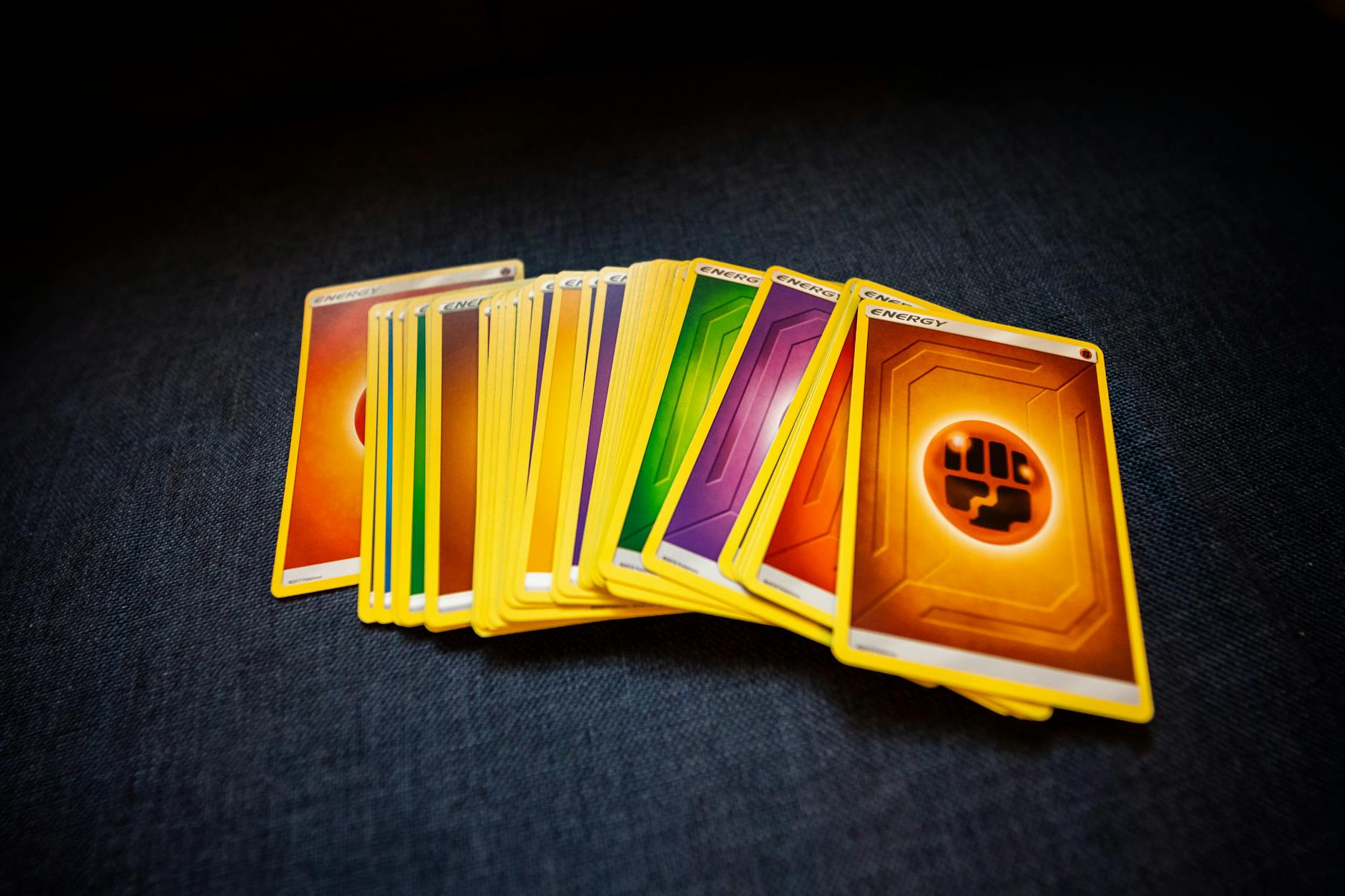
Card Collecting Considerations for the Scyther Family
The Scyther evolution line spans multiple generations of the Pokémon Trading Card Game, with each form appearing on numerous cards. Scyther cards date back to the Base Set era, while Scizor cards began appearing after Gold and Silver’s release. Kleavor cards are much newer, first appearing in sets released after Legends: Arceus in 2022.
This timeline creates different value profiles for collectors. Vintage Scyther and Scizor cards from early sets command premiums based on condition, edition, and artwork. First edition holographic versions from sets like Neo Discovery (which introduced Scizor to the TCG) attract serious collector interest. Kleavor cards, being recent, haven’t developed the same vintage premium yet, though chase cards and alternate art versions can still carry significant value based on pull rates and artwork popularity.
Future Outlook for Scyther’s Evolution Line
The addition of Kleavor in 2022 demonstrated that Game Freak remains willing to expand existing evolution families decades after their introduction. This precedent suggests the Scyther line could potentially receive additional evolutions or regional variants in future games, though nothing has been announced. For collectors, this possibility adds a speculative element to the family’s long-term significance.
The branching evolution also reflects a broader design philosophy in recent Pokémon games toward giving players more choices and customization options. Whether future titles maintain both evolution paths, add new ones, or restrict certain evolutions as Scarlet and Violet did with Kleavor remains to be seen. Collectors tracking this family should monitor announcements about new games to stay informed about availability changes.
Conclusion
Scyther’s evolution into either Scizor or Kleavor depends entirely on which item you use and which game you’re playing. The Metal Coat triggers Scizor evolution across most titles (via trading in most games, or directly in Legends: Arceus), while the Black Augurite produces Kleavor but only in games where that item exists.
Each evolution changes Scyther’s secondary type from Flying to either Steel or Rock, creating meaningfully different Pokémon. For collectors, understanding these mechanics helps contextualize cards from different eras and explains why certain evolutions may not appear in specific games. The 23-year gap between Scizor and Kleavor’s introductions means vintage Scizor cards have decades of history behind them, while Kleavor represents fresh territory with its own collecting potential.