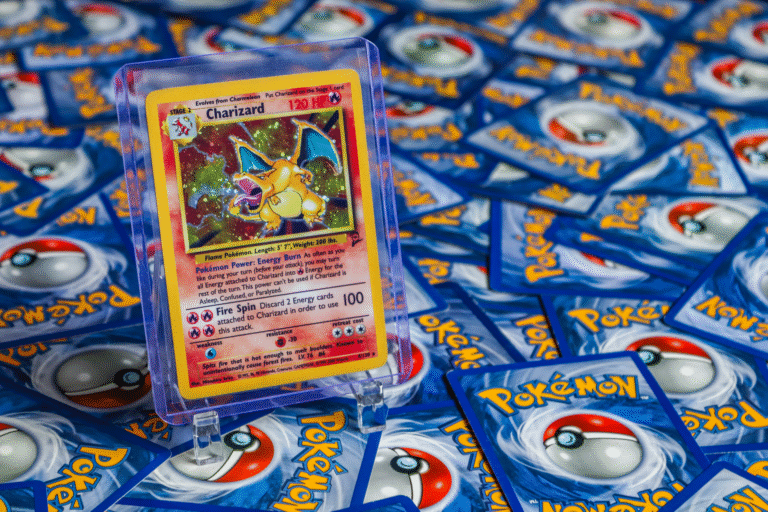
Pichu evolves into Pikachu through high friendship, requiring a friendship value of 220 or higher out of a possible 255. Once that threshold is reached, leveling Pichu up just once triggers the evolution. This makes Pichu one of the Baby Pokemon introduced in Generation II that relies on the friendship mechanic rather than reaching a specific level, setting it apart from most other evolutionary chains in the franchise. For collectors, understanding this evolution line matters because Pichu, Pikachu, and Raichu cards often share thematic sets and promotional releases.
The complete evolutionary family runs Pichu to Pikachu to Raichu, with Pikachu requiring a Thunder Stone to reach its final form. In Alola region games, that same Thunder Stone produces Alolan Raichu instead, an Electric/Psychic dual-type variant. This three-stage Electric-type line remains one of the most recognizable in Pokemon, with Pichu holding National Pokedex number 172 since its debut in Pokemon Gold and Silver in 1999. This article covers the specific mechanics of evolving Pichu, methods to raise friendship efficiently, special variants that break the normal rules, and what this evolution line means for card collectors tracking the Pikachu family across decades of releases.
Table of Contents
- How Does Pichu Evolve Into Pikachu?
- Methods to Raise Pichu’s Friendship Quickly
- The Complete Pichu Evolution Line Explained
- Special Variants and Evolution Exceptions
- Comparing Pichu’s Evolution to Other Baby Pokemon
- Pichu in the Trading Card Game
- The Pikachu Family’s Lasting Appeal for Collectors
- Conclusion
How Does Pichu Evolve Into Pikachu?
Unlike most pokemon that evolve at predetermined levels, Pichu requires building a genuine bond with its trainer. The friendship stat must reach at least 220 before evolution becomes possible, and even then, Pichu needs to gain one more level to trigger the transformation. This mechanic was introduced alongside Baby Pokemon in Generation II, creating a category of pre-evolutions that rewarded patient trainers. The friendship system works on a scale from 0 to 255, with most Pokemon starting at a base friendship of 70 when caught. Pichu begins at this same value, meaning trainers need to earn approximately 150 additional friendship points before evolution becomes available.
For comparison, Pokemon like Golbat and Chansey also evolve through friendship, but Pichu remains the most famous example due to its connection to the franchise mascot. One common mistake is confusing friendship with the affection system found in Pokemon-Amie and Pokemon Refresh. These are entirely separate mechanics. Feeding your Pichu Poke Puffs or petting it in Pokemon-Amie increases affection, which provides battle benefits like surviving fatal hits or shaking off status conditions, but it does nothing for evolution. Only the hidden friendship value matters for turning Pichu into Pikachu.

Methods to Raise Pichu’s Friendship Quickly
Several proven techniques accelerate friendship gains, and combining them produces the fastest results. Walking with Pichu in your party generates passive friendship over time, while leveling up provides direct boosts. Using vitamins like Protein or Iron adds friendship alongside stat improvements, and EV-reducing berries numbered 21 through 26 in the game data offer another avenue for trainers willing to adjust their Pokemon’s effort values. The Soothe Bell item doubles all friendship gains while held, making it essential for any serious evolution attempt. Similarly, catching Pichu in a Luxury Ball doubles friendship accumulation from the start.
Stacking these multipliers with regular activities like walking and battling significantly reduces the time investment. In games featuring massage services, such as the Veilstone City spa in Diamond, Pearl, and Platinum, daily visits provide substantial friendship boosts at no cost. However, friendship can also decrease. Letting Pichu faint in battle reduces friendship, as does using bitter herbal medicines like Revival Herbs or Energy Roots. Trainers focused on quick evolution should avoid these items entirely, even when they seem convenient. One Revival Herb can undo hours of friendship building, turning a near-evolution Pichu back into a distant prospect.
The Complete Pichu Evolution Line Explained
Pichu represents the Baby Pokemon stage of the Electric-type family that culminates in Raichu. As a Baby Pokemon, Pichu cannot breed despite being part of an evolutionary line where pikachu and Raichu can produce eggs. When two compatible Pokemon in this family breed at the Day Care, the resulting egg contains a Pichu, not a Pikachu, provided one parent holds a Light Ball or meets other specific conditions in certain games. The transition from Pikachu to Raichu works completely differently from the friendship-based first evolution.
Pikachu requires exposure to a Thunder Stone, an evolutionary item that triggers instant transformation regardless of level, friendship, or any other stat. This creates an interesting dynamic where the first evolution demands patience and care while the second evolution simply requires finding or purchasing the right item. In games set in the Alola region, using a Thunder Stone on Pikachu produces Alolan Raichu instead of the standard form. This regional variant gains the Psychic type alongside Electric, changing its competitive profile entirely. collectors should note that this distinction carries over to the card game, where Alolan Raichu cards exist as a separate entity from regular Raichu cards, each with different artwork, stats, and market values.

Special Variants and Evolution Exceptions
The Spiky-eared Pichu from Pokemon HeartGold and SoulSilver represents a unique case in the evolution line. This special Pichu, obtainable through an event involving the Ilex Forest shrine, cannot evolve under any circumstances. No amount of friendship will trigger a transformation, making it permanently locked in its Baby Pokemon form. Additionally, this variant cannot be traded to other games or transferred forward through Pokemon Bank, limiting it entirely to its original cartridge. This restriction creates an unusual collectible situation.
While most Pokemon gain value through evolution or competitive viability, Spiky-eared Pichu derives its appeal from scarcity and its status as a one-time event distribution. For card collectors, this serves as a reminder that variant forms often carry premium values precisely because they break normal rules or represent limited availability. Other games have featured special Pichu distributions with unique moves or characteristics, though none share the evolution lock of the Spiky-eared variant. The Pikachu-colored Pichu from a 2010 event, for example, could evolve normally despite its promotional status. Understanding which variants follow standard rules and which break them matters for both game players and collectors tracking the history of this evolutionary family.
Comparing Pichu’s Evolution to Other Baby Pokemon
Pichu shares its friendship-based evolution mechanic with several other Baby Pokemon introduced across generations, but the specific requirements and practical applications vary. Igglybuff, Cleffa, and Togepi all evolve through friendship, yet their final forms serve different competitive and collecting niches. Pichu’s advantage lies entirely in its connection to Pikachu, the most merchandised and recognized Pokemon in existence. The friendship threshold of 220 remains consistent across most friendship evolutions, creating a standardized experience for trainers familiar with the mechanic. However, the ease of reaching that threshold differs by game.
Titles with readily available Soothe Bells and massage NPCs make friendship evolution trivial, while games lacking these features require more grinding. Pichu caught in older games without quality-of-life improvements demanded significantly more effort than modern equivalents. For collectors, this evolution method influences card design and set placement. Baby Pokemon often appear in sets emphasizing nurturing or bonds, with artwork depicting the friendship journey. Pichu cards frequently feature softer, more approachable imagery compared to the action-oriented poses common on evolved Pokemon cards, reflecting the in-game relationship between trainer care and evolutionary progress.
Pichu in the Trading Card Game
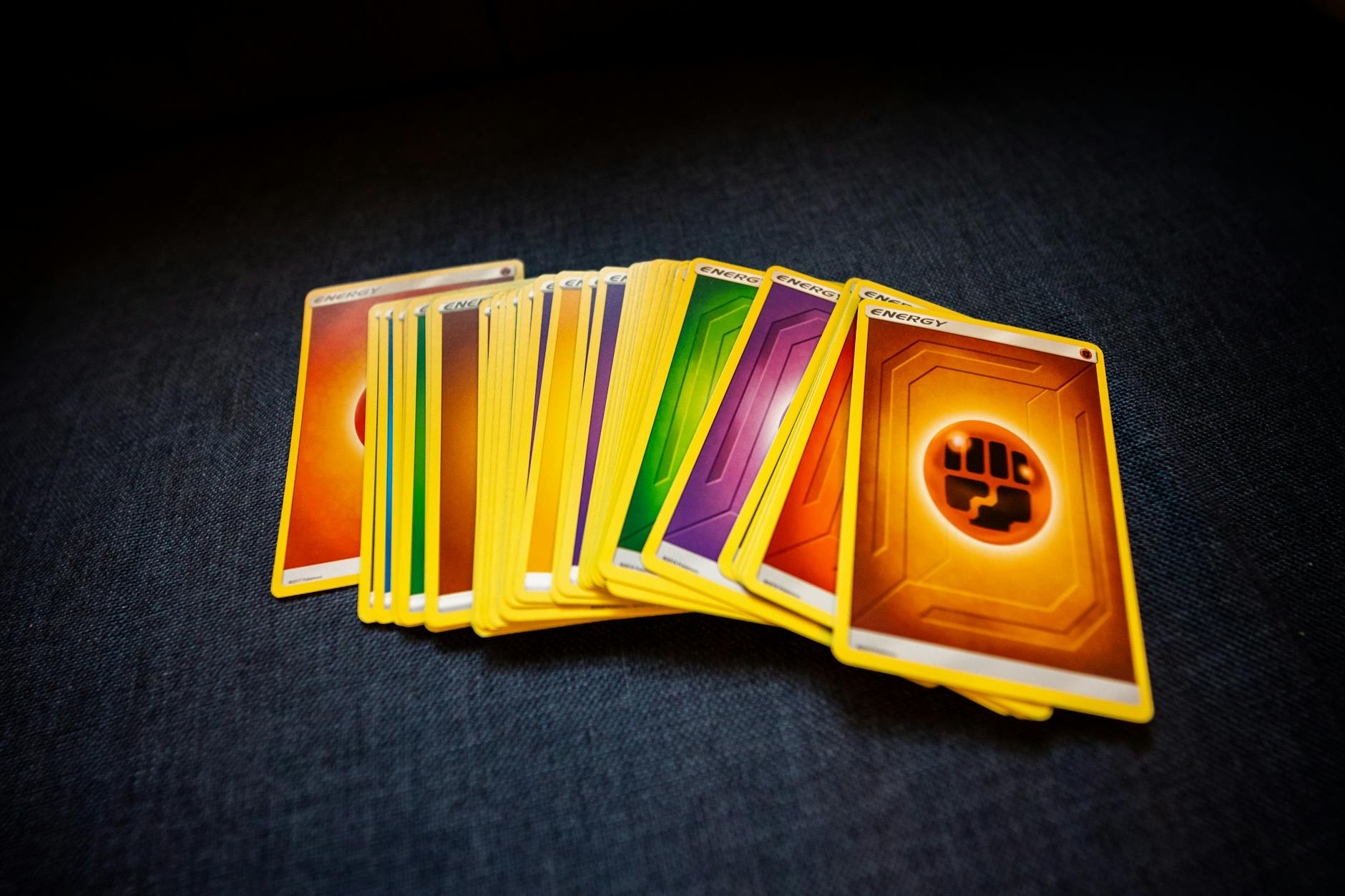
Pichu cards have appeared consistently since the Neo Genesis expansion in 2000, shortly after the Pokemon’s video game debut. Unlike the games where Pichu serves primarily as a stepping stone to Pikachu, TCG Pichu cards often feature unique attacks and abilities that give them standalone value.
The Baby Pokemon rule in early card sets prevented evolved Pokemon from attacking Pichu without a coin flip, creating genuine competitive applications. Notable printings include the Pichu from Neo Genesis with its Zzzap attack, various promotional Pichu cards distributed at events, and modern releases featuring full-art treatments and secret rare variants. Card values fluctuate based on condition, print run, and whether the specific Pichu holds nostalgic significance for collectors who remember pulling it during the original release period.
The Pikachu Family’s Lasting Appeal for Collectors
The Pichu to Pikachu to Raichu evolution line maintains strong collector interest decades after introduction, driven largely by Pikachu’s status as the franchise mascot. Complete evolution line collections, where enthusiasts gather one card of each stage from matching sets, remain popular display pieces. Promotional Pichu cards from Japanese events or early Western distributions command particular attention due to limited availability and historical significance.
Looking forward, each new Pokemon generation and TCG expansion introduces opportunities for fresh Pichu, Pikachu, and Raichu cards with updated artwork and mechanics. The friendship evolution mechanic in the games ensures Pichu remains relevant as more than just a curiosity, while its Baby Pokemon status guarantees continued appearances whenever the TCG revisits that category. For collectors building long-term portfolios around the Pikachu family, Pichu cards represent the foundation of an evolutionary chain that shows no signs of diminishing popularity.
Conclusion
Pichu evolves into Pikachu once its friendship reaches 220 or higher, requiring just one additional level to trigger the transformation. This friendship-based mechanic distinguishes Pichu from level-dependent evolutions and connects the act of evolution to the relationship between trainer and Pokemon.
From there, a Thunder Stone transforms Pikachu into either standard Raichu or Alolan Raichu depending on the game region. For collectors, the Pichu evolution line offers entry points at every price level, from common bulk cards to rare promotional printings worth significant sums. Understanding the evolution mechanics provides context for card designs and set placements while appreciating special cases like the non-evolving Spiky-eared Pichu adds depth to any collection focused on this iconic Electric-type family.