
Yes, Pokémon TCG 151 will almost certainly be remembered as the set that brought a generation of lapsed collectors back into the hobby. Released in September 2023 in English markets, the set achieved something that years of modern Pokémon releases hadn’t managed”it gave adults who grew up with the original 151 Pokémon a compelling reason to walk into a card shop again. The numbers support this: 151 became one of the best-selling Pokémon sets of the modern era, with booster boxes selling out at major retailers within hours of restocks throughout late 2023 and early 2024.
One collector I spoke with at a local card show summed it up: “I hadn’t bought a Pokémon pack since 1999. I bought a case of 151.” The set’s design philosophy directly targeted nostalgic adults rather than competitive players or children. Every card featured one of the original Kanto Pokémon, the artwork leaned heavily into classic aesthetics, and chase cards like the Illustration Rare Charizard deliberately echoed the look and feel of vintage Base Set artwork. This article examines why 151 succeeded where other nostalgia-focused sets fell short, what the long-term collecting implications might be, and whether this wave of returning adults will stick around or fade back out of the hobby.
Table of Contents
- Why Did 151 Resonate With Adults Who Left the Hobby?
- What Made the 151 Card Designs Different From Other Modern Sets?
- How Has the Secondary Market Treated 151?
- Should Returning Collectors Focus on Singles or Sealed Product?
- What Are the Risks of the 151 Hype Fading?
- How Does Japanese 151 Compare to the English Release?
- What Comes Next for Nostalgic Pokémon Sets?
- Conclusion
Why Did 151 Resonate With Adults Who Left the Hobby?
The answer lies in specificity. Previous Pokémon sets occasionally included Kanto Pokémon, but they were always mixed with newer generations that held no emotional weight for adults who stopped playing after the original run. Set 151 made a deliberate choice to exclude everything except the original roster”no Pichu, no Lucario, no Greninja. For collectors whose knowledge of Pokémon ended around 2001, this meant every single card in the set was recognizable and meaningful. The timing also mattered. Many collectors who were 8-12 years old during the original Pokémon craze of 1999 are now in their mid-30s, often with disposable income and a renewed interest in hobbies from their childhood.
The COVID-era Pokémon boom of 2020-2021 planted seeds by making vintage cards culturally relevant again, but the actual vintage market remained prohibitively expensive for casual re-entry. A PSA 9 base set Charizard costs thousands of dollars. A 151 booster box cost $140 at retail. The set offered an accessible on-ramp. Compared to Evolutions (2016), which also attempted to capture Base Set nostalgia, 151 succeeded because it didn’t try to be a direct reprint. Evolutions suffered from feeling like a cheap imitation”same artwork, worse print quality, no new creative vision. Set 151 offered fresh interpretations of classic Pokémon through the Illustration Rare and Special Illustration Rare treatments, giving collectors something genuinely new while still honoring the source material.
What Made the 151 Card Designs Different From Other Modern Sets?
The art direction for 151 represented a conscious departure from the hyper-detailed, digitally rendered style that dominated recent Pokémon releases. Many of the Illustration Rare cards featured softer, more painterly aesthetics that recalled the watercolor feel of original Ken Sugimori artwork. The Alakazam and Gengar Illustration Rares in particular drew praise for looking like they could have existed in 1999, just with better printing technology. However, this design philosophy had limitations. Not every card in the set received the same level of artistic attention”the standard holofoil rares used fairly conventional modern templates, and some collectors felt the non-chase cards were filler.
If you’re buying 151 expecting every pack to deliver that nostalgic feeling, you’ll find that the bulk of the set looks much like any other contemporary Pokémon release. The magic concentrates in the top 15-20 cards. The reverse holofoil pattern also generated mixed reactions. The Pokéball-embossed holofoil pattern across common and uncommon cards felt gimmicky to some and charming to others. It’s worth noting that this pattern makes the cards instantly identifiable as 151, which may help or hurt long-term collectibility depending on whether the set ages well visually.
How Has the Secondary Market Treated 151?
Secondary market performance for 151 followed a familiar boom-and-correction pattern, but with an unusually stable floor compared to most modern sets. Sealed booster boxes peaked around $220-250 shortly after release when supply constraints hit hardest, then settled into a $160-180 range as The Pokémon Company continued print runs. Unlike some limited sets, 151 received extended production, which prevented the extreme price spikes seen with Japanese-exclusive products. Individual chase cards tell a more nuanced story.
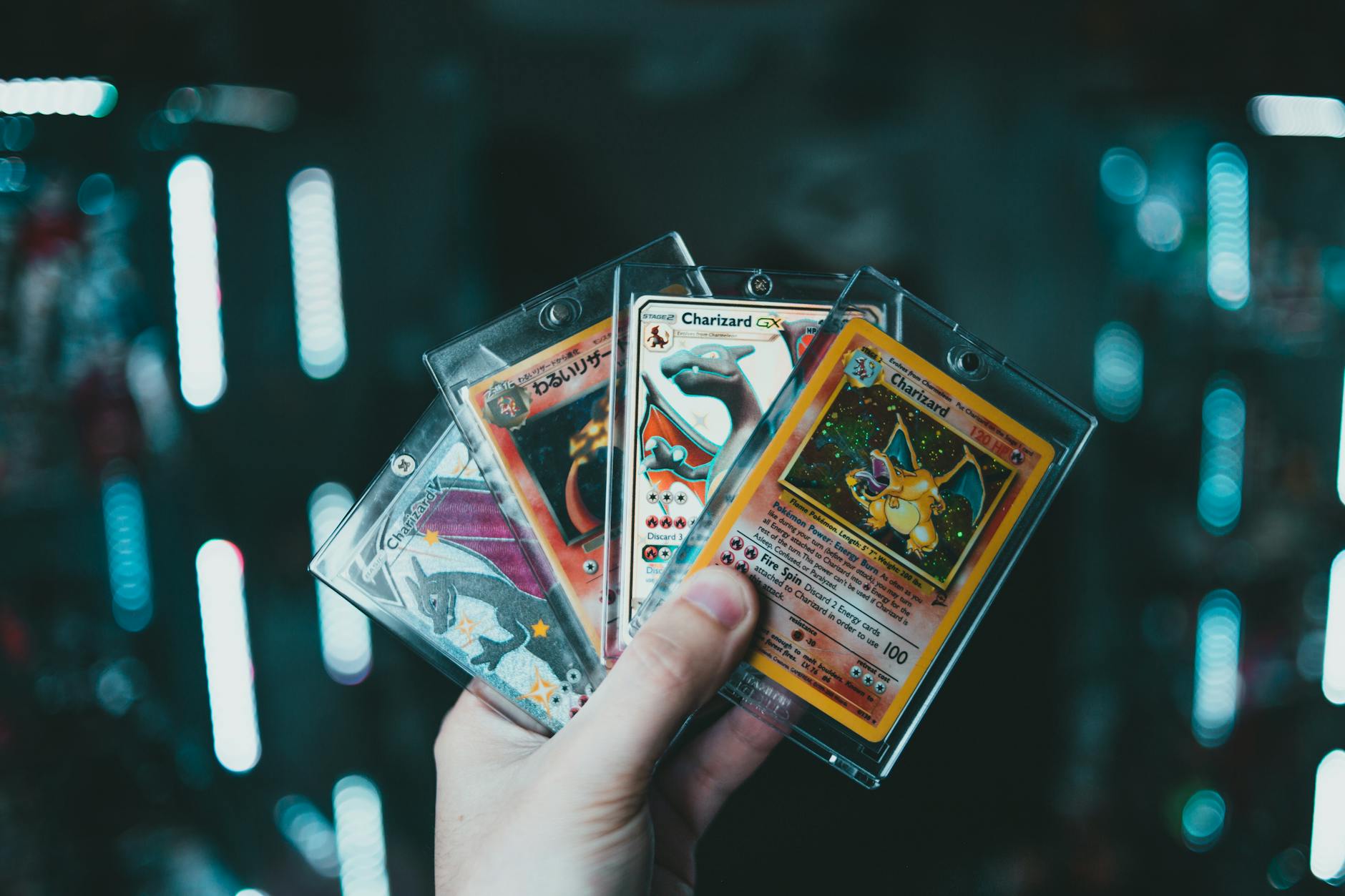
The Special Illustration Rare Charizard”the set’s flagship card”initially traded at $250-300 in raw condition before settling around $150-180. The Mew ex Special Illustration Rare followed a similar trajectory. These prices remain significantly higher than comparable chase cards from sets like Obsidian Flames or Paldea Evolved, suggesting that 151’s nostalgic appeal translates into tangible market premium. For context, a raw Special Illustration Rare Charizard from 151 currently trades at roughly the same price as a raw Giratina V Alternate Art from Lost Origin, despite Lost Origin being older and having a more established competitive playerbase. This comparison highlights that 151’s value proposition is collector-driven rather than player-driven”a distinction that matters for long-term price stability.

Should Returning Collectors Focus on Singles or Sealed Product?
This depends entirely on your goals, and getting it wrong can cost significant money. If you want specific cards for a personal collection, buying singles is almost always more economical. The math is straightforward: a 151 booster box contains 20 packs. Pull rates for Special Illustration Rares average roughly 1 per 2-3 boxes. Spending $320-480 hoping to pull a $150 card makes no financial sense unless you also value the experience of opening packs. Sealed product makes sense under different circumstances.
If you believe 151 will appreciate as a collector’s item over time, sealed booster boxes offer exposure to that potential upside. Historical precedent supports this to some extent”sealed Base Set booster boxes are now worth tens of thousands of dollars. However, the critical caveat is that modern print runs vastly exceed vintage production. There are simply far more sealed 151 boxes in existence than sealed 1999 product ever was. The middle-ground approach many returning collectors take involves buying one or two booster boxes for the opening experience, then completing their collection through singles purchases. This balances nostalgia with financial pragmatism. Avoid the trap of chasing specific cards through sealed product”that path leads to boxes of duplicate commons and disappointment.
What Are the Risks of the 151 Hype Fading?
The primary risk is that 151 represents a spike of returning interest rather than sustained engagement. Adult collectors who came back for this set may not stick around for Scarlet & Violet releases featuring Pokémon they don’t recognize. If the returning collector base treats 151 as a one-time nostalgia purchase rather than a re-entry into ongoing collecting, demand could soften substantially once the initial excitement fades. There’s already evidence of this pattern emerging. Several local card shops have reported that 151 brought in customers they hadn’t seen in years, but those same customers showed little interest in subsequent releases like Paradox Rift or Temporal Forces.
The warning here is straightforward: don’t assume 151’s market performance predicts how other modern sets will perform. Its appeal is unique and not transferable. Print run duration creates additional uncertainty. The Pokémon Company hasn’t officially confirmed when 151 production will end. Extended printing could suppress sealed product values, while early cutoffs would support appreciation. Collectors betting on sealed product appreciation are essentially gambling on a production decision they cannot predict or control.
How Does Japanese 151 Compare to the English Release?
Japanese Pokémon 151 released several months before the English version and included some products that never received English equivalents. The Japanese version offered special Pokémon Center exclusive sets, promotional cards, and packaging variants that carry premiums in the collector market. For completionists, this creates additional complexity and expense.
However, for most returning Western collectors, the English release provides the relevant nostalgic experience. The cards feature English text matching childhood memories, and the accessibility is simply better”Japanese products require importing and navigating a less familiar marketplace. The exception would be collectors specifically interested in card stock quality, as Japanese Pokémon cards use different cardboard that some consider superior for grading purposes.
What Comes Next for Nostalgic Pokémon Sets?
The Pokémon Company has taken notice of 151’s success, and future Kanto-focused products are likely. Speculation around a potential “Johto 251” set has circulated in collector communities, though nothing has been officially announced as of early 2024. Such a set would target the slightly younger demographic that entered Pokémon through Gold and Silver, potentially triggering another wave of returning collectors.
The broader trend suggests that nostalgia-driven sets will remain part of the Pokémon TCG strategy, but their effectiveness depends on execution. 151 worked because it committed fully to its concept. Half-measures or overly commercial approaches to future nostalgia sets could underperform by failing to generate the same emotional response. Collectors should watch future announcements with measured optimism rather than automatic enthusiasm.
Conclusion
Pokémon TCG 151 will be remembered as a watershed moment for adult collectors, not because it was the first set to attempt nostalgia, but because it was the first to execute it correctly in the modern era. By focusing exclusively on the original 151 Pokémon with fresh artwork that honored classic aesthetics, the set gave adults permission to engage with a hobby many had written off as a childhood phase.
Whether this translates to long-term collectibility depends on factors still playing out”print run totals, the staying power of returning collectors, and how future nostalgic releases perform. For collectors who came back to Pokémon through 151, the practical advice is simple: enjoy what the set represents, but approach it with the same caution you’d apply to any collectible market. Buy what you genuinely want to own, be skeptical of investment narratives, and recognize that the emotional value of reconnecting with a childhood hobby may ultimately matter more than any future price appreciation.
You Might Also Like
- Will 151 make more people want to complete base set
- Will 151 become the defining set for returning Millennial collectors
- Will the hobby grow if kids lose interest but parents stay addicted