The short answer is no””Pokemon 151 has not meaningfully reduced demand for vintage WOTC (Wizards of the Coast) cards, despite offering modern reprints of the original 151 Pokemon at a fraction of the cost. While 151 provides accessible nostalgia for casual collectors and newer players, the collector base pursuing vintage Base Set, Jungle, and Fossil cards operates on entirely different motivations. The WOTC market is driven by authenticity, age, condition scarcity, and the irreplaceable nature of cards printed between 1999 and 2003″”qualities that no modern reprint can replicate.
Consider the 1st Edition Base Set Charizard: even as Pokemon 151 released its own Charizard cards at modern retail prices, high-grade vintage Charizards continued commanding six-figure sums at auction. Collectors paying premium prices for WOTC cards aren’t simply seeking artwork of Gen 1 Pokemon””they’re purchasing pieces of Pokemon history with inherent scarcity that increases over time. Pokemon 151 and WOTC cards serve fundamentally different markets, and this article will explore why the vintage market remains insulated, where crossover effects might exist, and what collectors should understand about both product lines. This analysis will examine the psychological and economic factors separating these markets, situations where 151 might satisfy certain collector needs, the role of grading in maintaining WOTC premiums, and practical considerations for collectors deciding where to allocate their budgets.
Table of Contents
- Why Doesn’t a Cheaper Gen 1 Reprint Satisfy WOTC Collectors?
- Who Actually Buys Pokemon 151 Versus Vintage WOTC?
- How Grading and Condition Scarcity Protect WOTC Values
- Should Budget Collectors Choose 151 Over Vintage?
- What Misconceptions Drive the “Replacement” Narrative?
- The Role of Nostalgia in Both Markets
- Looking Ahead: Will Future Reprints Affect WOTC?
- Conclusion
Why Doesn’t a Cheaper Gen 1 Reprint Satisfy WOTC Collectors?
The fundamental misunderstanding behind this question lies in assuming WOTC collectors primarily want gen 1 Pokemon imagery. In reality, the vintage market is built on scarcity, provenance, and historical significance””none of which modern reprints can provide. A 1999 Base Set Pikachu carries weight because it was printed during Pokemon’s explosive debut, handled by children who are now adults with disposable income, and exists in finite quantities that decrease annually as cards are lost, damaged, or permanently entombed in collections. Pokemon 151, released in 2023, was printed in massive quantities to meet modern demand. Even “chase” cards from the set are readily available compared to their WOTC counterparts.
The print runs of contemporary Pokemon sets dwarf anything from the late 1990s, meaning 151 cards will never achieve the same per-card scarcity. Additionally, WOTC cards carry the Wizards of the Coast branding itself””a licensing arrangement that ended in 2003 when The Pokemon Company took over production. This era-specific detail matters enormously to collectors who value the cards as artifacts of a particular moment in gaming history. Comparatively, consider how sports card reprints function. Topps has released numerous heritage and throwback sets featuring classic designs, yet vintage Mickey Mantle or Michael Jordan rookie cards maintain their value independently. The reprint market and vintage market coexist without cannibalizing each other because they serve different collector psychology.

Who Actually Buys Pokemon 151 Versus Vintage WOTC?
Pokemon 151 primarily appeals to three demographics: active players seeking competitive cards, nostalgic adults wanting affordable Gen 1 representation, and modern set completionists who collect current releases. These buyers typically operate within budgets ranging from retail pricing to modest premiums for chase cards. The emotional satisfaction comes from opening packs, completing modern master sets, and enjoying the updated artwork and card designs. WOTC collectors, by contrast, often aren’t opening anything. They’re purchasing already-graded slabs or raw cards for grading submission, building collections meant to appreciate over decades, and frequently viewing their holdings as alternative investments alongside traditional assets.
The average transaction value differs by orders of magnitude””a complete Pokemon 151 master set might cost what a single mid-grade WOTC holo commands. However, there exists a small crossover segment: collectors who began with 151 as an entry point and later graduated to vintage cards. For these individuals, 151 served as a gateway rather than a substitute. If someone discovers they enjoy Gen 1 collecting through 151, they may eventually pursue “the real thing,” actually increasing WOTC demand rather than diminishing it. This pipeline effect, while difficult to quantify, represents one way modern nostalgia sets could theoretically support vintage markets.
How Grading and Condition Scarcity Protect WOTC Values
One factor that permanently separates WOTC cards from any reprint is condition scarcity. Cards printed 25+ years ago were handled by children, stored improperly, played without sleeves, and subjected to decades of environmental exposure. Finding mint-condition examples becomes exponentially harder each year, and population reports from grading companies like PSA and CGC document exactly how rare high-grade specimens are. A PSA 10 1st Edition Base Set Charizard isn’t valuable merely because it’s a Charizard””it’s valuable because achieving a perfect grade on a card printed in 1999 required extraordinary luck in printing, packaging, and preservation. Population reports show only a few hundred PSA 10 examples exist from a print run that originally numbered in the hundreds of thousands.
This mathematical scarcity cannot be replicated; you cannot manufacture more 25-year-old cards in gem mint condition. Pokemon 151 cards, graded immediately upon release under controlled conditions, achieve PSA 10 status routinely. When high grades are common, they command no meaningful premium. The grading dynamic that creates WOTC value””scarcity of condition””works inversely for modern sets where perfect examples are the norm rather than the exception. This structural difference ensures WOTC and 151 occupy permanently separate value tiers.

Should Budget Collectors Choose 151 Over Vintage?
For collectors with limited budgets seeking Gen 1 representation, Pokemon 151 offers genuine value. You can own beautiful, modern interpretations of classic Pokemon without spending thousands of dollars. The set features updated artwork, special art rares, and full-art cards that many collectors find aesthetically superior to 25-year-old printing technology. There’s no shame in preferring crisp modern cards to faded vintage stock. The tradeoff involves long-term appreciation potential. Historically, modern Pokemon sets have not held value the way WOTC cards have, largely due to print volume differences.
While certain chase cards from recent sets maintain premiums, the average modern card trends toward bulk pricing within years of release. WOTC cards, conversely, have demonstrated consistent appreciation over decades, particularly for graded examples in high condition. A practical middle-ground approach involves collecting 151 for enjoyment while selectively acquiring vintage cards as budget allows. Rather than viewing these as competing options, many collectors maintain both modern binders for casual enjoyment and vintage slabs for long-term holding. The budget allocation depends entirely on individual goals””if pure enjoyment matters most, 151 delivers more cards per dollar. If investment potential matters, vintage WOTC offers better historical precedent.
What Misconceptions Drive the “Replacement” Narrative?
The idea that 151 could replace WOTC demand stems from misunderstanding what drives collectible markets. Surface-level analysis suggests both products offer “the same Pokemon,” making the cheaper option logically preferable. This reasoning fails because collectibles derive value from intangible factors””history, scarcity, authenticity””rather than functional utility. A reproduction of a famous painting isn’t valued identically to the original, regardless of visual similarity. Media coverage often conflates Pokemon TCG markets, treating “Pokemon cards” as a monolithic category when sub-markets operate independently. Headlines about Pokemon 151 selling well don’t indicate WOTC market weakness; they indicate the modern product is popular within its own context.
Similarly, WOTC price movements respond to factors like auction results, grading population changes, and macroeconomic conditions””not modern set releases. Collectors should be wary of analysis suggesting modern reprints threaten vintage values. This narrative has circulated for years without materializing. Evolutions (2016) reprinted Base Set designs; Celebrations (2021) included WOTC-era reproductions; 151 (2023) covered the original Pokedex. Through each release, vintage WOTC values continued their long-term trajectory unaffected. The evidence consistently demonstrates these markets operate independently.
The Role of Nostalgia in Both Markets
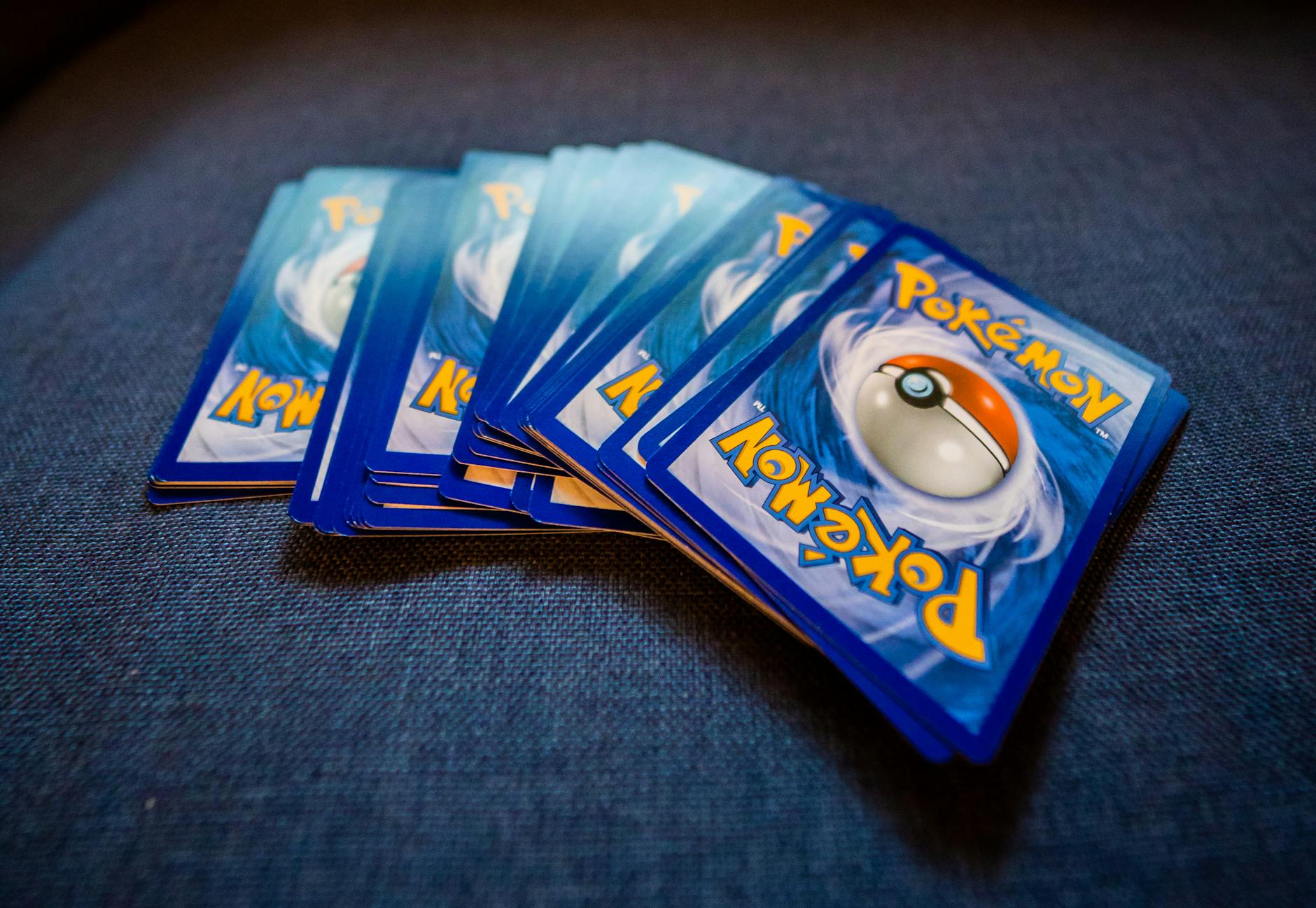
Nostalgia powers both 151 and WOTC collecting, but manifests differently. Pokemon 151 offers accessible nostalgia””the warm feelings of Gen 1 without financial barriers. Opening packs, seeing familiar Pokemon in new artwork, and completing a set provides emotional satisfaction rooted in childhood memories.
This experience is valid and meaningful regardless of monetary value. WOTC nostalgia operates on a deeper level for many collectors: owning the actual artifacts from childhood, or the artifacts they wished they’d preserved. There’s a specific emotional weight to holding a 1999 Base Set booster pack or a shadowless Blastoise that reproductions cannot replicate. For these collectors, the cards function as time capsules, physically connecting them to a specific era of their lives.
Looking Ahead: Will Future Reprints Affect WOTC?
Based on historical patterns, future Gen 1 reprints””whether anniversary sets, special collections, or themed releases””will likely follow the same trajectory as 151. They’ll sell well to modern collectors, provide accessible nostalgia, and operate in a market parallel to rather than competitive with vintage cards.
The Pokemon Company has demonstrated willingness to revisit classic content repeatedly, and each release has reinforced rather than undermined vintage WOTC positioning. The WOTC market’s primary threats come from factors unrelated to reprints: economic downturns affecting discretionary spending, generational transitions as original collectors age, or hypothetical discoveries of significant uncut sheet hoards. Modern reprints haven’t historically registered as meaningful demand factors, and structural differences in print volume, grading dynamics, and collector psychology suggest this pattern will continue indefinitely.
Conclusion
Pokemon 151 and WOTC cards serve different collectors with different goals at different price points. The existence of affordable Gen 1 alternatives hasn’t reduced demand for vintage cards because WOTC collectors aren’t simply seeking Gen 1 imagery””they’re seeking historical artifacts with authentic scarcity and provenance. These qualities cannot be reproduced regardless of how faithfully modern sets replicate classic aesthetics.
For collectors entering the hobby, both options offer legitimate paths depending on priorities. Those seeking affordable enjoyment and modern set completion will find 151 excellent value. Those seeking long-term collectibles with historical appreciation potential should focus on vintage WOTC, understanding the higher entry costs. Neither choice is objectively correct””they simply serve different purposes within the broader Pokemon collecting ecosystem.