The evidence strongly suggests that Pokemon 151 has established a lasting floor for Gen 1 product demand, though “permanent” requires some qualification. Since its September 2023 release, the set has defied typical TCG depreciation patterns””sealed booster boxes climbed from approximately $120 in early 2024 to $160 by September 2025, a 33% increase that runs counter to how most modern Pokemon sets behave after their initial hype cycle fades. Chase cards like the Charizard ex Special Illustration Rare surged from under $200 at release to $288, and all fifteen of the set’s top cards rose in value across multiple months in 2025. This sustained appreciation, combined with renewed interest in vintage Gen 1 cards, points to something more durable than a temporary spike. The ripple effects extend beyond the modern set itself.
The viral “Kabuto King” collecting trend pushed 1st Edition Kabuto prices to nearly $30″”a card that would have been a bulk throwaway just years ago. First Edition Cubone jumped from $1 in late November 2025 to $15 by December. These movements suggest that 151 has reactivated dormant collector interest in the original 151 Pokemon broadly, not just the obvious chase cards like Charizard. Whether this baseline persists for decades or merely years remains uncertain, but the structural factors driving demand appear more resilient than typical set-based enthusiasm. This article examines the market data behind 151’s performance, explores how it has influenced vintage Gen 1 pricing, identifies the risks and limitations collectors should understand, and offers practical guidance for those navigating this evolving landscape.
Table of Contents
- How Has Pokemon 151 Defied Normal TCG Market Patterns?
- What Is Driving Vintage Gen 1 Cards to Spike Alongside Modern 151 Products?
- Why Does Limited Print Run Status Matter for Long-Term Demand?
- How Should Collectors Approach 151 and Gen 1 Products Now?
- What Are the Risks and Limitations of the Gen 1 Demand Thesis?
- How Does Gen 1 Nostalgia Compare to Other Pokemon Generations?
- What Does Standard Rotation Mean for 151’s Future?
- Conclusion
How Has Pokemon 151 Defied Normal TCG Market Patterns?
Most Pokemon TCG sets follow a predictable arc: initial hype drives prices up at release, followed by steady decline as supply saturates the market and collector attention shifts to newer products. Pokemon 151 has broken this pattern decisively. Analysts have described the set as having “incredible staying power” through 2025, with chase cards appreciating 50-150% from their release values. This behavior is unusual enough that market watchers have specifically noted it “defies typical TCG depreciation curves.” The set’s unique position as the first complete Kanto collection in TCG history””all 151 original Pokemon arranged in Pokedex order””gives it a structural advantage that generic expansion sets lack. It also marked the first time Abra, Kadabra, and Alakazam appeared together in 21 years, resolving a licensing dispute that had kept Kadabra out of the TCG since 2003.
These factors create collector appeal that transcends the usual “newest set” enthusiasm. Japanese versions of sealed product tell a similar story, trading at $180-220 compared to $100-120 at launch. Elite Trainer Boxes now command $100 or more, while booster boxes have reached $400-plus. For comparison, many sets from 2022 and earlier in the Sword & Shield era have seen their sealed products stagnate or decline in the same timeframe. The contrast highlights that 151’s performance reflects genuine sustained demand rather than broader market inflation.

What Is Driving Vintage Gen 1 Cards to Spike Alongside Modern 151 Products?
The connection between modern 151 enthusiasm and vintage Gen 1 appreciation appears to be a feedback loop rather than coincidence. When collectors engage with the 151 set, they reconnect with the original 151 Pokemon””many for the first time since childhood. This rekindled nostalgia extends naturally to vintage products, particularly 1st Edition cards from the Base Set era. The result has been price movement in cards that sat dormant for years. The “Kabuto King” phenomenon illustrates this dynamic clearly. What began as a social media trend celebrating an obscure fossil Pokemon translated into real market action, with 1st Edition Kabuto prices spiking to nearly $30.
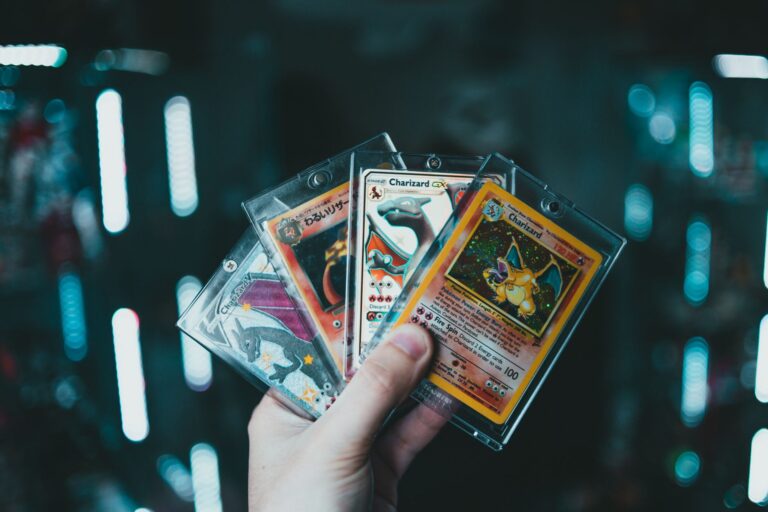
First Edition Brock’s Rhyhorn hit $17 on TCGPlayer. These are not cards that investment-focused collectors historically targeted””they lack the prestige of Charizard or the competitive utility of trainer cards. Their appreciation signals that demand is spreading across the entire Gen 1 roster rather than concentrating only on established chase cards. However, this broadening demand does not guarantee uniform appreciation. Cards benefiting from viral trends like Kabuto King may not sustain their elevated prices once social media attention moves elsewhere. The vintage market remains highly sensitive to condition, with PSA 10 grades commanding exponential premiums””a 1st Edition Shadowless Charizard in that grade has sold for over $420,000, while lower grades sell for a fraction of that amount. Collectors entering the vintage market should understand that not all Gen 1 cards will appreciate equally, and trend-driven spikes can reverse.
Why Does Limited Print Run Status Matter for Long-Term Demand?
Pokemon 151 was released as a special set rather than a mainline expansion, meaning it received a more limited print run than standard releases. This structural scarcity matters for long-term pricing because it caps the total supply that can ever enter the market. Unlike sets that receive multiple print waves over extended periods, special sets typically see production cease relatively quickly, leaving sealed product supply to only decrease over time as boxes are opened. Booster bundles provide a clear example of how this scarcity manifests. Originally available at $27 retail, they now trade at $40-50″”a 50% increase that reflects growing difficulty in acquiring sealed product at original prices.
As Standard rotation approaches and the set becomes ineligible for official tournament play, the collector-focused portion of demand may actually strengthen while competitive player demand fades, potentially supporting prices even as playability diminishes. The limitation here is that scarcity alone does not guarantee value. Plenty of limited Pokemon products from the 2000s and 2010s languished at or below retail for years before the 2020 boom. What distinguishes 151 is the combination of limited supply, strong nostalgic appeal, and timing within a market that has demonstrated sustained interest in Pokemon collectibles. If broader collector enthusiasm for Pokemon wanes significantly, limited print runs will not insulate the set from decline.

How Should Collectors Approach 151 and Gen 1 Products Now?
The current market presents a tradeoff between entry price and future appreciation potential. Analysts project 30-50% additional growth for 151 products, particularly as Standard rotation approaches, but these projections assume continued market conditions. Collectors buying sealed product now pay significantly more than those who acquired it at release but potentially less than future buyers if appreciation continues. For those interested in vintage Gen 1 cards, the recent price movements in previously overlooked cards create both opportunity and risk. Cards like 1st Edition Cubone, which jumped from $1 to $15 in a single month, may represent either the beginning of sustained appreciation or the peak of a trend-driven bubble.
Buying such cards before viral attention arrives offers the best returns but requires predicting which cards will capture collector imagination next””an inherently uncertain exercise. A practical middle ground involves focusing on sealed 151 product rather than speculating on which individual vintage cards might spike next. Sealed product benefits from the set’s overall appeal rather than requiring correct predictions about specific cards. It also preserves optionality””an unopened box can be sold as sealed product or opened if the owner’s priorities change. The tradeoff is higher capital requirements and storage considerations compared to individual cards.
What Are the Risks and Limitations of the Gen 1 Demand Thesis?
Market volatility remains the primary risk. The data supporting 151’s exceptional performance covers roughly two years””a meaningful period but not long enough to confirm truly permanent demand. Pokemon card prices broadly have benefited from sustained collector interest since 2020, but this interest could contract due to economic conditions, generational shifts in collecting preferences, or competition from other collectible categories. The caution that investor-centric buyers may see “more modest” price appreciation going forward deserves attention. When products transition from collector-driven to investor-driven demand, market dynamics change.
Investors buy with exit strategies in mind, meaning they will sell when returns meet their targets or when better opportunities emerge elsewhere. If a significant portion of 151’s price support comes from investment-motivated holders rather than collectors who intend to keep their products indefinitely, prices could prove more fragile than current trends suggest. Overhype presents an additional concern. When market analysts describe a product as “the ultimate investment set,” that enthusiasm can attract buyers whose expectations exceed realistic outcomes. If 151 delivers solid but unspectacular returns over the next several years rather than the dramatic appreciation some expect, disappointed investors may exit positions, creating selling pressure that undermines prices.
How Does Gen 1 Nostalgia Compare to Other Pokemon Generations?
Gen 1 nostalgia occupies a unique position in the Pokemon franchise, described by market observers as “eternal.” The original 151 Pokemon benefit from cultural penetration that later generations cannot match””characters like Pikachu, Charizard, and Mewtwo have recognition far beyond the Pokemon fanbase. Adults who grew up with Red and Blue in the 1990s now have disposable income to pursue collectibles, and many are introducing their children to Pokemon through these same original characters. This generational handoff creates the potential for self-sustaining demand.
A parent who collected Base Set cards as a child and now opens 151 packs with their own children creates family engagement with Gen 1 that could persist across decades. However, whether this pattern continues indefinitely or eventually yields to nostalgia for later generations remains uncertain. Collectors who grew up with Gen 3 or Gen 4 will eventually reach their peak earning years, and their nostalgia may drive demand for different products.
What Does Standard Rotation Mean for 151’s Future?
As Pokemon 151 approaches Standard format rotation””the point at which it becomes ineligible for official competitive play””its market positioning will shift entirely to collector demand. For some sets, rotation marks the beginning of price decline as competitive players sell cards they no longer need. For 151, rotation may have the opposite effect, cementing its status as a collectible rather than a competitive product.
The set’s appeal has always been primarily nostalgic rather than competitive. While it contains playable cards, few have defined tournament metagames the way cards from other sets have. This means rotation removes relatively little demand while potentially attracting collectors who specifically seek out “complete” products that have finished their competitive lifecycle. The coming rotation will test whether 151’s collector base is sufficient to sustain and grow prices without competitive player participation.
Conclusion
The data supports a qualified yes to whether Pokemon 151 has created permanent baseline demand for Gen 1 products. Sustained price appreciation across sealed products and singles, combined with spillover effects lifting previously obscure vintage Gen 1 cards, suggests structural demand rather than temporary speculation. The set’s unique status as the first complete Kanto collection, its limited print run, and the enduring cultural power of Gen 1 nostalgia provide foundations for continued collector interest.
Collectors should temper expectations with realistic assessment of market risks. Historical appreciation does not guarantee future returns, investor-heavy markets can reverse quickly, and no collectible is truly immune to broader economic conditions. Those who approach 151 and Gen 1 products as collectibles they genuinely want to own””rather than pure investment vehicles””position themselves to enjoy their purchases regardless of future price movements while still benefiting if appreciation continues.