Pokemon 151 has a strong case for becoming the defining set that brings millennial collectors back to the hobby. Released September 22, 2023, this 210-card set features all original 151 Kanto Pokemon ordered by National Pokedex number rather than type””a deliberate design choice that mirrors how kids in the late 1990s first learned these creatures. The set continues to outsell more recent releases on platforms like TCGplayer, and its flagship Charizard ex Special Illustration Rare currently sits at $259.10, climbing $18 in January 2026 alone. For a generation now in their peak earning years with disposable income to spend on “tangible, culturally resonant assets,” this set offers something no other modern release does: a direct bridge to childhood.
However, calling any single set “defining” requires acknowledging what it’s competing against. Millennials who collected in 1999 have watched complete first edition base sets appreciate from roughly $200 to as much as $647,000 in PSA 10 condition. Some returning collectors may bypass modern sets entirely in favor of chasing their original holy grails. The 151 set occupies interesting middle ground””accessible enough to collect without a second mortgage, nostalgic enough to feel meaningful, yet still carrying genuine secondary market value. This article examines the demographic forces driving millennial collectors back to Pokemon, the market data supporting 151’s staying power, the set’s design choices that tap into nostalgia, how it compares to vintage collecting, and what the upcoming 30th anniversary in 2026 might mean for its long-term position.
Table of Contents
- Why Are Millennials Driving the Pokemon Card Investment Boom?
- What Makes Pokemon 151 Different from Other Modern Sets?
- The Charizard ex Special Illustration Rare: Centerpiece of the Set
- Comparing 151 to Vintage Collecting: Accessibility Versus Prestige
- The 2026 30th Anniversary: What It Means for 151’s Position
- Production Scale and Long-Term Scarcity Questions
- The Emotional Economics of Nostalgia
- Looking Forward: Will 151 Endure?
- Conclusion
Why Are Millennials Driving the Pokemon Card Investment Boom?
The math is straightforward: people born between 1981 and 1996 are now aged 29 to 44, placing them squarely in their highest earning years. This demographic represents the largest proportion of trading card purchasers, with higher transaction volumes and greater willingness to pay premium prices. When Pokemon cards debuted in North America in 1999, these were the kids begging parents for booster packs at Toys R Us. Now they’re the adults with credit cards and childhood memories to recapture. The numbers reflect this demographic reality. Pokemon cards have appreciated 3,261% over twenty years according to Card Ladder data.
The trading card games market in the United States reached approximately $2.2 billion in 2025, with Pokemon alone generating over $1 billion annually””making it the only toy brand to surpass that threshold last year according to Circana. These figures aren’t driven by children spending allowance money. They’re driven by adults in the 25-45 age range treating cards as collectible investments. What makes 151 particularly relevant to this demographic is specificity. A millennial returning to the hobby doesn’t necessarily care about Scarlet and Violet era Pokemon they’ve never heard of. They care about Blastoise, Gengar, and especially Charizard. The 151 set delivers exactly those creatures in premium modern card quality, creating an on-ramp that doesn’t require learning 900+ newer Pokemon species.
What Makes Pokemon 151 Different from Other Modern Sets?
The 151 set breaks from standard Pokemon TCG design conventions in ways that specifically serve nostalgic collectors. Cards are ordered by National Pokedex number””Bulbasaur at the start, Mew at the end””rather than grouped by type as in typical competitive sets. This organizational choice mirrors how the original 151 were presented in games, television, and the original card series. For collectors who memorized the Pokedex order as children, flipping through a 151 binder triggers specific memories in ways a randomized modern set cannot. The set has been called “a collector’s dream” by reviewers and carries “a strong argument for being the most universally loved Pokemon set in history.” These aren’t empty marketing claims””they’re reflected in sustained sales performance.
Unlike many modern sets that spike at release and quickly depreciate, 151 has maintained collector interest through January 2026, over two years after its September 2023 launch. However, if your primary interest is competitive play rather than collecting, 151 may disappoint. The set was designed with nostalgia and display appeal as priorities, not tournament viability. Players building competitive decks will find better options in standard Scarlet and Violet releases. The 151 set is explicitly a collector’s product, and its value proposition assumes you’re buying to own rather than to play.
The Charizard ex Special Illustration Rare: Centerpiece of the Set
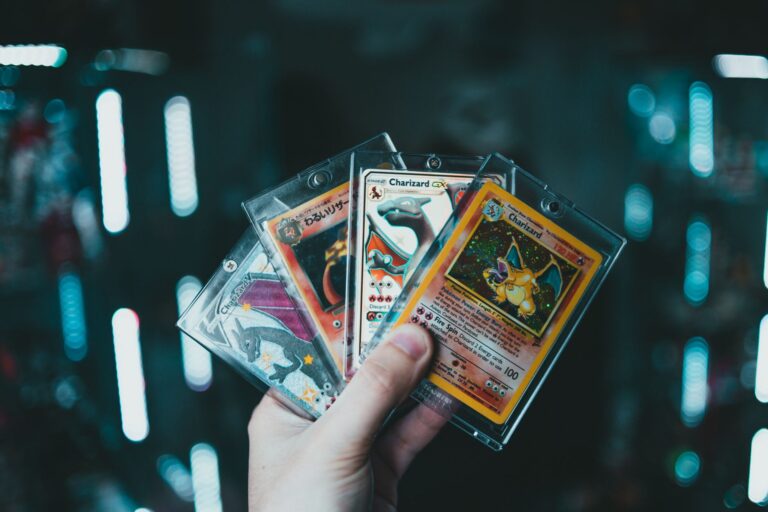
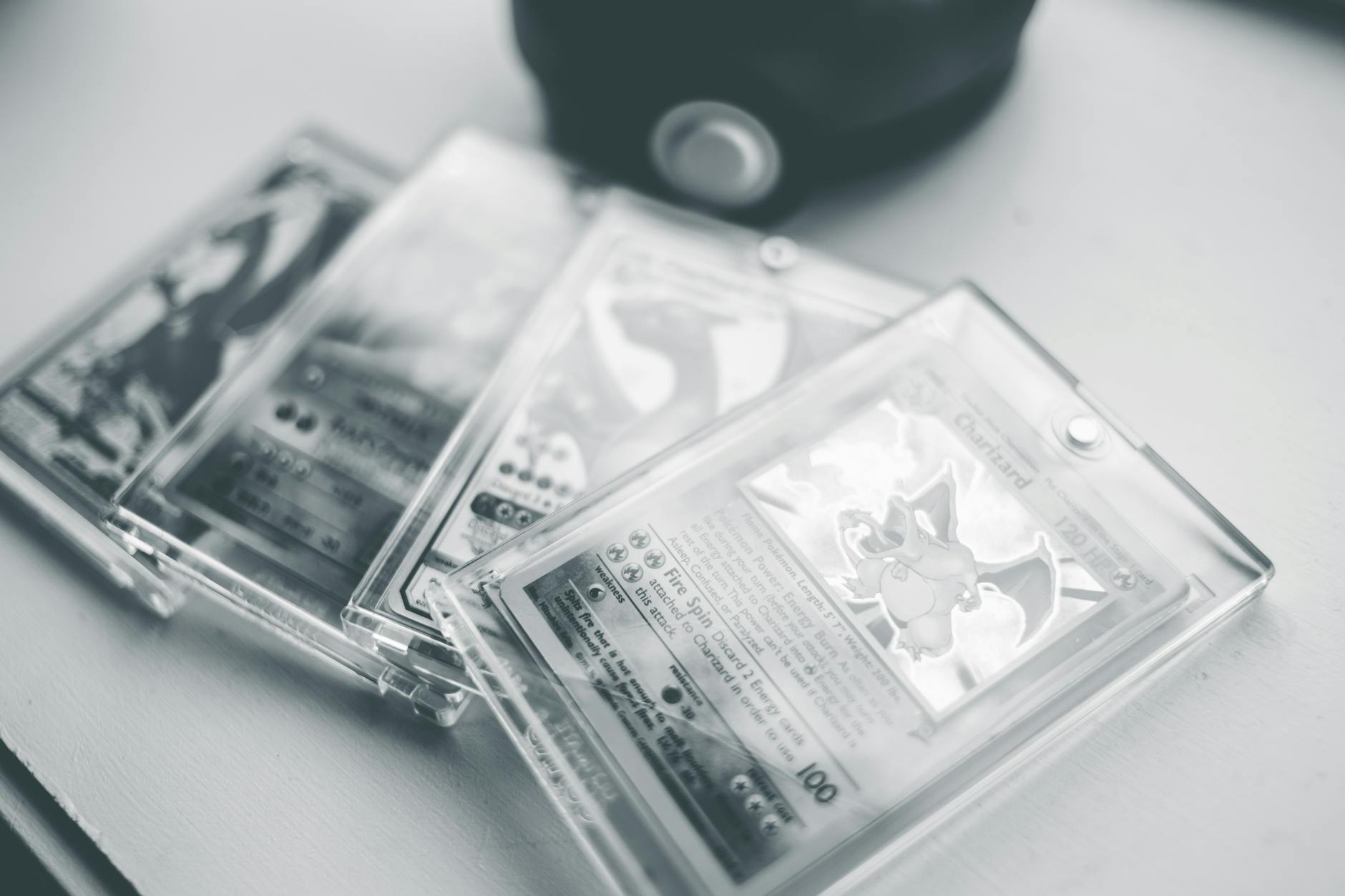
Every Pokemon set needs a chase card, and for 151 that card is unambiguously the Charizard ex Special Illustration Rare (199/165). Currently valued at $259.10 and approaching $300, this card has been described as “the beast of 151” and “likely the most beloved card of the entire Scarlet & Violet Series.” It features Charizard rendered in a dramatic artistic style distinct from standard card illustrations, making it immediately recognizable as something special even to casual observers. The card’s price trajectory tells a story about sustained demand. Rather than crashing after initial release hype faded, the Charizard ex SIR gained $18 in value during January 2026 alone. This steady appreciation pattern differs from many modern chase cards that spike and collapse.
For millennial collectors specifically, Charizard holds generational significance””it was the card everyone wanted in 1999, the reason Base Set booster packs got bought and opened. A premium modern Charizard satisfies that same childhood desire with contemporary production values. For perspective on what Charizard means to this demographic, consider the original: a PSA 10 first edition Base Set Charizard has sold for over $400,000. The 151 Charizard ex SIR offers something psychologically similar””a premium, sought-after Charizard card””at roughly 0.06% of that price. It’s nostalgia made accessible.

Comparing 151 to Vintage Collecting: Accessibility Versus Prestige
Returning collectors face a fundamental choice: chase original vintage cards or collect modern sets like 151. Both paths have merits and significant tradeoffs. A complete first edition Base Set in near-perfect condition commands around $26,000, with PSA 9 sets reaching $89,000 and PSA 10 sets hitting $647,000. These prices put serious vintage collecting out of reach for most people, regardless of their millennial nostalgia. The 151 set offers a psychologically satisfying alternative. You can realistically complete the set.
You can pull the chase card from a booster pack rather than paying five figures at auction. The cards are new, pristine, and don’t require authentication anxiety about fakes or regrades. For collectors who want the experience of collecting rather than pure investment exposure, modern sets deliver something vintage cannot: the joy of opening packs and building a collection from scratch. However, if your goal is maximum appreciation potential, vintage remains the proven asset. Pokemon cards are up 3,261% over twenty years, but that figure primarily reflects vintage appreciation. Whether 151 will show similar long-term gains is unknown””it’s simply too new to have a meaningful track record. Collectors treating cards purely as investments should understand they’re speculating on 151’s future rather than buying into demonstrated historical performance.
The 2026 30th Anniversary: What It Means for 151’s Position
Pokemon celebrates its 30th anniversary in 2026, and industry observers expect significant emphasis on original 151 themes. Five major TCG releases are rumored for the anniversary year, with expectations of creative reprints and callbacks to Kanto. This creates an interesting dynamic for the existing 151 set: it may benefit from renewed attention to the original Pokemon generation, or it may face competition from anniversary products designed to capture the same nostalgic market. The anniversary could validate 151’s position as the modern definitive Kanto collection, with anniversary products serving as supplements rather than replacements.
Alternatively, anniversary releases might offer superior versions of the same nostalgic appeal, potentially drawing collector attention and dollars away from the 2023 set. The Pokemon Company’s specific anniversary plans remain unannounced, making this a genuine uncertainty in 151’s long-term outlook. What seems certain is that 2026 will heavily emphasize what made Pokemon a phenomenon in the first place. For millennial collectors already engaged with 151, the anniversary represents an opportunity to see their collections gain cultural relevance. For those still on the fence about returning to the hobby, anniversary marketing will likely provide additional catalysts.
Production Scale and Long-Term Scarcity Questions
Over 75 billion Pokemon cards have been produced in the franchise’s history, and modern printing capabilities mean popular sets like 151 see substantial production runs. This raises legitimate questions about long-term collectibility. Base Set cards from 1999 are scarce because production was limited and most copies were destroyed through childhood play. Modern sets are printed in quantities that dwarf vintage production, and adults generally store cards more carefully than nine-year-olds did. For collectors hoping 151 will appreciate like vintage sets, this production reality matters.
The Charizard ex SIR is the chase card now, but thousands of copies exist in near-mint condition, carefully sleeved and stored by adult collectors who understand condition matters. Whether scarcity will ever develop comparable to vintage remains genuinely unknown. This doesn’t mean 151 lacks collectible merit””it means expectations should be calibrated accordingly. Collecting for enjoyment and nostalgic satisfaction is entirely valid regardless of future appreciation. Collecting purely for investment returns requires acknowledging that modern sets operate under different supply conditions than the vintage cards that established Pokemon’s appreciation track record.
The Emotional Economics of Nostalgia
What makes 151 potentially defining for millennial collectors isn’t purely financial””it’s emotional. This generation spent formative years absorbing Pokemon through games, television, and trading cards. Those neural pathways still exist. When a 35-year-old opens a 151 booster pack and pulls an Alakazam illustration rare, something fires in their brain that newer Pokemon simply cannot trigger.
The Pokemon Company explicitly designed 151 to activate these responses, and based on sustained sales performance, the strategy worked. The danger in nostalgia-driven collecting is overpaying for emotional satisfaction. A card’s personal meaning to you has no bearing on its market value. The flip side is that market value has limited bearing on personal satisfaction. Collectors who understand they’re paying for emotional resonance rather than pure investment exposure can make informed decisions about what 151 is worth to them specifically.
Looking Forward: Will 151 Endure?
The 151 set’s defining status for millennial collectors will ultimately be determined by factors not yet known: what the 30th anniversary brings, how the broader collectibles market evolves, and whether nostalgia-driven demand sustains as millennials age into their 40s and 50s. The set has demonstrated unusual staying power through its first two years, continuing to outsell newer releases and maintaining chase card values against typical depreciation patterns. What can be said with confidence is that 151 occupies a unique position in the modern Pokemon TCG landscape.
No other recent set targets millennial nostalgia as directly or comprehensively. No other set replicates the experience of collecting the original 151 with modern card quality and availability. Whether that makes it “defining” depends partly on how collectors choose to define their own engagement with the hobby.
Conclusion
Pokemon 151 has established itself as the most direct bridge between modern Pokemon TCG products and millennial childhood memories. Its sustained sales performance, appreciating chase card values, and design choices specifically targeting nostalgic collectors suggest it will remain significant to returning adult collectors regardless of what future sets bring. The approaching 30th anniversary in 2026 will likely amplify attention on original Kanto Pokemon, potentially strengthening 151’s position further.
For millennials considering a return to Pokemon collecting, 151 offers an accessible entry point that doesn’t require learning hundreds of unfamiliar creatures or spending vintage-level prices. The set delivers genuine nostalgic satisfaction alongside real secondary market value. Whether it becomes the singular “defining” set for a generation depends on individual collectors’ priorities””but it has positioned itself as the leading candidate for that status through thoughtful design and demonstrated market performance.