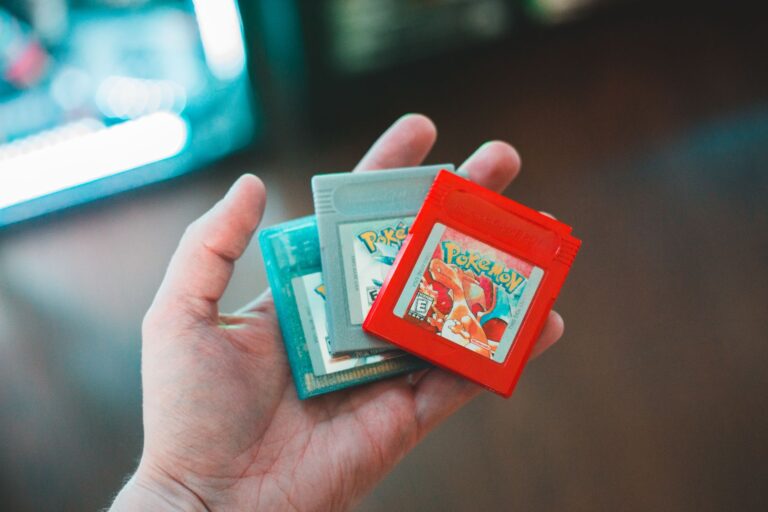
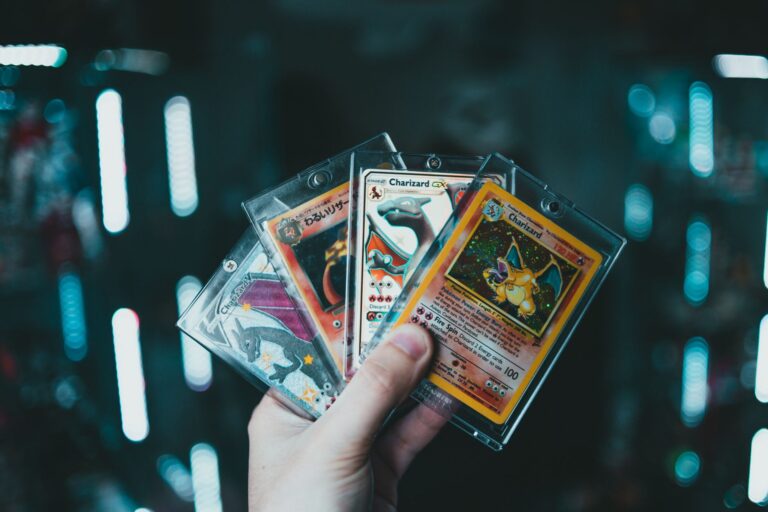
Probably not for most products, but a select few will almost certainly achieve lasting collectible status. The brutal truth about modern Pokémon TCG sets is that The Pokémon Company has dramatically increased print runs since the pandemic-era collecting boom, meaning the supply of Scarlet and Violet era cards dwarfs anything from the vintage or even modern classic periods. However, history suggests that certain chase cards, special variants, and sealed products from any era can appreciate significantly over decade-long timeframes, provided they capture the imagination of collectors who grew up with them.
Consider the trajectory of sets like Evolving Skies from the Sword and Shield era, which has shown strong secondary market performance due to its beloved Eeveelution alternate art cards. Scarlet and Violet’s 151 set, with its nostalgia-laden Kanto Pokémon rendered in modern illustration styles, appears positioned to follow a similar path. The question isn’t whether any Scarlet and Violet products will become valuable collectibles, but rather which specific products and cards will emerge as the blue chips while the rest fade into dollar bin obscurity. This article examines the factors that determine long-term collectible value, the specific characteristics that might elevate certain Scarlet and Violet releases, and the realistic expectations collectors should maintain.
Table of Contents
- What Makes a Pokémon Set Become a Blue Chip Nostalgia Investment?
- How Print Run Volume Affects Long-Term Scarlet and Violet Card Values
- Which Scarlet and Violet Products Show the Strongest Collectible Potential?
- Building a Collection Strategy for Modern Era Pokémon Cards
- Common Mistakes When Speculating on Modern Pokémon Sets
- The Role of Special Art Rares and Illustration Rares in Set Collectibility
- What the Sword and Shield Era Tells Us About Scarlet and Violet’s Future
- Conclusion
What Makes a Pokémon Set Become a Blue Chip Nostalgia Investment?
Blue chip status in the Pokémon collecting world comes down to three intersecting factors: emotional resonance with a generation of players, genuine scarcity relative to collector demand, and the presence of iconic chase cards that define the set’s identity. Base Set Unlimited achieved legendary status not because of artificial rarity but because millions of kids experienced those cards as their introduction to Pokémon, and enough of those cards were damaged or discarded that mint copies became genuinely scarce over time. The nostalgia cycle typically takes fifteen to twenty years to mature. Collectors who experienced cards as children often return to the hobby when they have disposable income in their late twenties and thirties, seeking to recapture pieces of their childhood.
This pattern played out with Base Set in the late 2010s and is currently occurring with early ex-era and Diamond & Pearl products. For Scarlet and Violet sets, the primary nostalgia window would theoretically open sometime in the late 2030s to early 2040s, when today’s young collectors reach their peak earning years. However, modern print runs fundamentally change this calculus. When The Pokémon Company can produce seemingly unlimited quantities of any given set, the natural attrition that created vintage scarcity may not apply. The counterargument is that modern collectors are more sophisticated about preservation, meaning a higher percentage of cards survive in mint condition, which could paradoxically reduce the premium for graded copies.

How Print Run Volume Affects Long-Term Scarlet and Violet Card Values
The elephant in the room for modern Pokémon investing is production scale. Reports and analyst estimates suggest that contemporary Pokémon TCG print runs exceed previous generations by substantial margins, though exact figures are closely guarded by The Pokémon Company. This volume represents both a democratization of the hobby and a fundamental challenge to traditional collectible economics. High print runs don’t automatically doom a product’s future value, but they do raise the bar for what can appreciate. The key distinction is between absolute scarcity and relative scarcity.
Even if millions of booster boxes exist, the percentage containing a specific illustration rare or special art rare remains constant. If a particular card captures collector imagination and demand grows over decades, that fixed pull rate against growing demand can still drive appreciation. However, if you’re approaching Scarlet and Violet products primarily as investments expecting vintage-style returns, you should temper expectations significantly. The sets that achieved ten to fifty times appreciation over twenty years did so in an era of much smaller print runs, less sophisticated collector preservation, and fewer competing products. A more realistic expectation for quality modern sealed product might be modest appreciation that outpaces inflation rather than transformative wealth generation.
Which Scarlet and Violet Products Show the Strongest Collectible Potential?
Based on historical patterns and current collector sentiment, the 151 set stands out as the Scarlet and Violet release most likely to achieve lasting significance. Its focus on original Kanto Pokémon provides cross-generational appeal, connecting with both veteran collectors who remember 1999 and newer fans discovering these designs. The set’s illustration rares and special art rares have generated strong secondary market interest, suggesting genuine collector enthusiasm rather than pure speculation. Special releases and premium products typically outperform standard booster boxes for long-term appreciation.
Products like the Pokémon Center exclusive versions, special collection boxes with unique promos, and limited regional releases face both higher initial prices and lower print runs. The trade-off is that these products require more capital to acquire and carry greater risk if collector interest doesn’t materialize as expected. Standard set booster boxes from sets without a compelling hook, such as the base Scarlet and Violet set or some of the more generic mid-cycle releases, face an uphill battle for long-term appreciation. These products compete against every other box from their era, and without a standout card or theme, they struggle to differentiate in a crowded market. Collectors targeting long-term appreciation should generally focus resources on products with clear collector appeal rather than spreading capital across generic releases.

Building a Collection Strategy for Modern Era Pokémon Cards
The most prudent approach to modern Pokémon collecting balances emotional value with financial pragmatism. Collect what you genuinely enjoy and will appreciate regardless of monetary outcome, while maintaining awareness of which products have stronger collectible characteristics. This dual focus protects against both disappointment if values stagnate and the hollow feeling of owning sealed product you acquired purely for speculation. When comparing strategies, opening versus holding sealed presents a fundamental trade-off.
Sealed product preserves optionality and typically carries lower grading and storage costs, but ties up capital indefinitely and requires proper climate-controlled storage. Opening and grading chase cards offers immediate liquidity and the excitement of the hunt, but introduces grading costs, submission time, and the risk of pulling nothing of significance. A middle-ground approach involves acquiring multiples of products you believe in, opening some to enjoy the collecting experience while holding others sealed. This strategy provides both the immediate satisfaction of engaging with cards and the potential long-term appreciation of sealed product. The percentage allocated to each depends on individual risk tolerance, storage capacity, and how much the experience of opening matters to the collector.
Common Mistakes When Speculating on Modern Pokémon Sets
The most prevalent error is treating market speculation as collecting. Speculators who acquired pandemic-era sealed product at inflated prices often watched those values decline as print runs caught up with demand. This experience should remind collectors that Pokémon products are manufactured goods that can be reprinted when demand justifies production, unlike truly limited assets. Another significant pitfall is neglecting storage and preservation costs. Sealed product requires proper storage to maintain value: climate control, protection from light, and secure shelving.
These ongoing costs compound over the fifteen to twenty year horizon required for nostalgia cycles to mature. A collection appreciating at three percent annually looks far less attractive when accounting for storage expenses, insurance, and the opportunity cost of capital. Collectors should also beware of confirmation bias in market analysis. Online communities often amplify bullish sentiment while marginalizing bearish perspectives, creating echo chambers that inflate expectations. The loudest voices about future appreciation frequently have financial incentives to promote those narratives. Critical evaluation of any market claim, including the analysis in this article, should be standard practice.

The Role of Special Art Rares and Illustration Rares in Set Collectibility
Special art rares and illustration rares have emerged as the chase cards that define modern sets, much like first edition holos defined vintage releases. These cards feature distinctive full-art illustrations that differentiate them from standard holos, often depicting Pokémon in narrative scenes or artistic styles departing from typical card art. The best examples become the iconic images associated with their sets.
The Charizard ex special art rare from Pokémon 151 exemplifies how a single card can anchor a set’s collectibility. Its combination of the hobby’s most popular Pokémon with distinctive art created immediate demand that shows no sign of abating. Similarly, sets are often remembered and valued based on their best two or three chase cards rather than their overall card pool. Collectors focused on long-term value should study which cards are generating genuine enthusiasm versus temporary hype.
What the Sword and Shield Era Tells Us About Scarlet and Violet’s Future
The Sword and Shield era provides the most relevant comparison for Scarlet and Violet’s trajectory, as it represents the first modern era with comparable print volumes and collector awareness. Early data points suggest differentiated outcomes: sets like Evolving Skies with beloved chase cards have maintained or increased value, while generic mid-cycle sets have stagnated or declined from initial retail prices.
This pattern suggests that the Scarlet and Violet era will likely follow a similar distribution, with standout sets appreciating modestly while average releases struggle to exceed original retail pricing. The implication for collectors is clear: quality over quantity, iconic over generic, and patience measured in decades rather than months. Those expecting every sealed box to become a blue chip collectible will likely face disappointment, while those who carefully selected products with genuine collector appeal may see their patience rewarded.
Conclusion
The Scarlet and Violet era will almost certainly produce some products that achieve genuine blue chip status, but they will represent a small fraction of total releases rather than the broad appreciation some collectors hope for. High print runs, sophisticated preservation practices, and a crowded market mean that only products with exceptional collector appeal, such as 151’s nostalgia factor or sets with standout chase cards, have realistic paths to significant long-term appreciation. The most sensible approach combines genuine collecting enjoyment with informed awareness of market dynamics.
Focus on products that resonate personally while recognizing that financial returns are uncertain and typically require holding periods measured in decades. Store products properly, diversify across different types of collectibles, and never invest more than you can afford to lose. The Pokémon TCG remains a game first and a collectible market second, and collectors who remember this order tend to find both more fulfillment and better outcomes.