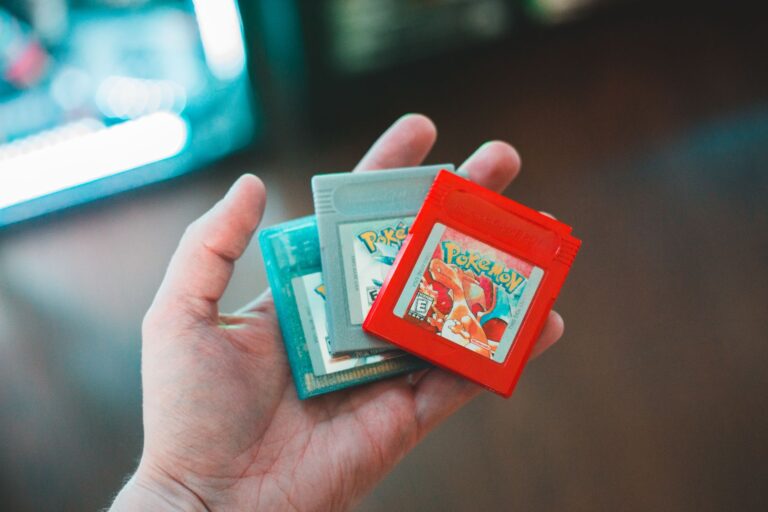
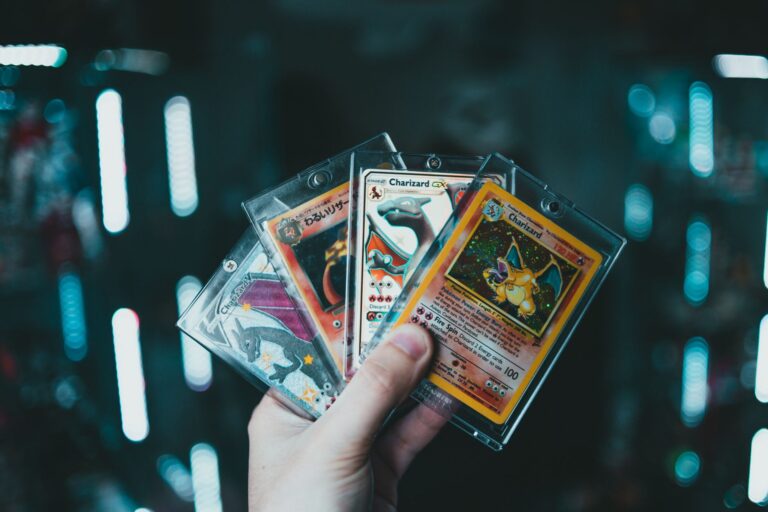
Yes, alternate art cards are positioned to become the primary nostalgia driver for collectors who come of age in the 2040s, though they likely won’t be the *only* significant trigger. The collectors who will fuel that wave are currently teenagers and young adults experiencing their formative Pokemon years right now, during an era when alt arts have become the crown jewels of modern sets. Just as Base Set holographics define nostalgia for collectors who grew up in the late 1990s, and as EX-era full arts resonate with those from the mid-2000s, the stunning full-bleed alternate illustrations from sets like Evolving Skies, Obsidian Flames, and Prismatic Evolutions are creating the emotional imprints that will pull wallets open two decades from now. However, this prediction comes with important caveats.
The Pokemon TCG has undergone dramatic shifts in its chase card strategy over the years, and whatever The Pokemon Company introduces in the 2030s could easily create new categories that overshadow today’s alt arts. Consider how the original EX cards were once the pinnacle of desirability, only to be supplanted by full arts, then secret rares, then rainbow rares, and now alt arts themselves. The nostalgia economy doesn’t exist in isolation””it interacts with whatever the contemporary collecting landscape looks like when those nostalgic urges finally kick in. This article examines why alt arts hold such promise as future nostalgia anchors, what competing formats might challenge that position, how collector demographics will shape demand, and what current collectors and investors should consider when thinking about 2040 and beyond.
Table of Contents
- What Makes Alt Art Cards Unique Nostalgia Triggers for Future Collectors?
- How 2040s Collector Demographics Will Shape Alt Art Demand
- Competing Card Formats That Could Challenge Alt Art Dominance
- Building a Collection with 2040 Nostalgia in Mind
- Condition and Preservation Challenges for Long-Term Alt Art Holders
- The Role of Digital and Hybrid Collecting in the 2040 Landscape
- What the 2040 Alt Art Market Might Actually Look Like
- Conclusion
What Makes Alt Art Cards Unique Nostalgia Triggers for Future Collectors?
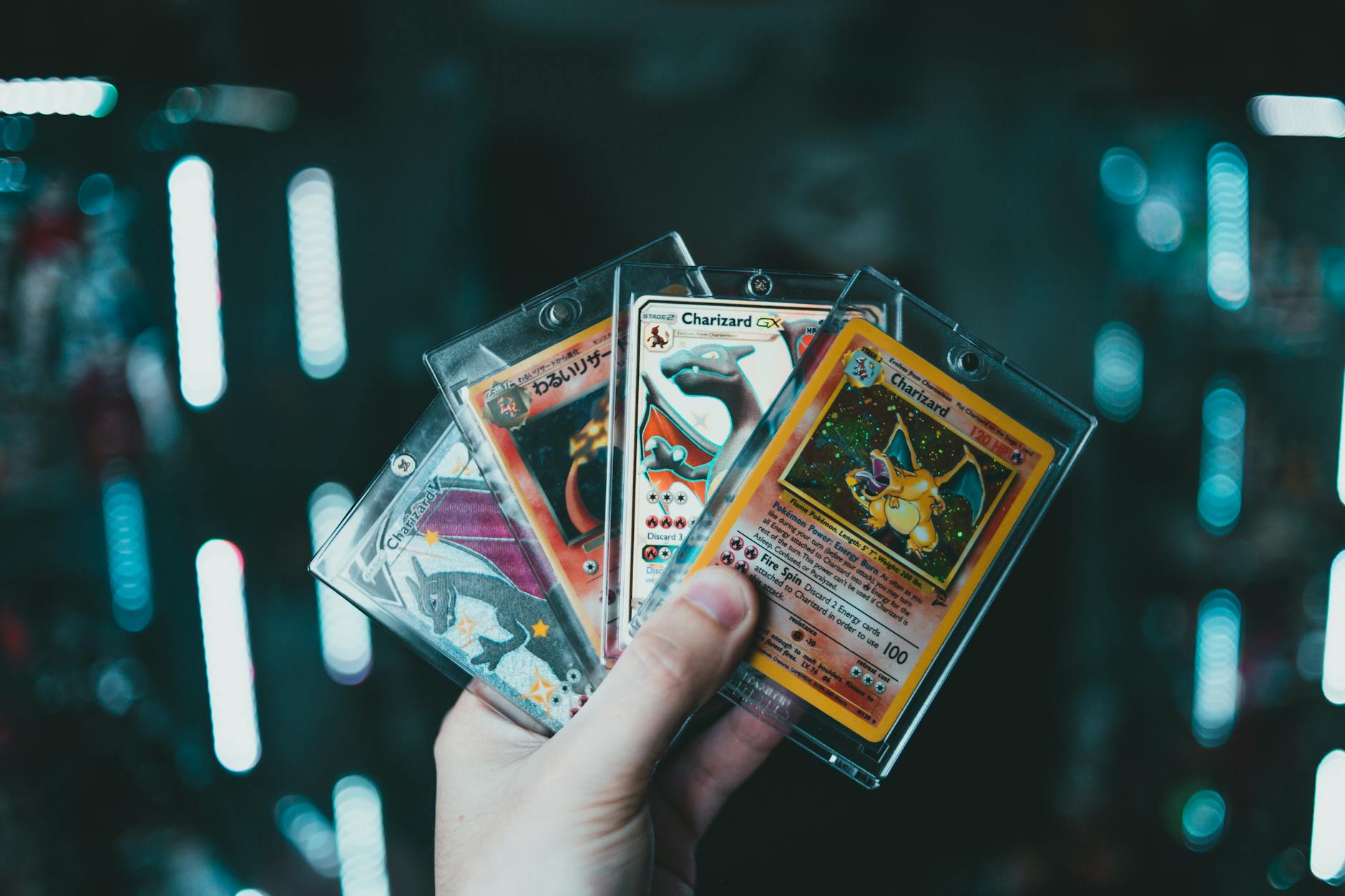
alt art cards differentiate themselves from previous chase card formats through their artistic ambition and emotional storytelling. Unlike rainbow rares, which simply recolor existing illustrations, or standard full arts that feature Pokemon in generic poses, alternate art cards place Pokemon in narrative scenes””Umbreon overlooking a moonlit cityscape, Charizard perched on volcanic rock at sunset, Pikachu playing among Lechonk in a pastoral field. These images create emotional memories in ways that conventional card designs cannot. The psychological mechanism behind nostalgia collecting hinges on sensory and emotional triggers. Collectors don’t just remember that they owned a card; they remember opening the pack, the circumstances of the pull, and crucially, what the image made them feel.
Alt arts, with their cinematic compositions and environmental storytelling, create richer memory imprints than cards that simply show a Pokemon using an attack. A collector who pulled a Moonbreon alt art as a twelve-year-old in 2022 carries not just the memory of the card, but the entire atmosphere the illustration evoked. There’s also a practical collecting dynamic at play. Alt arts occupy a sweet spot in rarity””difficult enough to pull that they feel special, but not so scarce that most collectors never experience them firsthand. Compare this to cards like Illustrator Pikachu, which generate headlines but have no widespread nostalgic attachment because virtually no one actually owned one during childhood. Mass nostalgia requires mass exposure, and alt arts thread that needle effectively.

How 2040s Collector Demographics Will Shape Alt Art Demand
The collectors driving the 2040 wave will predominantly be people born between 2010 and 2025, reaching their prime spending years of 30 to 45 when nostalgia purchasing typically peaks. This demographic is growing up with alt arts as the default prestige format for Pokemon cards. For them, alternate illustrations aren’t a novel innovation””they’re simply what premium Pokemon cards look like. This normalization could paradoxically strengthen their nostalgic pull, since these images will be deeply embedded in this generation‘s visual vocabulary. However, demographic factors could complicate the picture. Economic conditions in 2040 will determine whether this generation has discretionary income to spend on nostalgic collectibles.
The millennials who fueled the 2020s Pokemon boom benefited from specific economic circumstances””pandemic stimulus, remote work flexibility, and in many cases, accumulated savings from delayed major purchases. If the 2040 economy looks dramatically different, nostalgia might manifest through more affordable expressions than chasing high-end graded cards. There’s also the question of attention fragmentation. Today’s young collectors are growing up with competing nostalgic properties across multiple media formats””mobile games, streaming content, VR experiences. Pokemon cards might face steeper competition for nostalgic mindshare than they did for previous generations, where physical collectibles held more cultural dominance. The 2040 collector might feel equally nostalgic for their childhood Fortnite skins or Roblox items as for their Pokemon pulls.
Competing Card Formats That Could Challenge Alt Art Dominance
While alt arts currently occupy the throne, several competing formats could emerge as equally powerful nostalgia triggers by 2040. Special Art Rares (SARs) from Japanese sets, Illustration Rares, and the trainer gallery cards all feature similar artistic philosophies and have developed passionate followings. For collectors who primarily engaged with Japanese products during their formative years, these variants might hold stronger nostalgic weight than their English-language alt art counterparts. The gold star cards from the EX era provide an instructive comparison. These cards were considered the ultimate chase cards of their time, yet their nostalgic resurgence took decades to fully materialize, and even then, they compete with the more accessible standard holos and reverse holos for nostalgic attachment.
Rarity cuts both ways””extremely rare cards generate collector reverence but not widespread personal nostalgia. If alt art pull rates remain as challenging as they’ve been, many collectors from this era might actually feel stronger nostalgic connections to the more common holos and V cards they realistically owned. Sealed product could also emerge as a dark horse nostalgia vehicle. The explosion of sealed collecting in recent years means many current collectors are stashing away booster boxes and ETBs. By 2040, sealed Evolving Skies or Paldean Fates boxes might evoke the same nostalgic allure that sealed Base Set product commands today””representing not just the cards inside but the entire experience and aesthetic of that collecting era.
Building a Collection with 2040 Nostalgia in Mind
For collectors thinking long-term, the most practical approach involves balancing speculative potential against genuine personal interest. Chasing alt arts purely as investment vehicles for the 2040 wave carries significant risk””storage costs, condition degradation, and the simple uncertainty of predicting cultural trends two decades out. However, collecting alt arts that personally resonate, while maintaining them in excellent condition, serves the dual purpose of current enjoyment and potential future value. The tradeoff between graded and raw cards deserves careful consideration. Graded cards offer condition security and authentication, but they also freeze the card in a static state that some collectors find less nostalgically satisfying than holding the raw card they remember from childhood.
The 2040 market might favor graded specimens for high-value transactions while nostalgia-driven personal collections might trend toward raw cards in good condition. Neither approach is inherently superior””the right choice depends on whether you’re thinking of these cards as financial instruments or memory objects. Diversification across sets also makes practical sense. The current era’s most sought-after alt arts cluster heavily in a few sets like Evolving Skies, but nostalgia doesn’t necessarily correlate with current market value. A collector who pulled a beloved Hatterene alt art from Vivid Voltage will feel just as nostalgic for that card as someone who pulled Umbreon from Evolving Skies, regardless of their respective market prices. Building a collection that spans multiple sets from this era provides exposure to multiple potential nostalgia vectors.
Condition and Preservation Challenges for Long-Term Alt Art Holders
The twenty-year timeline presents real preservation challenges that current collectors should not underestimate. Pokemon cards printed in the modern era have faced criticism for inconsistent quality control””edge whitening, print lines, and centering issues affect many cards straight from the pack. Cards that look mint today may reveal hidden flaws over time as materials age, humidity fluctuates, and storage conditions vary. Temperature and humidity stability matter more than collectors often realize. Cards stored in attics, basements, or garages face significant degradation risks over multi-decade timelines. Even “proper” storage in binders or toploaders can cause issues””older plastic sleeves may off-gas chemicals that affect card surfaces, and pressure from overstuffed binders can create indentations.
Collectors serious about preservation should research archival-quality storage materials and climate-controlled environments. There’s also the counterfeiting problem to consider. As alt arts become more valuable, counterfeit quality continues improving. By 2040, distinguishing authentic cards from sophisticated fakes might require professional authentication for any high-value transaction. Cards authenticated early in their lifespan may carry provenance advantages, though the authentication industry itself might look very different by then. Collectors should maintain records of pulls, purchases, and authentication to establish clear ownership history.
The Role of Digital and Hybrid Collecting in the 2040 Landscape
The Pokemon TCG Live app and potential future digital products introduce uncertainty into physical card nostalgia predictions. Collectors coming of age right now are experiencing Pokemon cards through both physical and digital channels. For some, their most vivid Pokemon card memories might be digital pulls rather than physical pack openings, which could bifurcate the nostalgia market in unexpected ways.
Blockchain-based ownership certificates, augmented reality card displays, and other technologies that barely exist today might fundamentally alter how collectors in 2040 interact with vintage physical cards. A physical alt art might become the “key” that unlocks digital experiences, combining tangible nostalgia with contemporary functionality. Alternatively, physical cards might become even more valued as analog artifacts in an increasingly digital world””the nostalgic appeal of holding something tangible could intensify rather than diminish.
What the 2040 Alt Art Market Might Actually Look Like
Projecting specific market dynamics two decades out remains firmly in speculation territory, but historical patterns offer some guidance. The 1999-2000 vintage market didn’t truly explode until collectors from that era reached their mid-thirties with established careers and discretionary income. If the same pattern holds, the alt art nostalgia wave might not peak until 2045-2055 rather than 2040 itself.
The market will also depend heavily on Pokemon’s continued cultural relevance. The franchise has shown remarkable staying power across three decades, but nothing lasts forever. A decline in Pokemon’s broader cultural presence would dampen nostalgia-driven demand, while continued or expanded relevance””new hit games, successful media adaptations, effective engagement with new generations””would amplify it. Alt art cards benefit from being tied to one of entertainment’s most durable properties, but that durability cannot be assumed indefinitely.
Conclusion
Alt art cards possess the artistic depth, emotional resonance, and generational timing to serve as primary nostalgia triggers for the 2040 collector wave. Their narrative illustrations create richer memory imprints than previous chase card formats, and they occupy a rarity sweet spot that allows for widespread personal attachment while maintaining aspirational value. Current collectors experiencing these cards during formative years are building the emotional connections that drive nostalgia markets decades later.
The path to 2040 remains uncertain, shaped by factors ranging from economic conditions to digital technology evolution to Pokemon’s continued cultural relevance. Collectors thinking long-term should focus on cards that personally resonate, maintain proper preservation practices, and avoid over-concentration in any single set or format. The wisest approach treats alt art collecting as a genuine hobby with potential future upside rather than a calculated investment strategy””the former provides enjoyment regardless of market outcomes, while the latter carries risk without guaranteed reward.