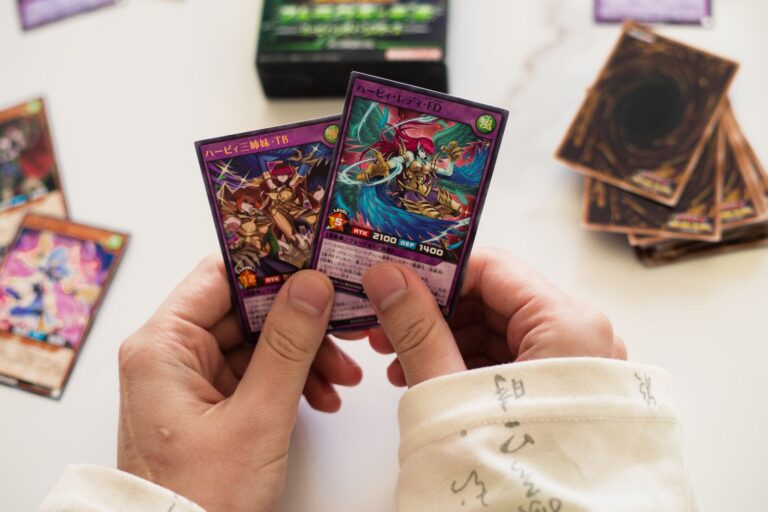
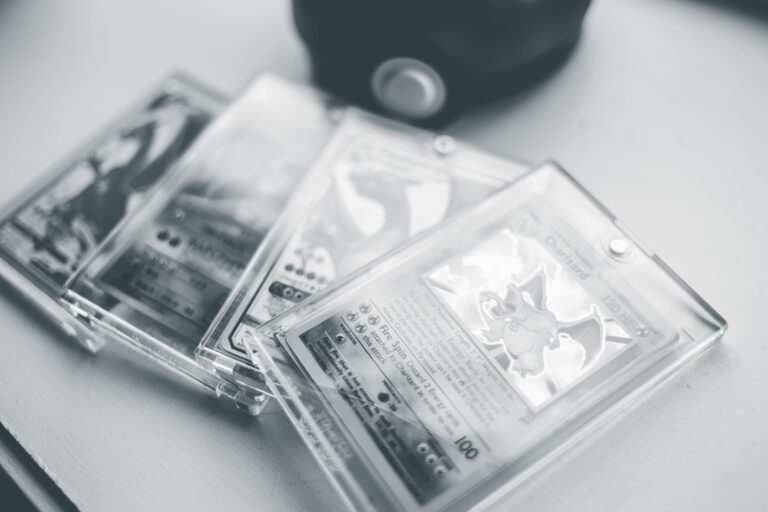
The honest answer is both, but in different ways and at different stages. Young children initially gravitate toward Pokémon cards because of character attachment”they want to hold Pikachu in their hands because they watched Pikachu on screen. However, the ritual of opening packs quickly becomes its own powerful force, sometimes eclipsing the character connection entirely. A six-year-old who started collecting because they loved Charizard may, within months, become more excited about the act of ripping open a booster pack than about any specific card inside. This dual attachment explains why the Pokémon trading card market has remained robust for nearly three decades.
Consider a child who watches the animated series and falls in love with Eevee. They ask for Pokémon cards, expecting to get Eevee. But when they open their first pack and experience that rush of anticipation”the crinkle of foil, the mystery of what’s inside”something shifts. The character was the gateway, but the ritual becomes the engine. This article explores the psychology behind both attachments, how they evolve as children age, when one dominates the other, and what this means for parents navigating the collecting hobby. We’ll examine the dopamine mechanics of pack opening, the role of media in character bonding, and practical considerations for managing a child’s card-collecting enthusiasm.
Table of Contents
- Why Do Children Form Emotional Bonds with Pokémon Characters?
- How Does the Pack-Opening Ritual Create Its Own Psychological Pull?
- At What Age Do Pack-Opening Behaviors Intensify?
- How Media Exposure Shapes Character Preferences in Collectors
- What Are the Warning Signs That Pack Opening Has Become Problematic?
- Single Cards vs. Sealed Packs: What the Preference Reveals
- How Should Parents Navigate These Dual Attachments?
- Conclusion
Why Do Children Form Emotional Bonds with Pokémon Characters?
Children develop attachments to Pokémon characters through what psychologists call parasocial relationships”one-sided emotional connections with media figures that feel genuine and meaningful. A child watching Ash Ketchum’s Pikachu defeat opponents experiences that victory as if it were their own. When they later hold a Pikachu card, they’re not just holding a piece of cardboard; they’re holding a tangible piece of that emotional experience. This character attachment follows predictable patterns based on exposure. Children who watch the anime before encountering cards develop stronger preferences for characters featured prominently in the show.
Those who play the video games first often attach to starter Pokémon or legendaries they caught themselves. A study of children’s media preferences by the University of Michigan found that characters encountered through interactive experiences (games, imaginative play) create stronger bonds than passive viewing alone. The limitation here is that character attachment is inherently narrow. A child obsessed with Gengar may have little interest in the hundreds of other Pokémon. This focused attachment can lead to disappointment when packs don’t contain their favorite, but it also means the hobby can fizzle out if the character loses cultural relevance or the child outgrows that specific interest.

How Does the Pack-Opening Ritual Create Its Own Psychological Pull?
The ritual of opening Pokémon packs activates the brain’s reward pathways in ways that character attachment cannot. Each pack represents variable-ratio reinforcement”the same psychological mechanism behind slot machines. The child doesn’t know what they’ll get, and that uncertainty triggers dopamine release before and during the reveal. The neuroscience is clear: anticipation of a potential reward often produces more dopamine than the reward itself. Pack opening involves multiple sensory touchpoints that deepen engagement.
The weight of the pack in hand, the sound of tearing foil, the smell of fresh ink on cardboard, the visual reveal as cards are fanned out”each element contributes to a ritual that becomes deeply ingrained. Children often develop specific opening routines: some flip cards slowly from back to front, others check the rare slot first, some smell the cards immediately upon opening. However, this ritual attachment carries risks that character attachment does not. Because the dopamine hit comes from the opening itself rather than the result, children can develop patterns resembling compulsive behavior. A child who opens thirty packs and doesn’t pull their favorite card may feel frustrated but still satisfied by the experience of opening”a satisfaction that encourages more pack purchases regardless of outcomes.
At What Age Do Pack-Opening Behaviors Intensify?
Research on children’s reward-seeking behavior suggests that the pack-opening ritual begins to dominate around ages eight to ten. Before this developmental stage, character attachment remains primary; younger children often prefer individual cards of their favorites over sealed packs. A five-year-old might genuinely rather have one guaranteed Squirtle card than three random packs that might not contain Squirtle at all. The shift corresponds to cognitive development around probability understanding and delayed gratification.
When children begin grasping that packs contain random contents with varying rarity, the gambling-adjacent appeal emerges. They start understanding that the shiny card their friend pulled came from an uncertain source, which makes the pursuit more exciting than a guaranteed outcome. One parent documented this transition clearly: their daughter collected Pokémon cards from age four to eleven. Until age seven, she would receive packs and immediately ask if someone could just give her the Eevee cards and keep the rest. By age nine, she refused to let anyone open her packs and would save them for specific moments when she wanted the emotional experience of the reveal.
How Media Exposure Shapes Character Preferences in Collectors
The Pokémon Company understands that character attachment feeds pack sales, which is why they coordinate card releases with anime seasons, movie releases, and video game launches. When a new Pokémon movie features a legendary creature prominently, cards featuring that creature see increased secondary market activity in the weeks surrounding the premiere. For example, when “Pokémon Detective Pikachu” released in 2019, demand for Pikachu cards”which are otherwise common and inexpensive”spiked noticeably. Children who had seen the movie wanted to own that version of the character.
This phenomenon repeats with each major media release, creating cycles where character attachment is essentially engineered through exposure timing. The tradeoff for collectors is that media-driven attachment creates artificial scarcity pressure. If your child becomes attached to a character through a limited theatrical release, the window for capitalizing on that interest (before they move on) may be narrow. Parents sometimes find themselves rushing to find specific products while interest peaks, paying premium prices for cards that would cost significantly less six months later.
What Are the Warning Signs That Pack Opening Has Become Problematic?
The line between healthy hobby engagement and problematic behavior isn’t always obvious, but several indicators suggest the ritual has overtaken reasonable enjoyment. If a child becomes distressed when they cannot open packs”not disappointed, but genuinely anxious or upset”the dopamine cycle may have become too central to their emotional regulation. Similarly, if they show more interest in the act of opening than in the cards themselves, discarding or ignoring the contents immediately after the reveal, the ritual has become disconnected from the hobby. Another warning sign is escalating quantity. A child satisfied by one pack per week who gradually needs three, then five, then more to achieve the same satisfaction is displaying tolerance patterns similar to other reward-seeking behaviors.
This doesn’t mean every child who wants more packs has a problem, but consistent escalation warrants attention. The limitation of these warning signs is that normal childhood enthusiasm can look similar to problematic patterns. Kids get excited. They want more of things they enjoy. The distinguishing factor is flexibility: a child with healthy engagement can accept when packs aren’t available and redirect to other activities. A child for whom the ritual has become compulsive cannot redirect easily and may show behavioral changes when the ritual is unavailable.

Single Cards vs. Sealed Packs: What the Preference Reveals
A child’s preference between buying single cards and sealed packs reveals which attachment currently dominates their engagement. Those primarily attached to characters prefer singles”they can get exactly what they want without waste or disappointment. Those attached to the ritual find singles unsatisfying because they remove the uncertainty and sensory experience entirely.
Many collectors transition between these preferences throughout their collecting lives. A child might start wanting singles of their favorites, shift to pack opening as they understand the hobby better, and eventually return to singles as adults who want specific cards without the randomness. This journey is normal and healthy, suggesting the child is engaging with different aspects of the hobby appropriately for their developmental stage.
How Should Parents Navigate These Dual Attachments?
Understanding that character and ritual attachments are distinct helps parents manage the hobby effectively. For a child primarily attached to characters, buying singles from a local game store or online retailer actually provides more satisfaction per dollar spent. For a child who loves the ritual, setting a sustainable pack-opening schedule (one pack per week, for example) provides the experience they crave without encouraging overconsumption.
The healthiest engagement combines both attachments in balance. A child who appreciates specific characters they collect and enjoys the occasional excitement of a random pack is engaging with the hobby as intended. Problems tend to emerge when one attachment overwhelms the other entirely”either an obsessive focus on a single character that leads to constant disappointment, or a ritual compulsion that treats the cards themselves as disposable byproducts.
Conclusion
Children attach to Pokémon cards through two distinct but interconnected pathways: emotional bonds with characters formed through media exposure, and the powerful psychological ritual of opening randomized packs. Neither attachment is inherently superior or problematic, but they serve different purposes and emerge at different developmental stages. Character attachment provides the gateway into the hobby and gives it personal meaning, while ritual attachment sustains engagement over time and creates the excitement collectors chase.
For parents and collectors alike, recognizing which attachment is driving behavior at any given time enables better decisions about purchasing, collecting habits, and managing expectations. A child who wants Pikachu needs a Pikachu card, not ten packs that might contain Pikachu. A child who wants to open something needs a pack to open, and it almost doesn’t matter what’s inside. Knowing the difference”and knowing that both are valid reasons to engage with the hobby”makes the entire experience more enjoyable and sustainable.