Yes, children today will almost certainly develop nostalgia for their Pokémon card experiences regardless of whether they retain physical possession of their collections. Nostalgia is fundamentally rooted in emotional experiences and sensory memories rather than material ownership. The act of opening packs, trading with friends at lunch, arguing over card values, and the social rituals surrounding collecting create lasting psychological imprints that persist long after the cardboard itself has been lost, sold, or thrown away by well-meaning parents. A child who spends hours sorting cards on their bedroom floor, who feels the rush of pulling a chase card, or who trades away their favorite Pikachu to a best friend is encoding memories that will resurface decades later with surprising emotional force.
Consider the countless adults today who feel powerful nostalgia for Base Set Charizard despite having lost their childhood collections years ago. Many never owned that specific card at all, yet the mere image triggers memories of wanting it, seeing it in a friend’s binder, or spotting it behind glass at a card shop. The experience of desire, anticipation, and community participation creates nostalgic anchors independent of actual possession. This article explores how nostalgia functions psychologically, why the Pokémon card experience creates particularly strong memory formation, and what factors might make today’s collecting experience different from previous generations.
Table of Contents
- What Creates Nostalgia in Children Who Collect Pokémon Cards?
- How Digital Exposure Changes but Does Not Diminish Card Nostalgia
- The Role of Pack Opening Rituals in Memory Formation
- Why Selling or Losing Cards Does Not Erase the Nostalgic Connection
- Potential Barriers to Nostalgia Formation in Current Collecting Culture
- The Influence of Pokémon Media Beyond Cards
- How Future Generations May Remember Today’s Pokémon Card Era
- Conclusion
What Creates Nostalgia in Children Who Collect Pokémon Cards?
Nostalgia operates through a complex interplay of sensory triggers, emotional associations, and social context rather than simple object attachment. When children engage with Pokémon cards, they activate multiple memory systems simultaneously: the tactile sensation of shuffling cards, the visual recognition of artwork, the auditory experience of pack wrappers tearing, and the emotional highs and lows of discovery. These multi-sensory experiences create robust memory traces that become more powerful over time as the brain consolidates them during sleep and revisits them periodically. Research in psychology has historically shown that memories formed during childhood, particularly those associated with strong emotions and social bonding, tend to be among the most persistent and emotionally charged throughout life. The “reminiscence bump” phenomenon indicates that memories from roughly ages 10 to 30 are disproportionately recalled in later life, suggesting that Pokémon card experiences during these formative years have heightened potential for nostalgic significance.
Importantly, the research consistently shows that experiential memories often outlast material possessions in terms of emotional value. The social dimension amplifies this effect considerably. Trading cards with friends, comparing pulls, and discussing strategies creates shared experiences that become woven into broader memories of friendship and childhood. When adults reconnect with childhood friends, Pokémon cards often emerge as a conversational touchstone regardless of whether anyone still owns their collection. The cards served as social currency and bonding mechanism; the nostalgia attaches to what they represented rather than what they were.
How Digital Exposure Changes but Does Not Diminish Card Nostalgia
Today’s children experience Pokémon cards within a dramatically different media ecosystem than previous generations. YouTube pack openings, TikTok reveals, and streaming content mean children may spend considerable time watching others open cards rather than opening them personally. This vicarious participation might seem to dilute the experiential foundation of nostalgia, but evidence suggests it creates its own distinct form of memorable engagement. Children who watch their favorite content creators open packs develop parasocial relationships and shared excitement that parallels traditional collecting experiences. The anticipation of watching a chase card pull, the running jokes within creator communities, and the ritual of tuning in become their own nostalgic anchors.
However, if a child’s engagement remains purely digital with no physical card interaction whatsoever, the nostalgia may attach more to the content creator and platform than to Pokémon cards specifically. The multi-sensory dimension of physical collecting appears to create more durable card-specific memories. The hybrid experience most common today, where children both watch content and handle physical cards at least occasionally, likely produces layered nostalgia. They may feel nostalgic for specific YouTube videos alongside memories of their own pack openings, creating a richer tapestry of associations than either experience alone. This represents a meaningful shift from previous generations but not necessarily a diminishment of nostalgic potential.
The Role of Pack Opening Rituals in Memory Formation
Pack opening represents one of the most psychologically potent aspects of card collecting for nostalgic memory formation. The variable reward schedule mirrors mechanisms that make gambling memorable: the uncertainty of outcome combined with occasional high-value results creates strong dopamine responses that enhance memory encoding. Children remember their significant pulls with remarkable clarity years later, often able to describe exactly where they were and who was present. The ritualistic aspects surrounding pack opening further strengthen these memories. Many collectors develop personal superstitions about how to open packs, which packs to choose, or what actions might influence pulls.
These rituals create a sense of agency and personal investment that transforms a random event into a meaningful experience. A child who always opens packs with their grandfather after school, or who has a specific lucky opening technique, is building memories attached to far more than the cards themselves. Consider the specific example of holiday gift giving: a child who receives Pokémon cards every Christmas morning is embedding card collecting into their deepest family memories. The smell of pine trees, the sound of wrapping paper, the presence of loved ones all become associated with the experience of opening packs. Decades later, even without owning a single card from those mornings, the sight of a Pokémon booster pack may evoke powerful feelings connected to family and childhood innocence.
Why Selling or Losing Cards Does Not Erase the Nostalgic Connection
The separation from physical cards, whether through selling, losing, or parental disposal, often intensifies rather than diminishes nostalgic attachment. Psychological research on loss and memory suggests that objects we no longer possess can become idealized over time. The “lost collection” narrative becomes part of personal mythology, with the absent cards taking on greater significance than they might have retained if still sitting in a dusty closet. Many adult collectors today specifically seek cards they owned as children, paying substantial premiums to recapture something that feels lost. This behavior demonstrates that nostalgia survives and even thrives after physical separation.
The emotional value of a particular card often correlates more strongly with childhood memories than with objective rarity or condition. A common card that happened to be one’s first pull may evoke more nostalgia than a valuable card purchased later. The tradeoff to consider is that while nostalgia persists without physical cards, the ability to share the experience with future generations changes. A parent who kept their childhood collection can show their children the actual cards, creating an intergenerational connection. A parent who sold or lost their collection can only share stories and seek replacements. Both approaches can transmit nostalgic appreciation, but through different mechanisms with different emotional textures.
Potential Barriers to Nostalgia Formation in Current Collecting Culture
While the fundamental mechanisms of nostalgia remain intact, several aspects of contemporary Pokémon card culture could potentially interfere with or alter nostalgic memory formation. The intense focus on monetary value and investment potential may shift how children conceptualize their relationship with cards. If cards are primarily understood as financial assets rather than play objects or collectibles, the emotional associations formed may differ qualitatively from previous generations. The sheer volume and speed of modern set releases presents another consideration. When new products arrive constantly and the “chase” changes every few months, individual cards may struggle to achieve the iconic status that makes them nostalgic anchors.
Children in earlier eras had fewer sets and longer periods to form attachments to specific cards. The Base Set Charizard became legendary partly because it remained the ultimate chase card for years without competition from endless new releases. However, it would be premature to conclude that these factors will prevent nostalgia. Children adapt their memory formation to their cultural context. Just as children of different eras formed nostalgia around different media, today’s children will form genuine nostalgic connections within their own collecting environment. The nostalgia may attach to different specific elements, perhaps to particular influencers, specific chase cards from beloved sets, or the experience of online trading platforms, but the underlying psychological process remains fundamentally human and robust.
The Influence of Pokémon Media Beyond Cards
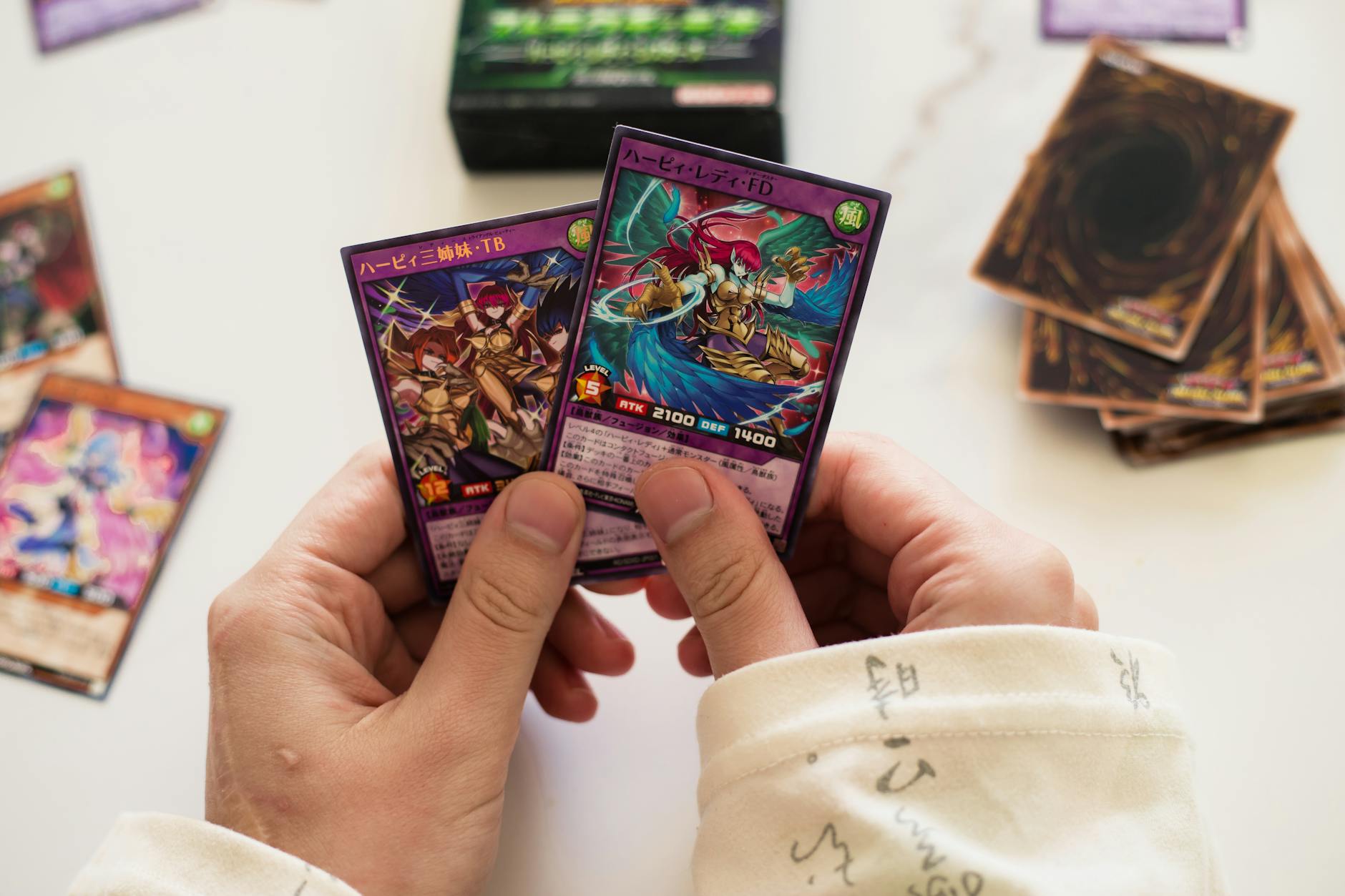
Pokémon cards exist within a broader media ecosystem that reinforces and extends their nostalgic potential. The video games, anime, movies, and merchandise create multiple touchpoints for memory formation, with cards serving as physical manifestations of a larger beloved franchise. A child might remember a specific card not because of the card itself but because it features their favorite Pokémon from the games or a character they loved in the anime.
This multimedia reinforcement means that nostalgia for Pokémon cards often cannot be separated from nostalgia for Pokémon generally. When adults encounter old cards, they may be transported back to memories of playing Red and Blue, watching Ash’s journey, or trading with friends, all simultaneously. The cards serve as concentrated nostalgia triggers for an entire childhood experience that extended far beyond collecting.
How Future Generations May Remember Today’s Pokémon Card Era
Looking forward, today’s children will likely remember this period as a distinctive era in Pokémon card history, characterized by unprecedented mainstream attention, dramatic price speculation, and the integration of digital content with physical collecting. Whether they keep their cards or not, they will have stories about the shortage periods, the grading frenzy, and the cultural moment when Pokémon cards became front-page news.
The specific cards, sets, and experiences that become nostalgic touchstones for this generation remain to be determined by time. Just as the original Base Set defines nostalgia for one generation while EX-era cards define it for another, today’s releases will eventually occupy that same position for current collectors. The pattern suggests that whatever children are experiencing now, even elements that seem mundane or oversaturated, will likely become precious memories given sufficient temporal distance.
Conclusion
The answer to whether children will develop nostalgia for Pokémon cards without keeping them is almost certainly yes. Nostalgia fundamentally operates through experiential memory rather than material possession, and the rich sensory, emotional, and social experiences surrounding card collecting create durable psychological impressions regardless of whether the physical cards remain. The mechanisms that made previous generations nostalgic for their lost or sold collections will function similarly for today’s children.
What may differ is the specific character of that nostalgia. Digital content, investment culture, rapid set releases, and the broader media ecosystem shape the collecting experience in ways that will produce generationally distinct nostalgic memories. Parents and collectors wondering whether to prioritize helping children keep their collections should understand that while physical retention enables certain kinds of future engagement, it is not necessary for nostalgic connection. The experiences themselves, the pack openings, trades, discussions, and shared excitement, constitute the irreplaceable foundation of future nostalgia.
You Might Also Like
- Will Gen Z Ever Feel Nostalgia for Pokémon Cards They Didn’t Grow Up With?
- Will Pokémon Cards Becoming a “Stock Market” Hurt Long-Term Collectibility?
- Will parents buying with their kids create a stronger nostalgia cycle than childhood-only collecting