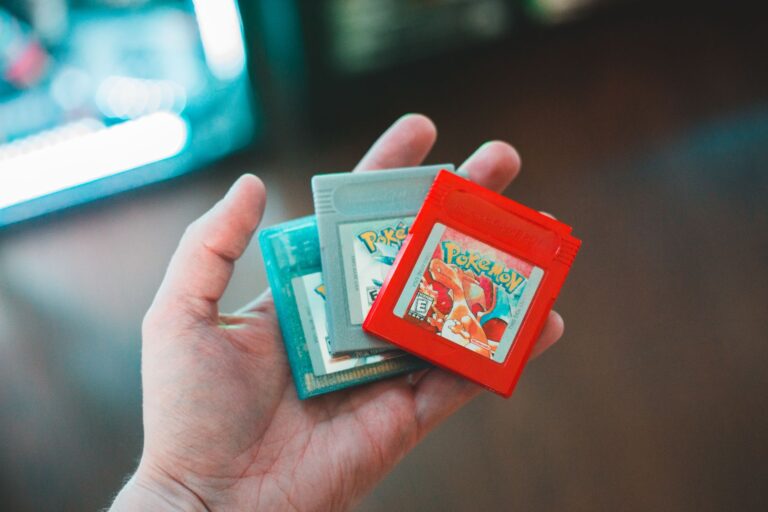
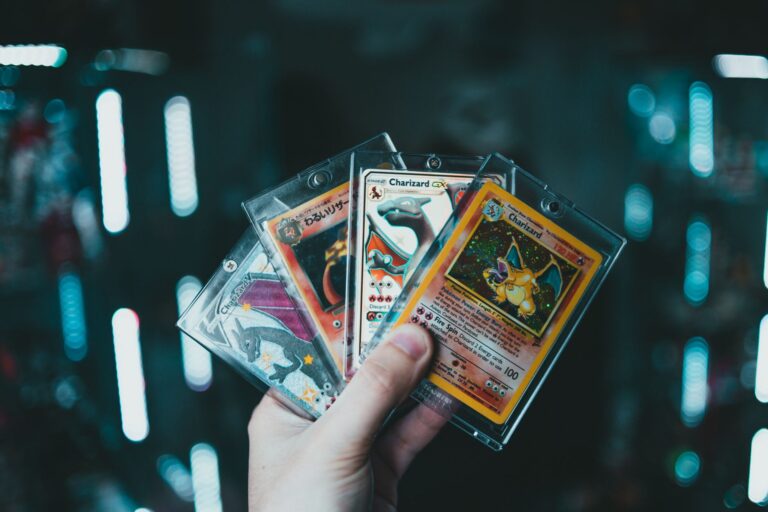
Most Pokemon card collectors get their start between ages 25 and 40, with this demographic now making up 54% of all first-time buyers in the collectibles market as of 2025. While many assume collecting begins in childhood””and initial exposure often does””the data tells a different story. Over 58% of active collectors in the United States fall between ages 25 and 45, and the average card collector is a male between 35 and 44 years old. This pattern reflects a common trajectory: childhood fascination, teenage abandonment, and adult rediscovery with disposable income. The Pokemon TCG presents an interesting case study within this broader trend.
Someone who was 10 years old when Base Set released in 1999 is now in their mid-30s””squarely within that peak collecting demographic. These returning collectors often have both the nostalgia driving their interest and the financial means to pursue cards they could only dream about as kids. A collector who traded away a Charizard on the playground in 1999 might now spend thousands tracking down a graded copy of that same card. This article examines the full lifecycle of collector development, from childhood curiosity through adult re-engagement. We’ll explore why Gen Z and Millennials dominate the current market, how the “lapsed collector” pattern affects Pokemon cards specifically, and what the data suggests about future trends in the hobby.
Table of Contents
- When Do Most Pokemon Card Collectors Actually Start Collecting?
- Why Millennials and Gen Z Dominate the Pokemon Card Market
- The Childhood Foundation: How Early Exposure Shapes Adult Collectors
- How Financial Stability Influences When Collectors Get Serious
- Common Patterns: The “Lapsed Collector” Phenomenon
- Generational Differences in What Gets Collected
- The Future of Collector Demographics
- Conclusion
When Do Most Pokemon Card Collectors Actually Start Collecting?
The question of when collectors “start” requires distinguishing between initial exposure and serious collecting. Children typically develop hobby interests between ages 3 and 5, when curiosity peaks, and by ages 9 to 12, many transition from toys to more structured collecting interests like trading cards. However, this childhood phase rarely constitutes sustained collecting behavior. The more meaningful starting point occurs in adulthood. Survey data from January 2024 shows that those aged 18-24 are most likely to have recently purchased trading cards, suggesting this age range marks the transition from casual interest to active buying.
Meanwhile, collecting as a dedicated pursuit is most popular among Gen Z ages 18-25 (76% participation rate) and Millennials ages 26-41 (72% participation rate). These figures indicate that while exposure happens young, committed collecting typically begins in the late teens or twenties. Coin collectors provide an instructive parallel that applies equally to Pokemon cards. Many start collecting while young, then drop out during their middle teen years””often around the time they get a driver’s license and their priorities shift toward cars, dating, and social activities. They rediscover the hobby once they establish a family and career, usually in their 30s or 40s. This “dormant period” pattern explains why the average active collector skews older than the age of initial interest.

Why Millennials and Gen Z Dominate the Pokemon Card Market
The generational breakdown of today’s collectibles market reveals a clear trend: nearly three-quarters (75%) of art collectors are Millennials or Gen Z according to the 2025 Art Basel and UBS Survey, and trading cards follow similar patterns. The market has seen a 48% rise in millennial collectors, while Gen Z participation has grown 40% faster than other demographics on auction platforms since 2020. For Pokemon specifically, these numbers make sense. Millennials grew up with the original releases and carry genuine nostalgia. Gen Z encountered Pokemon through continued game releases, the mobile game Pokemon GO, and the streaming-era boom that made card openings a spectator sport.
Both generations view collectibles differently than their predecessors””less as mere hobbies and more as alternative investments or cultural artifacts worth preserving. However, these generational statistics come with important caveats. Participation rates don’t equal spending power. While Gen Z shows high engagement, their average transaction sizes typically lag behind older Millennials and Gen X collectors who have accumulated more wealth. A 22-year-old might buy more frequently but spend less per purchase than a 38-year-old chasing high-end vintage cards. Platforms and retailers targeting younger collectors should understand this distinction””volume and value don’t always correlate.
The Childhood Foundation: How Early Exposure Shapes Adult Collectors
Though serious collecting typically begins in adulthood, childhood experiences create the emotional foundation that draws collectors back. The recommended age to start developing hobbies is 3-5 years, when children are naturally curious and eager to explore new activities. Pokemon has deliberately targeted this window for decades, creating generation after generation of kids with early positive associations with the brand. By ages 9-12, children often swap toys for more structured hobbies, sports, and collecting interests.
This is the prime age for Pokemon card engagement””old enough to understand game mechanics and card values, young enough to have the free time and social environment (school, neighborhood friends) that makes trading viable. A fifth-grader might not understand what makes a card valuable in the secondary market, but they understand rarity symbols and which cards their friends want. Consider the collector who received a booster box for their 10th birthday in 2002, pulled a Charizard from Expedition Base Set, and traded it away for a stack of holofoil energies because the energies “looked cooler.” That emotional memory””the excitement of the pull, the regret of the trade””becomes the story they tell 20 years later when they return to the hobby and immediately start hunting Expedition Charizards. Childhood doesn’t produce collectors directly, but it plants seeds that adult circumstances later cultivate.

How Financial Stability Influences When Collectors Get Serious
The relationship between collecting and money explains much of the age distribution data. Average lifetime spending on collectibles reaches $3,964 for general consumers but jumps to $6,131 for self-identified collectors. These aren’t numbers most teenagers or college students can achieve. The 25-40 first-time buyer demographic reflects people who have entered stable careers and can allocate discretionary income to hobbies. High-net-worth collectors allocate on average 20% of their wealth to art in 2025, and notably, Gen Z collectors exceed this at 26% allocation to collectibles.
This higher percentage among younger collectors might seem contradictory to the financial stability argument, but it reflects different attitudes toward traditional versus alternative investments. A 24-year-old might view Pokemon cards as both hobby and investment vehicle in ways a 50-year-old views a 401(k). The tradeoff between starting young versus starting with resources creates different collector profiles. Someone who begins seriously collecting at 22 with limited funds develops skills in finding deals, identifying undervalued cards, and building relationships with other collectors. Someone who enters at 40 with significant capital might skip directly to high-end graded cards but miss the community knowledge that comes from years in the trenches. Neither approach is superior, but they produce different types of collectors with different strengths.
Common Patterns: The “Lapsed Collector” Phenomenon
The lapsed collector pattern””childhood interest, teenage abandonment, adult return””appears consistently across collecting hobbies. Coin collector data shows this explicitly: many start collecting while young, then drop out during middle teen years, only to rediscover the hobby once they establish a family and career. Pokemon cards follow this trajectory almost perfectly. The teenage dropout phase typically coincides with competing priorities. Around ages 14-17, social pressures shift away from “childish” hobbies. Pokemon cards get boxed up, given to younger siblings, or sold at garage sales for pennies on the dollar.
The driver’s license observation from coin collecting research resonates””suddenly there are cars to maintain, jobs to work, and social activities that don’t involve trading cards. Very few people maintain active collections through high school and college. The danger for lapsed collectors returning to Pokemon cards is assuming the market functions as it did during their childhood. A 35-year-old who last bought cards in 1999 might not understand modern set structures, grading standards, or price volatility. They might overpay for nostalgia items or undervalue modern chase cards. The knowledge gap between “I collected as a kid” and “I understand the current market” can be expensive to close. Returning collectors benefit from spending time learning before spending money buying.

Generational Differences in What Gets Collected
While age of entry shows consistent patterns, what different generations collect varies significantly. Gen Z collectors focus more on sneakers, luxury handbags, and collectible sports items alongside trading cards. Millennials show particular interest in design, decorative arts, and jewelry.
These preferences shape how each generation approaches Pokemon cards specifically. Gen Z collectors often view Pokemon cards through a content-creation lens””the unboxing video, the live stream pull, the social media post. The collecting is partially performative, which influences what cards they pursue (dramatic pulls over quiet value) and how they buy (sealed product for openings over singles for sets). A Gen Z collector might value a modern ultra rare they pulled on camera over a vintage card purchased privately, even if the vintage card holds more market value.
The Future of Collector Demographics
Looking forward, the data suggests collecting will continue trending younger while maintaining strong participation from established age groups. Gen Z’s 40% faster growth rate on auction platforms since 2020 indicates they’re not just browsing””they’re buying and selling at increasing rates. As this generation ages into higher earning years, their already-high engagement should translate into greater market influence.
Pokemon specifically benefits from a perpetual nostalgia machine. Each generation of children exposed to the franchise becomes a future pool of adult collectors. The 8-year-old opening Scarlet and Violet packs today will likely follow the same lapsed-and-return pattern, re-entering the hobby in their late 20s or 30s with disposable income and childhood memories to chase. The question isn’t whether new collectors will emerge, but whether the market can sustain the participation rates seen during the 2020-2021 boom or will settle into more modest long-term growth.
Conclusion
The data paints a clear picture: while Pokemon card interest often begins in childhood, serious collecting typically starts between ages 25 and 40. This demographic represents 54% of first-time buyers and over 58% of active collectors. The pattern of childhood exposure, teenage abandonment, and adult return appears consistently across collecting hobbies and explains why the average card collector falls in the 35-44 age range despite Pokemon being marketed primarily to children. For those considering entering the hobby””or returning after years away””understanding these patterns provides useful context.
You’re not unusual if you stopped collecting at 14 and felt the pull again at 32. You’re the statistical norm. The key is approaching adult collecting with adult expectations: more financial resources but also more competition, a more complex market, and the need to balance hobby spending against other life priorities. Whether you’re a Gen Z collector just starting out or a Millennial rediscovering childhood cards, the community has room for collectors at every stage of the journey.