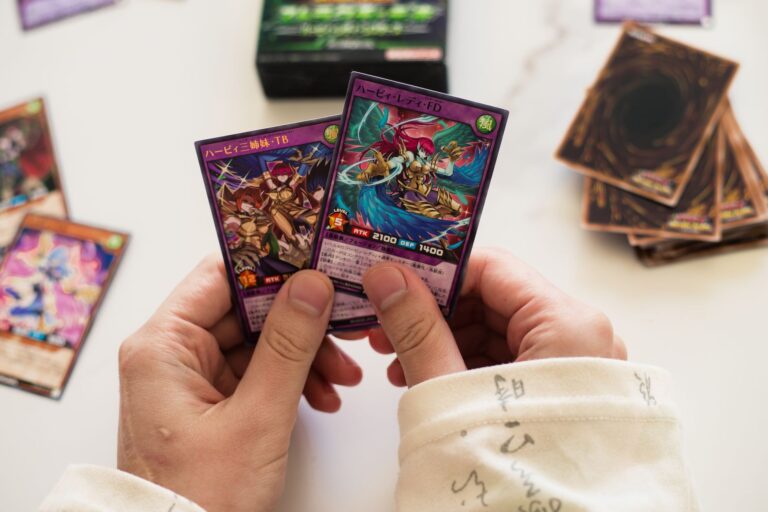
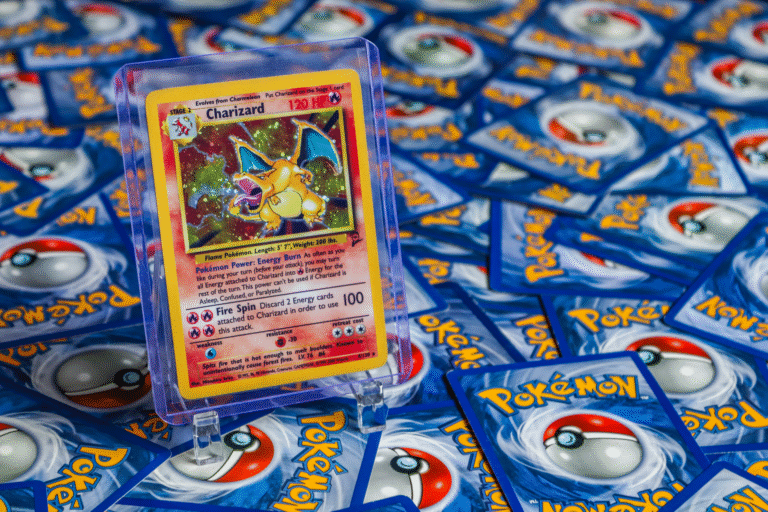
Yes, there is compelling evidence that a generational relay is underway in Pokémon card collecting, with Millennials”who grew up during the franchise’s 1990s explosion”now introducing their own children to the hobby. This transfer appears to be happening organically through family bonding, strategic marketing by The Pokémon Company, and the unique position of Pokémon as one of the few collectibles that spans three decades while remaining culturally relevant. A parent who treasured their Base Set Charizard in 1999 might now be opening packs with their eight-year-old, creating a shared experience that neither vintage baseball cards nor Beanie Babies achieved across generations.
However, this relay is not a simple handoff. Gen Alpha is encountering a radically different collecting landscape than their Millennial parents did”one shaped by grading services, YouTube pack openings, online marketplaces, and a secondary market that didn’t exist when the first Pokémon cards hit American shelves. The hobby their parents knew, built on trading with neighborhood kids and stuffing unsleeved cards into shoeboxes, has evolved into something simultaneously more accessible and more complex. This article explores how this generational transfer is happening, what challenges it faces, how the market has adapted, and what it means for the future of Pokémon card collecting and values.
Table of Contents
- How Are Millennials Passing the Pokémon Hobby to Gen Alpha?
- What Makes This Generational Transfer Different from Other Collectibles?
- The Role of Social Media and Content Creators in Bridging Generations
- How Should Families Approach Collecting Together?
- Challenges and Limitations of the Generational Relay
- The Investment Perspective Across Generations
- What the Generational Relay Means for Pokémon’s Future
- Conclusion
How Are Millennials Passing the Pokémon Hobby to Gen Alpha?
The transfer mechanism is remarkably personal compared to most collectibles markets. Millennials who collected Pokémon cards between 1998 and 2003 are now largely in their thirties and forties, many with children in Gen Alpha (born roughly 2010-2024). Unlike collecting hobbies that parents abandon entirely, Pokémon maintained cultural presence through video games, animated series, and Pokémon GO, keeping it in Millennial consciousness even during periods of reduced card collecting activity. The introduction typically happens through shared media first. A Millennial parent might show their child the original anime series, play Pokémon games together, or simply have their old binder of cards discovered in a closet.
From there, the progression to active collecting often follows naturally. What makes this transfer unusual is its bidirectional nature”children bring enthusiasm and fresh eyes, while parents provide context, purchasing power, and sometimes literal inherited collections. This creates a dynamic where both generations participate actively rather than one simply inheriting a static collection. Anecdotal reports from card shops and online communities suggest that family collecting has become a noticeable segment of the customer base, particularly since the pandemic-era collecting surge. Parents and children attending local tournaments, opening packs together on camera for family YouTube channels, or building matching collections represent a pattern distinct from previous generations of collectibles.
What Makes This Generational Transfer Different from Other Collectibles?
Pokémon occupies a unique position in collectibles history because the franchise never truly went dormant. Baseball cards experienced boom-and-bust cycles that created generational gaps. Comic books saw periods where children largely abandoned the medium. But Pokémon continuously released new cards, games, and media, meaning there was never a generation-long pause that would have severed the connection between Millennial collectors and the brand. The Pokémon Company has actively cultivated this multigenerational appeal. Products like special anniversary sets deliberately include reprints or callbacks to original artwork, giving Millennial parents nostalgic touchstones while introducing those designs to Gen Alpha.
This strategy creates shared reference points”a parent can explain why Charizard matters while the child experiences it through contemporary products. However, this approach has limitations. If nostalgia-baiting becomes too dominant, it risks alienating Gen Alpha collectors who want their own defining cards rather than constant references to an era they didn’t experience. The market infrastructure has also evolved to support family collecting in ways that weren’t possible in the 1990s. Online price guides, authentication services, and organized play create entry points for children while offering depth for parents who want to engage more seriously. A family can casually collect together or pursue competitive play and investment-grade cards depending on their interest level.
The Role of Social Media and Content Creators in Bridging Generations
YouTube, TikTok, and streaming platforms have become unexpected facilitators of the generational relay. Pack opening videos, which might seem repetitive to outside observers, serve as shared entertainment for parents and children. A family watching a popular creator open vintage packs provides both nostalgia for the parent and excitement for the child, creating common ground that transcends the age gap. Content creators have also democratized knowledge that was once tribal or inaccessible. A Gen Alpha collector can learn about card grading, set histories, and market dynamics through videos rather than requiring a mentor or years of experience.
This accelerates their sophistication as collectors while allowing Millennial parents to update their own understanding of a hobby that has changed substantially since their childhood. The creator economy around Pokémon cards has normalized collecting as entertainment rather than a niche pursuit, making it easier for families to participate openly. For example, family-oriented channels where parents and children open packs together have found substantial audiences, suggesting genuine interest in this multigenerational dynamic. These creators model the shared collecting experience for viewers, potentially inspiring similar participation. However, the influence of content creators isn’t uniformly positive”the emphasis on expensive pulls and rare cards can create unrealistic expectations for young collectors accustomed to seeing $50,000 cards on screen.

How Should Families Approach Collecting Together?
The multigenerational collecting experience works best when expectations are calibrated to the participants. A common friction point emerges when Millennial parents, aware of secondary market values, impose investment-minded restrictions on children who simply want to play with or trade their cards. The child who wants to bring their cards to school faces a parent who remembers the value of their own childhood collection and hesitates to let potentially valuable cards leave the house. Successful family collecting often involves creating separate categories”perhaps sealed product or specific cards designated as long-term holds, with the remainder available for the child to use as actual game pieces or trade fodder. This teaches collecting principles while allowing the immediate gratification that makes the hobby enjoyable for younger collectors.
The tradeoff is accepting that some value may be lost to played-condition cards or unfavorable trades, balanced against the relationship-building and genuine hobby engagement that results. Budget management presents another consideration. Modern Pokémon products span a wide price range, from affordable single packs to premium boxes costing several hundred dollars. Families must navigate children’s desires against financial reality, complicated by the gambling-adjacent excitement of pack opening. Setting clear boundaries around collecting budgets”and demonstrating that the hobby can be enjoyed at various spending levels”helps establish sustainable patterns rather than boom-and-bust enthusiasm.
Challenges and Limitations of the Generational Relay
The generational transfer faces several structural challenges that could limit its completeness. Market saturation represents a significant concern”The Pokémon Company produces far more cards annually than in the 1990s, potentially diluting the scarcity that drove vintage card values. Gen Alpha may inherit a hobby where their childhood cards never achieve the collectible status their parents’ cards did, simply because print runs are larger and preservation knowledge is more widespread. Attention competition also threatens the relay’s success. Gen Alpha has access to entertainment options that didn’t exist for Millennial children”video games are more immersive, social media provides infinite distraction, and collecting physical objects may feel antiquated compared to digital alternatives.
While current indicators suggest strong youth engagement with Pokémon cards, sustained interest through adolescence and into adulthood isn’t guaranteed. Many Millennial collectors experienced a gap of a decade or more between childhood collecting and adult re-engagement; Gen Alpha may follow similar patterns, or they may abandon physical cards entirely for digital alternatives. There’s also the question of whether Millennial enthusiasm is transferring or merely co-existing with Gen Alpha interest. Some market observers suggest that Millennial collectors are primarily driving prices on vintage and nostalgia-oriented products, while Gen Alpha engages with contemporary sets that operate on different value dynamics. If true, the generational relay may be less a handoff and more two parallel hobbies sharing a brand name.

The Investment Perspective Across Generations
Millennial collectors who’ve witnessed the dramatic appreciation of certain vintage cards naturally wonder whether teaching their children to collect creates future value. This calculation involves significant uncertainty. The factors that made 1990s Pokémon cards valuable”limited print runs, widespread childhood damage reducing surviving specimens, and a massive nostalgia-driven collector base”may not replicate for current production.
Gen Alpha collectors who properly store and grade their childhood cards might find themselves holding abundant supply competing for limited demand decades from now. Alternatively, if Gen Alpha develops the same nostalgic attachment Millennials did, demand could support prices despite higher survival rates. Investment-focused family collecting requires acknowledging this uncertainty rather than assuming current patterns will continue indefinitely.
What the Generational Relay Means for Pokémon’s Future
If the generational relay succeeds, Pokémon cards could achieve something rare in collectibles: self-perpetuating relevance across multiple generations. Each generation introduces the next, creating an ongoing cycle that sustains both the hobby and the market.
This would represent a significant competitive advantage over collectibles that depend on finite nostalgia windows. The Pokémon Company’s continued investment in organized play, new products, and multimedia content suggests confidence in this multigenerational strategy. Whether Gen Alpha eventually passes the hobby to their own children”potentially Generation Beta”will be the ultimate test of whether this relay becomes a permanent feature of Pokémon culture or a two-generation phenomenon that eventually fades.
Conclusion
The evidence suggests that a genuine generational relay is occurring between Millennial collectors and Gen Alpha, facilitated by Pokémon’s unique cultural persistence, deliberate corporate strategy, and the personal connections that form when parents share childhood passions with their children. This transfer is happening through family collecting experiences, shared media consumption, and a market infrastructure that accommodates participants of all ages and commitment levels. However, this relay isn’t automatic or guaranteed to produce collectors with identical characteristics.
Gen Alpha encounters a different market, different products, and different cultural context than their parents did. The hobby they inherit has been transformed by grading services, online marketplaces, content creators, and investment consciousness. Whether this evolution strengthens or ultimately disrupts the generational transfer remains to be seen, but the current trajectory suggests Pokémon cards have achieved something remarkable: the potential for collecting traditions that span not just years, but generations.