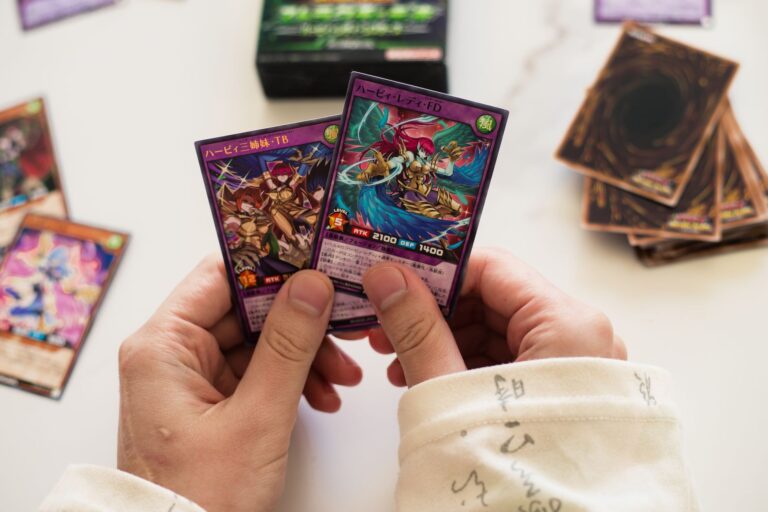
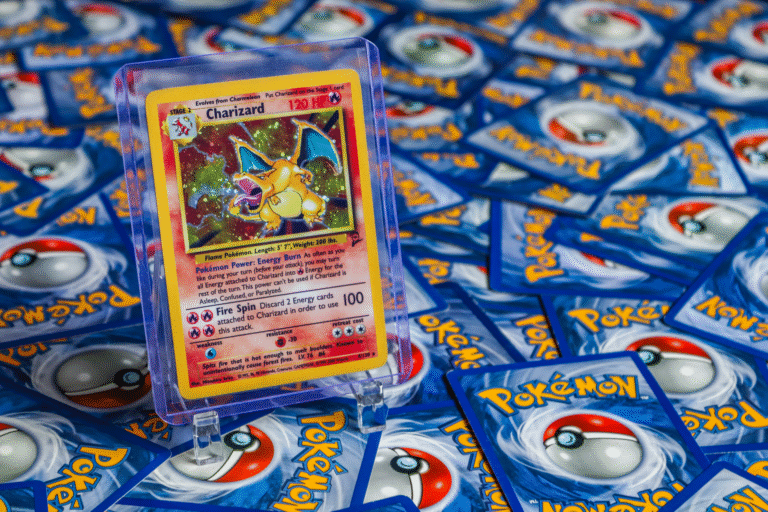
Yes, family pack-opening traditions are likely to increase long-term demand for sealed Pokemon product, though the magnitude of this effect remains difficult to quantify. The ritual of opening packs together””whether during holidays, birthdays, or regular family game nights””creates emotional associations that transform sealed product from mere collectibles into vehicles for memory-making. When children who grew up ripping packs with their parents become adults with disposable income, they tend to seek out the products that defined those experiences, driving demand for both vintage sealed product and current releases that they hope will carry similar nostalgic weight for their own families. Consider the phenomenon of Base Set booster boxes, which have appreciated dramatically over the past decade.
While speculation and investment certainly play roles, collectors frequently cite childhood memories as their primary motivation for pursuing sealed vintage product. A collector who opened Base Set packs with siblings in 1999 isn’t just buying cardboard””they’re attempting to recapture or preserve a specific feeling. This emotional dimension creates demand that persists even when the “rational” investment case weakens. This article examines how family traditions around pack opening influence sealed product markets, the limitations of relying on nostalgia-driven demand, which product types benefit most from this phenomenon, and how collectors can think critically about the intersection of sentiment and speculation.
Table of Contents
- How Do Family Pack-Opening Traditions Create Emotional Value in Sealed Product?
- Which Sealed Products Benefit Most From Nostalgic Family Demand?
- The Generational Cycle of Pokemon Collecting and Sealed Product Demand
- How Collectors Can Evaluate Nostalgia-Driven Sealed Product
- The Risk of Overestimating Nostalgia’s Market Impact
- The Role of Social Media in Amplifying Family Pack-Opening Culture
- Looking Ahead: Will Future Generations Continue Pack-Opening Traditions?
- Conclusion
How Do Family Pack-Opening Traditions Create Emotional Value in Sealed Product?
The psychology behind pack opening as a family activity taps into several powerful forces: shared anticipation, communal celebration of pulls, and the creation of stories that get retold for years. Unlike solo pokemonpricing.com/does-collecting-with-your-kids-create-longer-holding-periods-and-reduce-future-supply/” title=”Does collecting with your kids create longer holding periods and reduce future supply”>collecting, family pack opening transforms the experience into a social ritual with witnesses. When a child pulls a chase card while surrounded by cheering relatives, that moment becomes part of family lore in ways that solitary collecting cannot replicate. This emotional encoding has direct market implications.
Sealed product that served as the backdrop for meaningful family moments carries what economists might call “sentimental premium”””value that exists independent of the cards inside. A sealed booster box from a set that a collector associates with happy childhood memories may be worth more to that specific buyer than market price would suggest, and when enough collectors share similar associations with certain products, that premium becomes reflected in broader market prices. However, the strength of this effect varies considerably by product era and availability. Sets released during periods when Pokemon was culturally dominant””the late 1990s through early 2000s, and the 2020-2021 boom””tend to carry stronger nostalgic associations simply because more families were participating. Products from quieter periods in the hobby’s history may not benefit from this phenomenon to the same degree, regardless of their objective quality or scarcity.
Which Sealed Products Benefit Most From Nostalgic Family Demand?
Holiday-themed and special occasion products historically see outsized nostalgic demand because they align naturally with family gathering times. Products released in the fourth quarter, positioned as gifts, tend to become embedded in holiday memories. Tins, collection boxes, and premium sets marketed toward gift-giving occasions create natural touchpoints for family traditions in ways that standard booster releases may not. The accessibility of a product also matters significantly.
Products that were widely available and affordable enough for casual family purchases””like three-pack blisters or small collection boxes””often generate broader nostalgic demand than ultra-premium products that fewer families experienced together. A product doesn’t need to be rare to carry emotional weight; it needs to have been present during formative moments for a large cohort of collectors. Conversely, products that were primarily purchased by serious collectors or speculators during their retail availability may not benefit from family nostalgia effects. If a product was too expensive or limited for typical family purchases, fewer shared memories exist to drive future emotional demand. This creates an interesting dynamic where mid-range products sometimes outperform expectations based purely on nostalgic demand, while premium products rely more heavily on traditional scarcity-based valuation.
The Generational Cycle of Pokemon Collecting and Sealed Product Demand
Pokemon has now existed long enough to observe multiple generational cycles of collectors entering and re-entering the hobby. Adults who collected as children in the late 1990s began returning to the hobby in meaningful numbers during the mid-2010s, often bringing their own children into collecting. This created a compounding effect: parents buying sealed product both to recreate their childhood experiences and to establish new traditions with the next generation. This generational cycling suggests that demand for sealed product may be somewhat self-reinforcing over time. Each generation that experiences pack opening as a family activity becomes a future cohort of adults with both nostalgic attachment and the financial means to act on it.
As of recent reports, the Pokemon TCG has maintained strong sales across multiple product categories, suggesting that new family traditions continue to form even as the franchise approaches three decades of existence. The limitation here is that generational cycling isn’t guaranteed to continue indefinitely at the same intensity. Cultural relevance can fade, competing hobbies emerge, and economic conditions affect discretionary spending on collectibles. Families establishing pack-opening traditions today are making an implicit bet that Pokemon will maintain sufficient cultural presence for those traditions to carry emotional weight decades from now. Historically, Pokemon has demonstrated remarkable staying power, but past performance doesn’t guarantee future cultural relevance.

How Collectors Can Evaluate Nostalgia-Driven Sealed Product
For collectors considering sealed product as either a hobby purchase or potential store of value, understanding the nostalgia component requires honest self-assessment. Ask whether you’re drawn to a particular sealed product because of genuine personal memories, because you believe others have those memories, or because of speculation about future demand. These are different motivations that warrant different approaches. If personal nostalgia drives your interest, the “investment” case becomes secondary to the emotional value you’re already receiving from ownership.
A collector who keeps a sealed booster box because it reminds them of childhood Christmases with grandparents is already extracting value from that product regardless of market price movements. For these collectors, the question of whether to open or keep sealed becomes deeply personal rather than financial. If you’re evaluating sealed product based on anticipated nostalgia-driven demand from others, you’re essentially making demographic predictions about future collector behavior. This requires considering which age cohorts associate which products with meaningful memories, whether those cohorts will have disposable income and interest in acting on nostalgia, and how supply dynamics interact with demand. This is significantly more speculative than it might appear, and collectors should be skeptical of confident predictions about which sealed products will appreciate based on nostalgia alone.
The Risk of Overestimating Nostalgia’s Market Impact
While family traditions unquestionably create emotional connections to sealed product, the hobby periodically experiences corrections when nostalgic demand fails to meet speculative expectations. Not every product that evokes warm memories translates to sustained market premiums, particularly when supply is more abundant than collectors realize. Modern Pokemon products are printed in substantially larger quantities than vintage releases, which creates a fundamental tension with nostalgia-based speculation. A product can be deeply meaningful to millions of families while simultaneously remaining available in sufficient supply to prevent significant price appreciation.
The sealed product market has historically rewarded collectors who understood the distinction between emotional value and market scarcity. Collectors should also be cautious about projecting their own nostalgic attachments onto the broader market. The sets and products that defined your family’s traditions may not resonate with other collectors, and vice versa. Regional variations in product availability, different family economic circumstances, and simple timing differences mean that nostalgic demand is more fragmented than it might appear from any individual perspective.

The Role of Social Media in Amplifying Family Pack-Opening Culture
Platforms that allow sharing of pack-opening moments have transformed what was once a private family activity into a potentially public performance. Family pack-opening videos and posts create both documentation of traditions and influence on others to establish similar rituals. This amplification effect may accelerate the formation of nostalgic associations with current products.
The long-term implications of this documentation remain unclear. Children growing up with recorded pack-opening memories may have stronger or more accessible nostalgic connections to specific products than previous generations who relied on unrecorded recollections. Alternatively, the ubiquity of such content might dilute its specialness. As of now, this represents a genuine unknown in predicting how current family traditions will translate to future sealed product demand.
Looking Ahead: Will Future Generations Continue Pack-Opening Traditions?
The sustainability of family pack-opening traditions depends on factors beyond the Pokemon Company’s control: economic conditions affecting discretionary spending, competition for family leisure time, and evolving attitudes toward physical collectibles in an increasingly digital world. The Pokemon TCG has demonstrated adaptability through digital integration and consistent product innovation, which suggests institutional commitment to maintaining the physical collecting experience.
For sealed product demand specifically, the outlook depends heavily on whether the emotional resonance of pack opening persists across delivery methods and product types. If future products maintain the tactile, suspenseful experience that makes pack opening memorable, family traditions should continue forming. If digital alternatives capture more of the collecting experience, the specific appeal of sealed physical product may diminish for newer generations, potentially limiting nostalgic demand to older products and cohorts.
Conclusion
Family pack-opening traditions do appear to contribute to long-term sealed product demand by creating emotional associations that persist into adulthood and drive purchasing behavior decades after initial formation. This effect is most pronounced for products that were widely accessible during periods of high Pokemon cultural relevance, particularly those associated with holidays and gift-giving occasions.
However, collectors should approach nostalgia-driven sealed product with appropriate skepticism about market implications. Emotional value and market value are related but distinct concepts, and the abundance of modern sealed product may limit appreciation potential regardless of how many fond memories attach to specific releases. The wisest approach treats family pack-opening traditions as valuable for their own sake while maintaining realistic expectations about how sentiment translates to market dynamics.