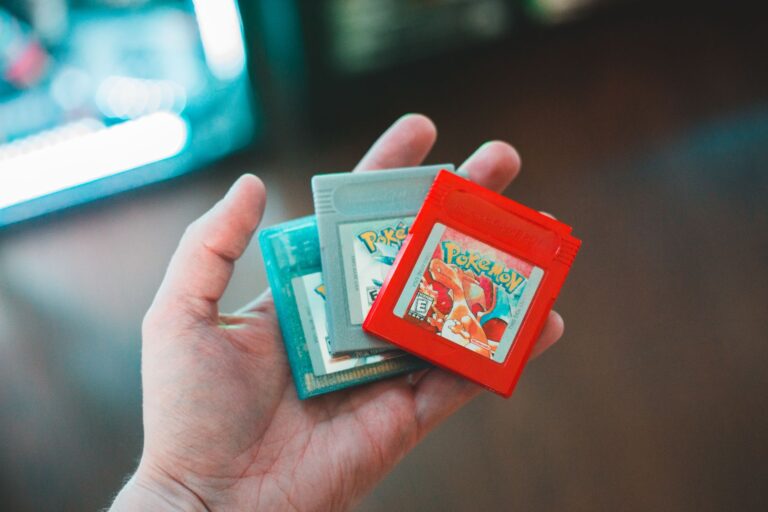
The millennial nostalgia wave will likely be one of the most significant drivers of Pokémon card demand over the next two decades, but calling it the single biggest factor oversimplifies a complex market. Millennials”roughly those born between 1981 and 1996″represent the generation that experienced Pokémon’s explosive 1999 debut firsthand, and many are now entering their peak earning years with disposable income and a desire to reconnect with childhood memories. This demographic shift has already fueled substantial price increases for vintage cards from the Base Set through early Neo-era expansions, and that momentum shows no signs of stopping as more millennials hit financial milestones like paying off student loans or receiving inheritances. However, the 20-year outlook requires acknowledging competing forces.
Gen Z collectors are developing their own attachment to modern-era cards, particularly from the Sword & Shield and Scarlet & Violet sets. Meanwhile, The Pokémon Company’s ongoing ability to attract new young fans ensures fresh demand pipelines. The millennial wave is powerful and measurable, but it operates alongside generational cycling, cultural relevance, and the franchise’s continued media presence. This article examines the demographic mechanics behind millennial collecting behavior, explores competing demand drivers, identifies risks to the nostalgia thesis, and offers perspective on how collectors might position themselves for long-term market dynamics.
Table of Contents
- What Is the Millennial Comeback Wave and Why Does It Matter for Pokémon Demand?
- Are Millennials Really the Biggest Factor, or Is This Overstated?
- The Inheritance and Wealth Transfer Factor
- How Should Collectors Position for Millennial-Driven Demand?
- What Could Go Wrong With the Millennial Demand Thesis?
- The Role of Condition and Grading in Long-Term Value
- Looking Beyond Millennials”The 20-Year Horizon
- Conclusion
What Is the Millennial Comeback Wave and Why Does It Matter for Pokémon Demand?
The “millennial comeback wave” describes the phenomenon of adults in their late 20s to early 40s returning to hobbies and collectibles from their childhood, now armed with adult purchasing power. For Pokémon, this manifests as former players and collectors re-entering the market to acquire cards they once owned, always wanted, or never could afford as children. This pattern follows a well-documented nostalgia cycle that typically peaks when a generation reaches their mid-30s to mid-40s”precisely where millennials sit today and will continue moving through over the next decade. The financial dynamics are significant. Historically, millennials faced delayed wealth accumulation compared to previous generations due to student debt, the 2008 recession’s lasting effects, and housing affordability challenges.
As these headwinds gradually ease”or as millennials simply age into higher-earning career phases”more discretionary income becomes available for collectibles. A 35-year-old who traded away their childhood Charizard in 2001 and now earns a stable professional salary represents exactly the buyer profile driving current vintage market activity. Comparatively, no other generation has the same relationship with Pokémon’s original era. Gen X was largely too old for the initial craze, while Gen Z’s formative Pokémon experiences came through later games and card expansions that haven’t yet achieved the same vintage status. This creates a concentrated demand pool for cards from 1999-2003, the years when millennials’ Pokémon engagement peaked. The 2020-2021 market surge, while influenced by pandemic stimulus and broader collectibles speculation, demonstrated how quickly millennial demand could move prices when activated.
- —

Are Millennials Really the Biggest Factor, or Is This Overstated?
While the millennial thesis has merit, several factors suggest it may not dominate the next 20 years as completely as some predict. The Pokémon franchise’s continued cultural production”new games, television content, and card expansions”creates ongoing attachment points for younger generations. A child who falls in love with Pokémon Scarlet and Violet today will be in their early 30s in 2045, potentially creating a similar nostalgia wave for cards being printed now. However, if The Pokémon Company’s media output declines significantly or the franchise loses cultural relevance, the millennial-era cards could appreciate more dramatically as the last products of Pokémon’s cultural peak. This represents the key uncertainty in the 20-year forecast: does Pokémon remain a continuously renewed franchise, or does it gradually fade like many entertainment properties eventually do? The former scenario distributes demand across multiple eras, while the latter concentrates long-term value in the original sets that millennials prize most.
There’s also the question of market saturation. As PSA, CGC, and BGS have graded millions of vintage cards over the past several years, the supply of authenticated high-grade examples has expanded substantially. Price appreciation requires demand growth to outpace this increased supply visibility. For true investment-grade cards”gem mint examples of chase cards”supply remains genuinely scarce. But for mid-grade vintage cards, the millennial demand wave faces more abundant supply than commonly acknowledged.
- —
The Inheritance and Wealth Transfer Factor
One underappreciated element of the millennial demand thesis involves intergenerational wealth transfer. Over the next 20 years, millennials stand to inherit substantial assets from Baby Boomer parents”often described as the largest wealth transfer in history. While much of this capital will go toward housing, debt repayment, and retirement savings, a portion typically flows toward discretionary purchases including collectibles. A specific pattern worth noting: collectors who receive inheritances often make significant acquisitions within one to two years of the windfall.
For Pokémon cards, this could mean periodic demand surges as inheritance events trigger purchasing activity among collectors who previously wanted high-end cards but couldn’t justify the expense. A millennial collector who has admired a PSA 10 1st Edition Charizard for years might finally pull the trigger after receiving a $50,000 inheritance. This dynamic creates potential for lumpy demand rather than smooth appreciation curves. Market watchers might observe periods of relative price stability punctuated by sharp upward movements as inheritance-driven buyers enter the market. For collectors trying to time purchases, this suggests that waiting for dips could be rewarded, but sustained price drops may be quickly absorbed by wealth-transfer-enabled buyers waiting on the sidelines.
- —

How Should Collectors Position for Millennial-Driven Demand?
Collectors seeking to benefit from millennial nostalgia demand face a tradeoff between concentration and diversification. Concentrating holdings in the most iconic millennial-era cards”Base Set Charizard, 1st Edition holos, early promotional cards”offers the most direct exposure to this demographic’s purchasing patterns. However, these cards already carry substantial premiums reflecting their recognized status. A more nuanced approach involves identifying cards with strong millennial resonance that haven’t yet reached peak recognition. Gym Heroes and Gym Challenge sets, for instance, connect to a specific moment in Pokémon’s trajectory that many millennials remember fondly but that haven’t achieved Base Set’s price levels.
Similarly, the e-Reader series cards from 2002-2003 represent the tail end of many millennials’ active collecting periods and remain relatively undervalued compared to earlier sets. The comparison worth considering: paying a significant premium for already-recognized trophy cards versus acquiring larger positions in sets with authentic millennial connection but lower current valuations. Both strategies have validity depending on risk tolerance and time horizon. Trophy cards offer more liquidity and established markets but less potential upside percentage-wise. Secondary millennial-era sets offer higher risk but potentially stronger percentage returns if the nostalgia wave eventually reaches them.
- —
What Could Go Wrong With the Millennial Demand Thesis?
Several scenarios could undermine millennial-driven demand over the next two decades. Economic downturns affecting millennial wealth accumulation would directly impact discretionary collectibles spending. If housing costs, healthcare expenses, or supporting aging parents consumes more millennial income than projected, the expected purchasing power may not materialize. Generational taste shifts present another risk. Millennials currently in their 30s may find their nostalgia attachment fading as they enter their 50s and 60s.
Research on collecting behavior suggests peak nostalgia-driven purchasing occurs during middle age, potentially meaning the millennial wave crests in the next 10-15 years rather than continuing for a full 20. Collectors assuming perpetual demand growth should consider that millennial interest could plateau or decline in the 2040s. A more specific warning: the assumption that millennial demand guarantees vintage card appreciation ignores the possibility of value migration. If millennials’ children develop strong attachment to their parents’ cards as family heirlooms, those cards may transition from investment assets to sentimental keepsakes rarely traded on the open market. This would reduce liquidity even as emotional attachment increases, creating a paradox where cards become more valued but less valuable in market terms.
- —

The Role of Condition and Grading in Long-Term Value
For millennial-driven demand to translate into sustained price appreciation, condition hierarchy will likely become more pronounced. As sophisticated collectors with research capabilities and professional grading access dominate the buyer pool, the premium for top-grade examples should expand relative to lower grades. This represents a shift from the childhood collecting mentality, where any version of a favorite card held value, to adult collector standards emphasizing condition.
A practical example illustrates this point: a PSA 7 Base Set Charizard and a PSA 10 version represent the same card but occupy entirely different market segments. The millennial who received a well-worn Charizard as a birthday gift in 1999 may satisfy nostalgia by acquiring a similar mid-grade example. But the millennial using collectibles as an investment vehicle will pursue gem mint examples competing against other financially sophisticated buyers. Over 20 years, this bifurcation could mean that condition premiums widen substantially, with top-grade examples appreciating while lower grades stagnate.
- —
Looking Beyond Millennials”The 20-Year Horizon
The most honest assessment of the next 20 years acknowledges that predicting collectibles markets across such timeframes involves substantial uncertainty. Millennials will almost certainly be a major demand driver, but so will factors that cannot be known today: the success of future Pokémon media, the emergence of new collecting technologies, shifts in how younger generations value physical versus digital collectibles, and broader economic conditions affecting discretionary spending. What seems most likely is that millennial demand provides a strong foundation for vintage Pokémon card values through at least the mid-2030s.
Beyond that point, the picture becomes genuinely unclear. Collectors with 20-year horizons should treat the millennial thesis as one important input rather than a guarantee. Building collections around personal enjoyment while remaining mindful of market dynamics offers a more sustainable approach than pure speculation on demographic trends that extend beyond reasonable forecasting ability.
- —
Conclusion
The millennial comeback wave represents a powerful and legitimate force in the Pokémon card market, driven by demographic timing, increasing disposable income, and genuine emotional connection to the franchise’s original era. For vintage cards from 1999-2003, millennial demand has already proven its ability to move prices and will likely continue doing so as this generation moves through peak collecting years over the next decade or more.
However, declaring millennial nostalgia the definitive biggest driver over a full 20-year period requires more certainty than the evidence supports. Competing factors including continued franchise vitality, generational succession, condition premiums, and unpredictable economic conditions will all influence market dynamics. Collectors are best served by understanding the millennial thesis as a significant but not exclusive factor, building collections that balance nostalgia, investment potential, and personal satisfaction rather than betting entirely on any single demand driver.