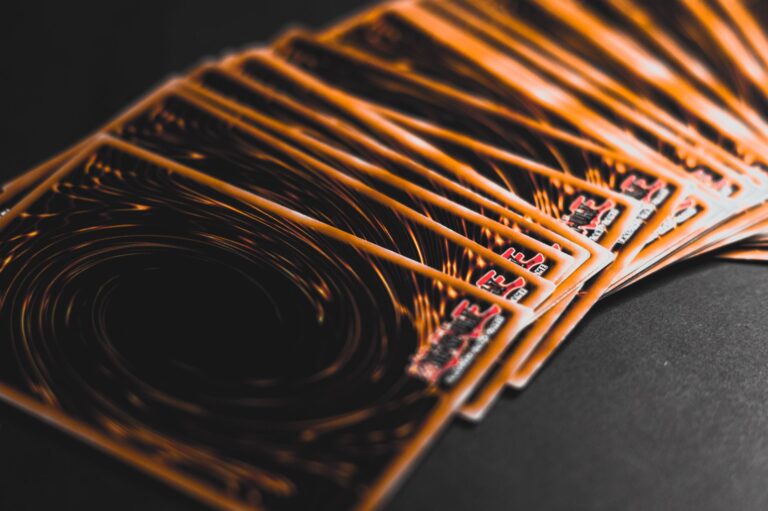
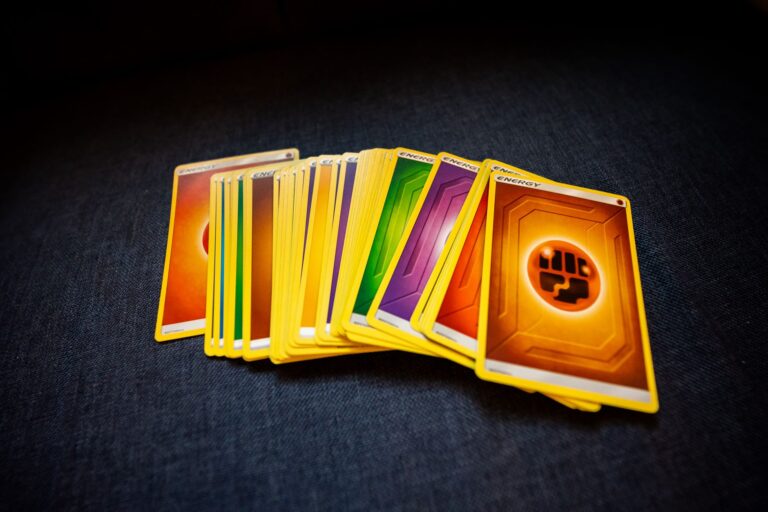
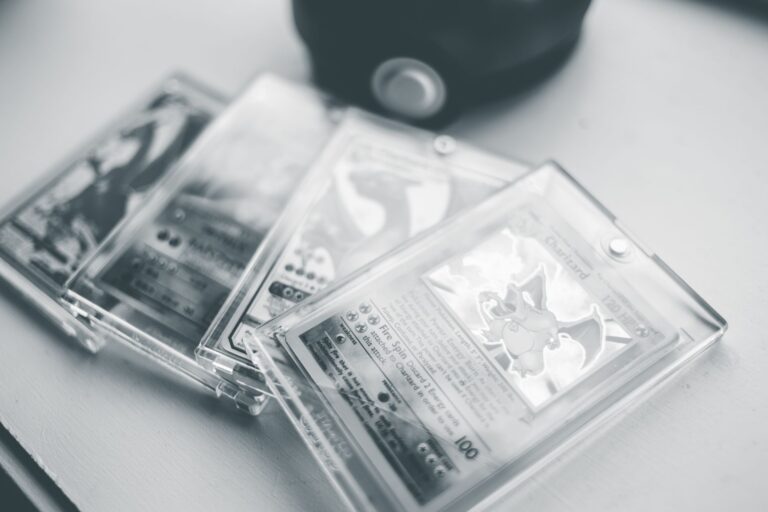
Some Pokemon collectors disagree with the 21g rule because it produces inconsistent results across different card types, eras, and packaging variations””making it an unreliable method for determining whether a pack contains a hit. The rule suggests that sealed booster packs weighing 21 grams or more likely contain a holographic or rare card, but collectors have found that factors like ink density on artwork, energy card variations, and manufacturing inconsistencies can push packs over or under this threshold regardless of their actual contents. A pack from a Scarlet & Violet set might hit 21.2 grams with nothing but common cards, while a Cosmic Eclipse pack containing a character rare could weigh 20.8 grams.
Beyond accuracy concerns, many collectors take issue with pack weighing on ethical grounds. The practice allows buyers to cherry-pick potentially valuable packs from retail shelves, leaving behind “searched” inventory for unsuspecting customers. This has created a secondary problem where even legitimate heavy packs get passed over by cautious buyers who assume anything left on the shelf has already been weighed and rejected. The following sections examine where the 21g rule came from, why it fails in practice, and what collectors actually use to evaluate sealed product today.
Table of Contents
- What Is The 21g Rule And Where Did It Come From?
- Why Pack Composition Makes The 21g Threshold Meaningless
- How Different Pokemon TCG Eras Break The Weight Rule
- The Ethics Problem That Makes Weighing Controversial
- What Methods Do Serious Collectors Use Instead?
- When Pack Weighing Still Works (And When It Definitely Doesn’t)
- The Future of Pack Searching in the Pokemon TCG Hobby
- Conclusion
What Is The 21g Rule And Where Did It Come From?
The 21g rule emerged during the early 2010s when collectors noticed that booster packs containing holographic cards consistently weighed slightly more than packs with only non-holo rares. The theory made intuitive sense: holographic foil adds material to a card, and that extra material should register on a precise scale. Collectors using digital scales accurate to 0.1 grams began documenting their findings on forums and YouTube, establishing 21 grams as the rough cutoff point for English-language booster packs from sets like HeartGold & SoulSilver through XY-era releases.
The rule gained traction because it worked often enough to seem reliable. During this period, pack structures were relatively consistent, and the weight difference between a holo rare and a non-holo rare was detectable. Collectors who weighed packs before purchasing reported higher hit rates on ultra rares and full arts, which reinforced the practice. However, the 21g figure was always an approximation based on specific sets and specific conditions””it was never an official standard or a universally applicable threshold.
Why Pack Composition Makes The 21g Threshold Meaningless
Modern Pokemon sets have introduced so many card variants that the simple holo-versus-non-holo weight distinction no longer applies. A single booster pack might contain reverse holos, textured cards, etched holos, or special energy cards””each with different weights depending on the printing technique used. The Sword & Shield era introduced character rares and trainer gallery cards that use varying amounts of foil, while Scarlet & Violet sets feature special art rares with thick texturing that can weigh more than some ultra rares. The problem compounds when you consider that the baseline weight of common and uncommon cards also varies.
Printing facilities in different countries use slightly different cardstock. Cards printed with darker, more ink-heavy artwork weigh fractionally more than cards with lighter designs. A pack’s ten common and uncommon cards collectively determine most of its weight, so natural variation in these “filler” cards can easily swing a pack above or below 21 grams regardless of what sits in the rare slot. Collectors who tested the rule on Crown Zenith packs, for example, found that the galarian gallery subset created so much weight variation that the 21g threshold produced barely better than random results.
How Different Pokemon TCG Eras Break The Weight Rule
Vintage packs from the Wizards of the Coast era present a completely different weighing challenge. base Set, Jungle, and Fossil packs used different cardstock, different wrapper materials, and contained eleven cards rather than ten. The 21g rule has no relevance here””collectors who weigh WOTC packs use entirely different thresholds, typically looking for weights above 21.3 grams for Base Set 1st Edition long packs. However, even these era-specific benchmarks fail when crimp variations or moisture absorption alter pack weight.
Japanese booster packs complicate matters further because they contain fewer cards and use thinner packaging. A Japanese booster pack typically weighs between 7 and 9 grams total, making the 21g rule inapplicable by default. Japanese collectors who attempt to weigh packs work with margins of 0.1 to 0.2 grams, but the hit rates remain unreliable because Japanese sets often include standardized reverse holo patterns across all rarities. If you’re buying Japanese sealed product hoping to weigh your way to hits, you’re working against manufacturing consistency that makes weight differences nearly undetectable.
The Ethics Problem That Makes Weighing Controversial
Pack weighing occupies a gray area that many collectors consider fundamentally unfair to casual buyers. When someone weighs packs at a retail store and purchases only the heavy ones, they’re extracting value at the expense of whoever buys the remaining light packs. A parent buying a booster for their child has no idea the pack has already been searched and deemed worthless by someone with a gram scale. This dynamic has pushed some collectors to refuse any involvement with pack weighing as a matter of principle.
The practice has also damaged trust in the sealed product market. Collectors frequently hesitate to buy loose packs from local game stores or online sellers because they can’t verify whether the packs have been weighed. Even sealed booster boxes aren’t immune””unscrupulous sellers have been known to open boxes, weigh every pack, remove the heavy ones, and reseal the box with light packs only. This has driven demand for factory-sealed cases and Pokemon Center-exclusive products where the chain of custody is more certain. The 21g rule, whatever its accuracy, enabled a culture of searching that has made the hobby more suspicious and less welcoming.
What Methods Do Serious Collectors Use Instead?
Collectors who want to improve their odds with sealed product have largely moved away from weighing individual packs. The preferred approach is buying sealed booster boxes from reputable distributors where pull rates follow expected statistical distributions. A standard booster box contains 36 packs with mapped rarity distributions””you’re essentially guaranteed a certain number of hits regardless of individual pack weights. This removes the gambling element while ensuring you receive what the product promises.
For those who still want to evaluate loose packs, the focus has shifted to examining packaging rather than weight. Collectors look for intact seals, consistent crimp patterns, and pack codes that match the expected set. Some sets have visible “texture bumps” through the packaging that indicate a textured rare, which is more reliable than any scale reading. The tradeoff is that these visual methods work only on specific sets with textured cards, and they require enough experience to distinguish genuine indicators from packaging irregularities. Neither approach offers the universal applicability that made the 21g rule attractive in the first place.
When Pack Weighing Still Works (And When It Definitely Doesn’t)
There are narrow circumstances where pack weighing retains some predictive value. Certain older sets with simple pull structures””think XY Evolutions or some Sun & Moon era sets””still show detectable weight differences between holo and non-holo packs. If you’re buying from a specific print run of a specific set and you’ve calibrated your scale against known samples, you might achieve hit rates above random chance. The operative word is “might”””even under ideal conditions, you’re improving odds from roughly 33% to perhaps 50%, not guaranteeing pulls.
The method fails entirely on modern sets with multiple foil treatments, any Japanese product, vintage packs with unknown storage histories, and any pack that has been exposed to humidity changes. It also fails when you don’t know which print facility produced the packs you’re weighing, since weight baselines differ between factories. Collectors who share their weighing results online often neglect to mention these variables, which leads newcomers to believe the technique is more reliable than it actually is. If someone claims the 21g rule works perfectly, they’re either working with a very specific controlled sample or they’re misremembering their actual results.
The Future of Pack Searching in the Pokemon TCG Hobby
The Pokemon Company has shown awareness of pack searching and has taken steps to limit it in recent years. The introduction of code cards with different weights was specifically designed to throw off scale-based searching””in some sets, the code card weight varies randomly to mask the rare card’s weight. Newer packaging designs and quality control improvements have also narrowed the weight variance between cards, making precision weighing less effective.
The collector community increasingly views pack weighing as a relic of an earlier era. Online marketplaces like eBay and TCGPlayer now flag or prohibit listings that describe packs as “weighed heavy,” and buyers routinely avoid sellers with histories of selling searched product. As the hobby has grown and matured, the consensus has shifted toward treating sealed product as a gamble where you accept the odds rather than trying to game them. The 21g rule, for all its persistence in online discussions, has lost most of its practical relevance.
Conclusion
The 21g rule persists in Pokemon collecting discourse because it once worked under specific conditions, and the idea of a simple weight threshold appeals to collectors hoping to beat the odds. In practice, the rule fails more often than it succeeds due to cardstock variations, printing differences, era-specific pack structures, and deliberate anti-searching measures implemented by The Pokemon Company. Collectors who rely on it today are working with outdated information that may actually hurt their results.
For collectors evaluating sealed product, the focus should be on buying from trusted sources rather than searching for tricks to identify valuable packs. Sealed booster boxes with intact factory seals, Pokemon Center orders, and reputable local game stores with no-search policies offer more reliable value than any weighing technique. The hobby works best when everyone has fair access to random pack odds””and the 21g rule represents a mindset that undermines that fairness.