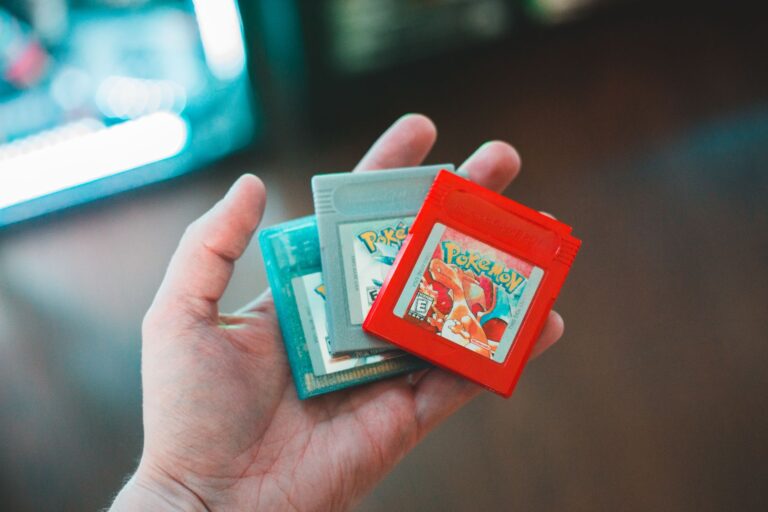
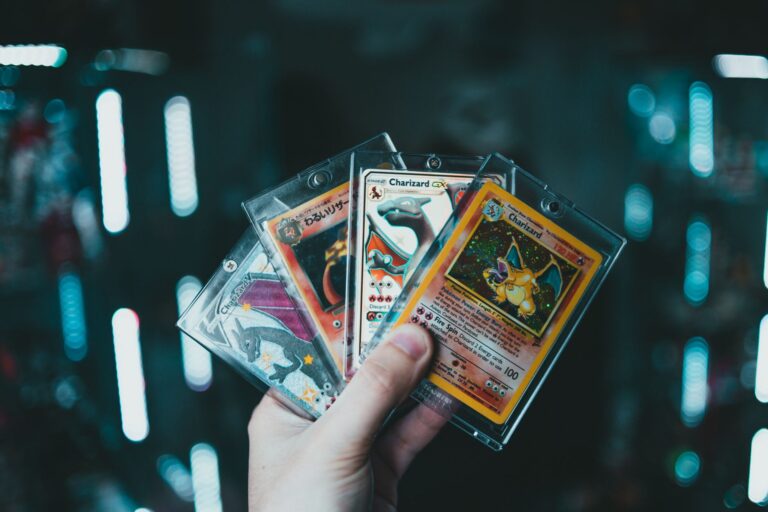
Yes, light Pokemon blister packs can still contain holographic cards, though the odds are significantly reduced compared to heavy packs. The weight variance during manufacturing means there is no absolute cutoff where holos become impossible. For example, a blister pack weighing 32.5 grams falls into the “light” category, but manufacturing tolerances in both the cards and packaging materials mean a holo could still be inside. Collectors have reported pulling holos from packs that weighed below the typical threshold, making this a question of probability rather than certainty.
The practice of weighing packs exploits the physical reality that holographic cards contain a foil layer, making them measurably heavier than non-holo cards. For WOTC-era blister packs, the light range typically falls between 32.1 and 32.5 grams, while potentially heavy packs range from 32.8 to 33.3 grams. That gap between 32.5 and 32.8 grams represents the gray zone where outcomes become unpredictable. This article covers the mechanics behind pack weighing, specific weight thresholds across different Pokemon eras, practical guidance for collectors, and the realistic expectations you should have when purchasing light packs.
Table of Contents
- What Are the Actual Odds of Finding a Holo in a Light Pokemon Pack?
- Understanding Weight Thresholds Across Different Pokemon Eras
- Why Manufacturing Variance Makes Absolute Predictions Impossible
- Practical Considerations When Buying Light Blister Packs
- Common Pitfalls and Risks in the Light Pack Market
- The Ethics and Market Impact of Pack Weighing
- What the Future Holds for Vintage Pack Collecting
- Conclusion
What Are the Actual Odds of Finding a Holo in a Light Pokemon Pack?
The probability of pulling a holo from a light pack is low but not zero. Original WOTC sets had an approximate pull rate of one holo per three packs, meaning roughly 33 percent of packs should contain a holographic rare. When a pack weighs below the threshold, most of that 33 percent has already been filtered out by weight, but manufacturing inconsistencies leave a small window open. Weight ranges overlap more than many collectors realize. For base set through Legendary Collection, packs weighing 21.4 grams or higher are considered a safe bet for holos. At 21.3 grams, the odds remain great.
At 21.2 grams, they are still good. Below 21.1 grams, outcomes become mixed, and below 20.8 grams, packs are generally classified as light. This gradient matters because a pack at 20.7 grams has meaningfully different odds than one at 20.2 grams, even though both fall into the “light” category. Blister packs add another layer of complexity. The cardboard backing, plastic bubble, and any additional inserts all contribute to the total weight. A heavier cardboard stock or slightly thicker plastic could mask a light pack or make a borderline heavy pack appear more certain than it is. Some collectors on forums have documented instances of pulling holos from blister packs weighing in the low 32-gram range, demonstrating that the weight-to-content relationship is not absolute.

Understanding Weight Thresholds Across Different Pokemon Eras
Different Pokemon set eras have distinct weight profiles due to changes in card stock, printing processes, and packaging materials. For blister-pack-under-21g-still-contain-a-holo/” title=”Can A Pokemon Base Set Blister Pack Under 21g Still Contain A Holo”>base Set through Legendary Collection, the heavy threshold sits around 20.8 to 21.8 grams for loose booster packs. The e-Card series from Expedition through Skyridge operates on a different scale entirely, with heavy packs ranging from approximately 17.6 to 18.2 grams. However, the e-Card era presents a notable limitation. Packs weighing exactly 17.6 grams may not contain a holo despite being near the heavy threshold. This demonstrates that weight alone does not guarantee outcomes.
The manufacturing tolerances during this era appear to have been tighter in some respects but introduced different variables that affect reliability. Collectors targeting e-Card sets should approach weight data with additional skepticism compared to earlier WOTC products. Blister packs across all eras require separate consideration from loose boosters. The packaging adds substantial weight that varies between production runs. A blister pack at 32.8 grams might be a solid candidate for containing a holo, but the same 0.7-gram difference that separates heavy from light in loose packs becomes harder to detect when embedded in heavier total packaging. Temperature, humidity during storage, and even the age of the adhesive can subtly affect readings.
Why Manufacturing Variance Makes Absolute Predictions Impossible
Card production involves numerous variables that affect final weight. The paper stock used for cards comes in batches with slight density differences. The ink coverage varies between print runs. The foil application on holos, while consistently heavier than non-foil, can still vary by fractions of a gram. When these tolerances stack in certain combinations, a non-holo pack might weigh more than expected while a holo pack weighs less. Consider a specific scenario: a Base Set pack contains a non-holo rare but also includes a particularly thick energy card and a trainer card printed with heavy ink coverage from the edge of an ink run.
This pack might weigh 20.9 grams despite containing no holo. Meanwhile, a pack with a holo Alakazam printed on a lighter card stock batch could weigh 21.0 grams. The traditional 20.8-gram threshold would misclassify both packs. This variance is why experienced collectors speak in terms of probability rather than certainty. Forum discussions consistently show that the community treats weight as a strong indicator, not a guarantee. Anyone selling “light packs” as definitively containing no holos is overstating the reliability of pack weighing, just as anyone claiming a heavy pack is guaranteed is similarly overconfident.

Practical Considerations When Buying Light Blister Packs
Light blister packs typically sell at significant discounts compared to unweighed or heavy packs. This price difference represents the market’s consensus on reduced holo probability. For collectors who want the experience of opening vintage packs without paying premium prices, light packs offer a middle ground. You sacrifice holo odds in exchange for a lower entry cost. The tradeoff becomes more nuanced when considering complete set building versus chasing specific holos. If you need common and uncommon cards to complete a vintage set, light packs provide those cards at below-market rates for sealed product.
The reduced chance of a holo matters less when you are not specifically seeking holos. Conversely, if your only goal is pulling a holographic Charizard, buying light packs is a poor allocation of money regardless of the small residual chance. Condition also factors into the equation. Vintage blister packs have endured decades of storage in variable conditions. A light blister pack in pristine condition with no yellowing or damage might be worth purchasing for collection purposes even if you never intend to open it. The sealed product market values condition and authenticity, and light packs from certain sets remain desirable as display pieces.
Common Pitfalls and Risks in the Light Pack Market
The existence of resealed packs represents a genuine risk when purchasing any vintage Pokemon product. Unscrupulous sellers have been known to open packs, remove valuable cards, and reseal them for sale. Light packs can serve as convenient cover for this practice since buyers already expect reduced value. A resealed pack stripped of its holo will weigh light and appear consistent with legitimate product. Verification becomes difficult with blister packs specifically. Loose booster packs show more obvious signs of tampering at the seal.
Blister packaging can be carefully opened from the back, contents swapped, and resealed with enough skill to fool casual inspection. Buying from reputable sellers with established track records and return policies offers some protection, but no method is foolproof. Another limitation involves scale accuracy. Consumer-grade scales capable of measuring to the tenth of a gram cost relatively little, but their calibration can drift over time. A scale reading 32.5 grams might actually be measuring a pack that weighs 32.7 grams if the calibration is off. Sellers using improperly calibrated equipment may incorrectly classify packs as light when they are actually in the borderline range. Buyers have no way to verify the accuracy of a seller’s equipment.
The Ethics and Market Impact of Pack Weighing
Pack weighing has been a contentious practice since collectors first realized it was possible. Critics argue it undermines the fundamental randomness that makes pack opening exciting and devalues product for unsuspecting buyers. When heavy packs are systematically removed from retail stock, the remaining packs on store shelves become worse investments for everyday customers. For example, a parent buying a Base Set pack for their child in 1999 from a store where the stock had been weighed would have substantially lower odds of that child pulling a holo than the pack’s original one-in-three probability.
The weighers captured most of the value, leaving picked-over product for everyone else. This dynamic has led some collectors to refuse purchasing weighed product entirely as a matter of principle. The market has adapted by explicitly pricing in weighing status. Unweighed product commands premiums specifically because the original odds remain intact. This transparency at least allows buyers to make informed decisions, though it represents a permanent shift from the hobby’s original design.
What the Future Holds for Vintage Pack Collecting
The supply of sealed vintage Pokemon product only decreases over time. Every pack opened is one fewer available to future collectors. Light packs currently occupy the most accessible tier of vintage sealed product, offering entry points for collectors who cannot justify thousands of dollars for heavy or unweighed packs. This accessibility may not last indefinitely.
As overall supply dwindles, even light packs will appreciate in value based on scarcity alone. A 1999 Base Set booster pack is a finite historical artifact regardless of its weight. Collectors in future decades may care more about owning any sealed pack from that era than about the probability of its contents. The current discount for light packs reflects today’s market priorities, which may shift as the remaining supply continues to shrink.
Conclusion
Light Pokemon blister packs can still contain holos, but the probability is meaningfully reduced compared to heavy or unweighed packs. Manufacturing variance in card stock, ink coverage, and foil application creates enough overlap in weight ranges that no threshold is absolute. For WOTC-era blister packs, anything below 32.5 grams is generally considered light, while 32.8 grams and above enters heavy territory. The gap between represents uncertainty.
Purchasing decisions should reflect your specific goals. Light packs make sense for collectors seeking the opening experience at lower cost, completing sets with commons and uncommons, or acquiring sealed vintage product for display. They make less sense for collectors specifically targeting holos, where the reduced odds conflict directly with the objective. Regardless of your approach, buy from reputable sources, understand the limitations of pack weighing, and maintain realistic expectations about outcomes.