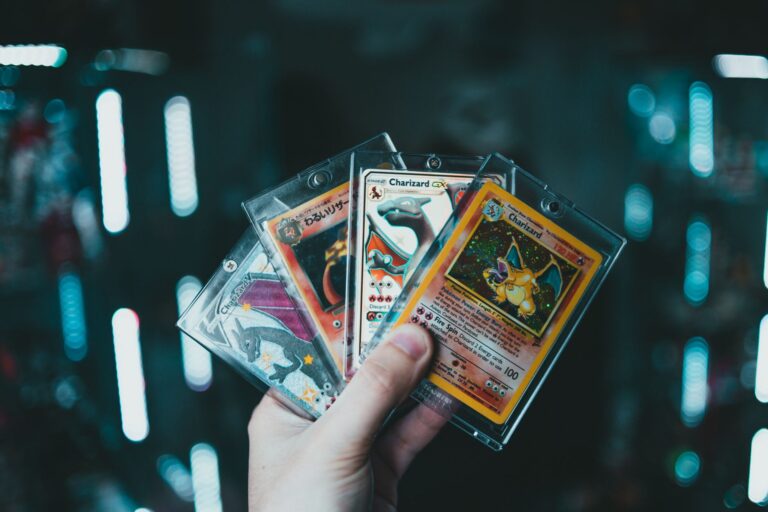
The claim that Pokemon packs weighing under 21 grams contain no holo cards stems from a simple physical reality: holographic cards are heavier than their standard counterparts. A typical holo or reverse holo card contains an additional foil layer that adds roughly 0.3 to 0.5 grams compared to a regular card, which means sealed packs containing these premium pulls consistently weigh more than packs with only common cards. Collectors discovered this weight difference decades ago, leading to “pack weighing” becoming one of the most controversial practices in the hobby. For vintage sets like Base Set, Jungle, and Fossil, the 21-gram threshold became a widely cited benchmark.
A Base Set pack with a holographic Charizard typically weighs around 21.3 to 21.8 grams, while a pack containing only non-holo rares and commons often comes in between 20.5 and 20.9 grams. This article explores how this practice works, why the specific weight cutoffs vary by set, the limitations of weighing modern packs, and how the Pokemon Company has responded to protect collectors. Understanding pack weighing matters whether you are buying vintage sealed product, considering selling your own packs, or simply curious about a practice that has shaped how collectors approach the hobby. We will examine the science behind card weights, discuss which sets are most vulnerable, and explain why weighing no longer works reliably for recent releases.
Table of Contents
- How Does Pack Weighing Work for Pokemon Cards?
- Why the 21 Gram Threshold Became the Standard Benchmark
- Which Pokemon Sets Are Most Vulnerable to Pack Weighing?
- How the Pokemon Company Addressed the Pack Weighing Problem
- Should You Buy Pokemon Packs That Have Been Weighed?
- Common Signs That Pokemon Packs Have Been Weighed
- The Future of Pack Security and Collector Protection
- Conclusion
How Does Pack Weighing Work for Pokemon Cards?
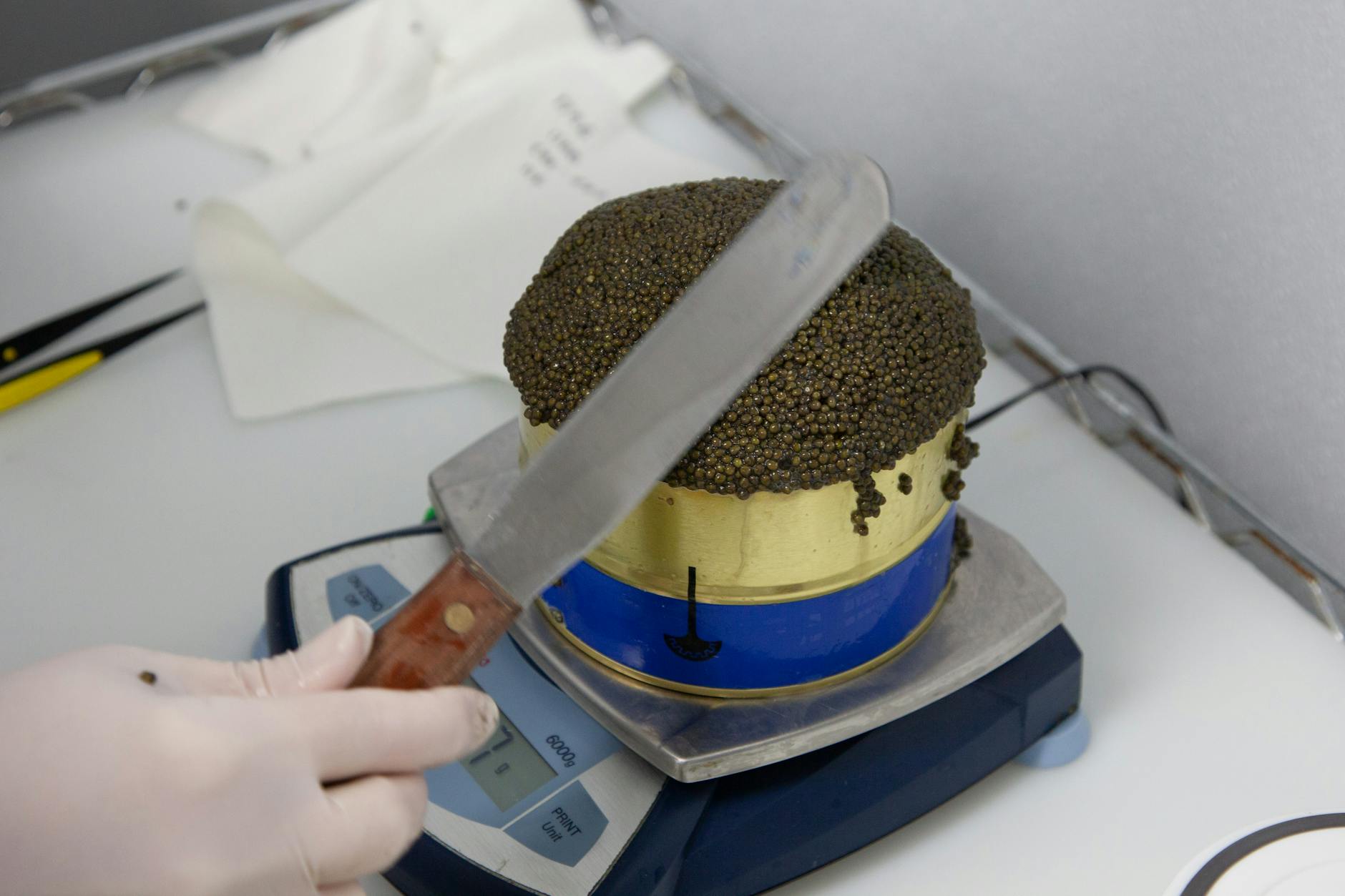
Pack weighing exploits the physical weight difference between holographic and non-holographic pokemon cards. When a sealed booster pack contains a holo rare, the additional foil layer on that card increases the total pack weight by a measurable amount. Collectors and resellers use precision digital scales, typically accurate to 0.01 grams, to identify which packs likely contain valuable pulls before opening them. The practice became widespread in the late 1990s and early 2000s when vintage sets dominated the market. A standard base set unlimited booster pack contains 11 cards: one rare, three uncommons, five commons, one basic energy, and one additional card.
If the rare slot contains a holo card like Charizard, Blastoise, or Venusaur, the pack weighs noticeably more than one containing a non-holo rare like Electrode or Poliwrath. Sellers began weighing entire boxes, removing heavy packs for themselves, and selling the remaining light packs to unsuspecting buyers. The weight threshold varies significantly between sets and print runs. Base Set packs hover around the 21-gram line, but Jungle packs tend to run lighter overall, with holo-containing packs sometimes weighing only 20.8 grams. First edition packs from any set may have slightly different weight profiles than unlimited prints due to variations in card stock and packaging materials. Collectors researching specific sets should look for weight data from other community members who have documented their findings through controlled pack openings.
Why the 21 Gram Threshold Became the Standard Benchmark
The 21-gram figure gained traction because it represents a rough midpoint for many vintage Wizards of the Coast era sets. When collectors began systematically documenting pack weights in online forums during the early 2000s, Base Set data consistently showed that packs below 21 grams rarely contained holos, while packs above that weight had a much higher hit rate. This easy-to-remember number spread through the collecting community and became shorthand for “weighed pack.” However, treating 21 grams as a universal rule leads to problems. Fossil set packs, for instance, have a different weight distribution because the set contained fewer total holos and used a modified card list structure. A Fossil pack weighing 20.7 grams might still contain a holo Dragonite, while a Base Set 2 pack at that weight almost certainly does not. The Team Rocket set introduced dark Pokemon holos that followed yet another weight pattern.
Collectors who memorize a single threshold without researching their specific set often make incorrect assumptions about pack contents. Environmental factors also affect weight measurements. Humidity causes cards to absorb moisture, potentially adding several tenths of a gram to pack weights. Packs stored in damp conditions for years may weigh more than freshly packaged product regardless of their contents. Temperature during weighing matters too, as some digital scales lose accuracy when cold. Anyone attempting to weigh packs should calibrate their scale, control for environmental conditions, and understand that the 21-gram rule is a guideline rather than a guarantee.
Which Pokemon Sets Are Most Vulnerable to Pack Weighing?
Vintage sets from the Wizards of the Coast era remain the most susceptible to pack weighing. Base Set, Jungle, Fossil, Team Rocket, Gym Heroes, Gym Challenge, Neo Genesis, Neo Discovery, Neo Revelation, and Neo Destiny all have well-documented weight differentials that allow reasonably accurate prediction of holo contents. The simplicity of these sets, with their straightforward rare slot containing either a holo or non-holo card, makes weighing effective. The early ex-era sets present a transitional period. Sets like EX Ruby and Sapphire through EX Power Keepers introduced ultra rares and different card types that complicated weight analysis. A pack might weigh heavy due to an ex card, a holo rare, or even certain reverse holos.
While weighing still provides some information, the prediction accuracy drops compared to vintage sets. Collectors targeting these sets should expect more variance in their results. Modern sets from the Sun and Moon era onward have become largely immune to effective weighing. The Pokemon Company implemented several countermeasures, including code cards of varying weights, textured cards at multiple rarity levels, and inconsistent card stock. A Sword and Shield pack weighing 22.5 grams might contain a common V card, a rare holo, or just a heavier print run of the code card. The company clearly recognized the weighing problem and engineered solutions to protect collectors buying sealed product.

How the Pokemon Company Addressed the Pack Weighing Problem
Starting with the Black and White era and accelerating through Sun and Moon, the Pokemon Company introduced deliberate weight variation to combat pack weighing. The most significant change involved code cards, the cards that provide digital game redemption codes. Modern sets include code cards of two different weights: a lighter white code card that typically accompanies standard rares, and a heavier green code card that appears with holo rares and ultra rares. This countermeasure initially seemed to solve the problem, but collectors quickly realized the code card system actually confirmed the old weighing practice with extra steps. A pack with a green code card likely contained something valuable, while white code cards signaled common pulls. The Pokemon Company responded by eventually switching to black code cards across all pack types in newer sets, eliminating this tell.
They also introduced texture variations and different card stocks across rarity levels to further scramble weight calculations. The effectiveness of these changes varies by region and print run. Japanese packs follow different manufacturing standards and may have their own weight characteristics. European and Australian prints sometimes differ from North American versions. Collectors should not assume that weight data from one region or print run applies universally to the same set produced elsewhere. The Pokemon Company’s anti-weighing measures have made modern pack weighing unreliable, but have not eliminated it entirely for all products.
Should You Buy Pokemon Packs That Have Been Weighed?
Purchasing packs that may have been weighed represents one of the biggest risks in the sealed Pokemon market. If someone has removed all the heavy packs from a booster box, the remaining light packs have essentially zero chance of containing valuable holographic cards. You would be paying full price for product that has been cherry-picked of its value. This practice has defrauded countless collectors who purchased light packs at retail prices expecting a fair chance at pulls. The tradeoff appears when buying vintage sealed product at a discount. Some sellers openly acknowledge that their packs have been weighed and price them accordingly. A light Base Set pack might sell for $150 instead of $400 for an unweighed pack.
If you are buying purely for the sealed collecting aspect with no intention of opening, the contents matter less. However, if you plan to open the pack or resell it as unweighed sealed product, purchasing known light packs destroys value for yourself or future buyers. Identifying weighed packs requires detective work. Loose packs sold outside of sealed booster boxes raise immediate red flags. Sellers offering many packs from the same set at below-market prices often signal a weighed batch. Reputable sellers of vintage sealed product typically sell sealed boxes or clearly disclose the provenance of individual packs. When spending hundreds of dollars on vintage packs, asking direct questions about weighing history and demanding honest answers protects your investment.
Common Signs That Pokemon Packs Have Been Weighed
Physical inspection reveals several indicators that packs may have been handled during weighing. Scale marks or indentations on the cardboard sometimes appear where packs rested on weighing platforms repeatedly. Wear patterns inconsistent with normal retail handling, such as edge wear without corresponding shelf damage, suggest packs were removed from boxes and manipulated. Crimp damage at the top or bottom seals might indicate someone tested pack flexibility while handling. The source of packs matters more than physical condition in many cases. Individual packs from broken booster boxes should automatically trigger skepticism, especially when sold in bulk.
A seller offering 20 loose Base Set packs almost certainly weighed them unless they can document the specific box break or collection origin. Sealed booster boxes with intact shrink wrap and consistent seal patterns offer much better protection, though determined fraudsters have learned to reseal boxes after removing heavy packs. Documentation has become essential for high-value vintage purchases. Photographs showing packs being removed from factory-sealed cases, videos of box openings, or chain-of-custody records from trusted collectors all help establish that packs were not weighed. The most valuable vintage packs often come with such provenance documentation. Paying a premium for documented unweighed packs frequently proves worthwhile compared to gambling on loose packs of unknown history.
The Future of Pack Security and Collector Protection
The Pokemon Company continues developing new anti-weighing technologies with each set release. Recent innovations include varying textures across multiple rarity levels, intentional card stock inconsistencies, and sealed pack designs that make weight measurement more difficult. The shift toward more standardized code cards across all pack types represents an acknowledgment that earlier solutions created new problems.
Third-party grading companies have begun offering sealed pack authentication services, examining seals, weights, and packaging to certify that packs appear unweighed. While not foolproof, these services add a layer of protection for collectors spending significant money on vintage sealed product. As the market for vintage sealed Pokemon continues growing, demand for authentication will likely drive further innovations in verification methods.
Conclusion
The claim that Pokemon packs under 21 grams contain no holos holds truth for many vintage sets, where holographic cards genuinely add measurable weight to sealed packs. This physical reality enabled pack weighing to become a widespread practice that continues affecting the vintage market today. Understanding weight thresholds, set-specific variations, and the limitations of modern countermeasures helps collectors make informed purchasing decisions.
Protecting yourself from weighed packs requires vigilance about pack sources, willingness to pay premiums for documented unweighed product, and realistic expectations when buying loose vintage packs. While modern sets have largely neutralized the weighing threat, the vintage market remains vulnerable. Whether buying or selling, transparency about pack history builds trust and protects the hobby from practices that undermine fair collecting.