
Yes, a Pokemon Base Set blister pack weighing under 21 grams can still contain a holographic rare card, though the probability is generally considered lower than heavier packs. The weight method for detecting holos in sealed Base Set boosters operates on the principle that holographic cards tend to weigh slightly more than non-holo rares due to the foil layer, but this is not an absolute rule. Variations in card stock, packaging materials, printing runs, and even humidity exposure over the decades mean that some lighter packs have been opened to reveal holo cards, while some heavier packs have contained nothing but common and uncommon cards.
The commonly cited threshold among collectors has historically hovered around 21 grams, with packs at or above this weight considered more likely to contain a holo. However, documented case studies from the collecting community show that holos have appeared in packs weighing as low as 20.4 to 20.6 grams, depending on the print run and condition of the packaging. This makes weight a useful but imperfect screening tool rather than a guarantee. This article examines the science behind pack weighing, explores why the 21-gram threshold exists, discusses the limitations of this method, and offers practical guidance for collectors considering sealed Base Set blister packs as investments or potential opens.
Table of Contents
- Why Does Weight Matter for Base Set Booster Packs?
- The Science Behind Base Set Blister Pack Weight Variation
- Documented Cases of Light Packs Containing Holos
- Why the 21-Gram Rule Sometimes Fails
- Comparing Weight Methods Across Pokemon TCG Eras
- Should You Buy a Sub-21-Gram Base Set Blister Pack?
- Conclusion
Why Does Weight Matter for Base Set Booster Packs?
The weight method gained popularity in the pokemon collecting community because holographic cards from the Base Set era were printed on a slightly different card stock than their non-holo counterparts. The foil layer applied to create the holographic effect adds a small but measurable amount of mass to each card. When sealed inside a booster pack, this additional weight can theoretically be detected using a precise digital scale. In a standard Base Set booster pack, the rare slot is where the holo or non-holo rare appears.
Since holos weigh marginally more, collectors reasoned that heavier packs were more likely to contain these desirable cards. Over time, community testing established rough weight ranges, with packs above 21 grams frequently yielding holos and those below often containing non-holo rares like Hitmonchan or Electrode. However, this method was never foolproof. Pack-to-pack variation exists due to differences in the amount of glue used to seal packaging, the thickness of the cardboard backing in blister packs, and even the ink density on individual cards. A pack containing an Alakazam holo might weigh less than another pack with a non-holo Poliwrath simply due to these manufacturing inconsistencies.

The Science Behind Base Set Blister Pack Weight Variation
Blister packs introduce additional variables that make weight-based holo detection more complicated than with loose booster packs. The plastic blister shell, cardboard backing, and any hang tabs or price stickers all contribute to the total weight. Different retail configurations from the 1999-2000 era used varying backing card designs and plastic thickness, meaning a blister from one production batch might weigh differently than another even with identical pack contents. The 21-gram threshold typically applies to the booster pack itself when removed from the blister.
Weighing a complete, sealed blister pack requires establishing a baseline for that specific blister configuration, which collectors have found challenging given the variety of retail packaging used during the Base Set’s original release. Some blister packs included additional promotional materials or varying amounts of cardboard, further muddying weight-based analysis. Collectors should note that if they are weighing sealed blister packs without opening them, the margin of error increases substantially. A blister pack that weighs under the expected “holo threshold” when measured as a complete unit might still contain a holographic card if the packaging components happened to weigh less than average. Conversely, a heavy blister pack might simply have thicker plastic or more adhesive rather than a valuable holo inside.
Documented Cases of Light Packs Containing Holos
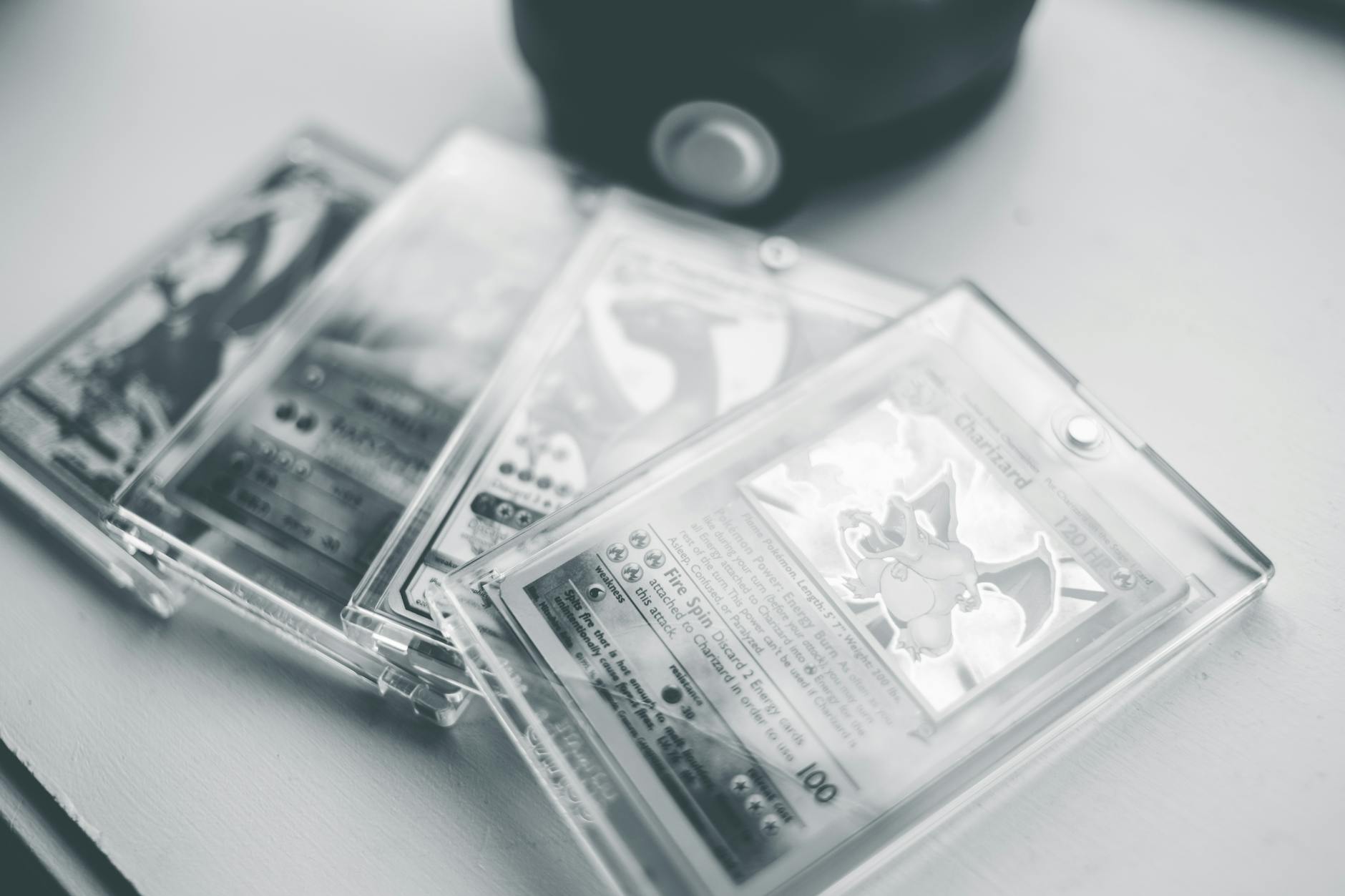
The Pokemon collecting community has shared numerous examples of sub-21-gram packs revealing holographic cards upon opening. These cases typically involve first-edition or shadowless print runs, which had slightly different card stock characteristics than the unlimited Base Set prints. Some collectors have reported pulling Charizard holos from packs weighing 20.5 grams, while other packs at 21.3 grams contained non-holo rares. One limitation of relying on community data is the lack of controlled conditions. Most weight reports come from collectors using consumer-grade digital scales with varying accuracy, weighing packs in different humidity conditions, and sometimes including or excluding the wrapper’s tear strip in their measurements. These inconsistencies make it difficult to establish a truly reliable threshold applicable to all Base Set packs. Print run variations also play a role. The Base Set underwent multiple print runs between its initial 1999 release and later unlimited editions. Card stock thickness and foil application processes may have changed subtly between runs, affecting the weight differential between holo and non-holo cards.
A pack from an early print run might have different weight characteristics than one produced months later. ## How to Weigh Sealed Base Set Blister Packs Accurately If you intend to use weight as one factor in evaluating sealed Base Set blister packs, precision matters. A digital scale accurate to at least 0.1 grams is the minimum requirement, though 0.01-gram precision provides more useful data. Ensure the scale is calibrated properly and placed on a level, stable surface before weighing. For blister packs, the most reliable approach is to establish the weight of the blister packaging components separately if possible, then calculate the booster pack weight by subtraction. Since this often is not feasible with sealed product, collectors may compare weights across multiple identical blister configurations and look for outliers. A pack weighing noticeably more than others from the same retail packaging type has better odds of containing a holo, though this remains probabilistic rather than certain. The tradeoff with weighing is that it provides information but not certainty. A collector might pass on a lighter pack that actually contains a Charizard or overpay for a heavier pack that yields a non-holo Zapdos. Treating weight as one data point among many, including pack condition, provenance, and price, leads to better decision-making than relying on weight alone.

Why the 21-Gram Rule Sometimes Fails
The 21-gram threshold fails for several reasons beyond manufacturing variation. Moisture absorption represents a significant factor with vintage sealed product. Pokemon card packs stored in humid environments over 25-plus years may have absorbed water into the card stock and packaging, artificially increasing weight. A non-holo pack stored in a damp basement might weigh more than a holo pack kept in climate-controlled conditions. Card condition inside the sealed pack also matters.
A pack where the cards have slightly warped or bowed may weigh differently than one with perfectly flat cards, even with identical contents. The energy cards, common cards, and uncommon cards in each pack also introduce minor weight variations that can push a non-holo pack above the threshold or pull a holo pack below it. Collectors should be especially cautious of packs that have been previously weighed and returned to circulation. Historically, some sellers weighed sealed product, retained the heavy packs likely to contain holos, and sold the lighter packs at full price. A light pack on the secondary market may have already been screened, making it even less likely to contain a holo than its weight alone would suggest.
Comparing Weight Methods Across Pokemon TCG Eras
The weight method works differently across various Pokemon TCG releases. Base Set, Jungle, and Fossil era packs are most commonly subjected to weighing because the holo cards in these sets had the most pronounced weight differential compared to non-holo rares. Later sets introduced reverse holos, ultra rares, and varying foil patterns that complicated weight-based detection.
Modern Pokemon packs are generally considered unweighable due to the inclusion of code cards with different weights designed specifically to prevent this practice. A pack with a green code card weighs differently than one with a white code card, and this variation intentionally obscures whether the pack contains a valuable pull. For Base Set era product, no such countermeasure existed, making weight a viable if imperfect tool.
Should You Buy a Sub-21-Gram Base Set Blister Pack?
Purchasing decisions around light Base Set blister packs depend on your goals as a collector. If you intend to keep the pack sealed as a display piece or investment, the weight matters less than the pack’s visual condition, authenticity, and provenance. A pristine sealed blister pack has collectible value regardless of its contents, and many collectors prefer the mystery of not knowing what lies inside.
If you plan to open the pack, a sub-21-gram weight suggests lower odds of pulling a holo but does not eliminate the possibility. The price you pay should reflect this uncertainty. Historically, heavy packs have commanded premium prices over light packs from the same set, sometimes significantly so. Whether the premium is justified depends on your risk tolerance and how much you value the potential upside versus the likely outcome.
Conclusion
The 21-gram threshold for Base Set booster packs represents a useful guideline rather than an ironclad rule. Holographic cards can and do appear in packs weighing under this threshold due to manufacturing variations, print run differences, and environmental factors affecting sealed product over time. Collectors should treat pack weight as one piece of information in a broader evaluation that includes condition, authenticity, pricing, and their own collecting goals.
For those considering sealed Base Set blister packs, understanding the limitations of weight-based analysis prevents both unrealistic expectations and premature dismissals. A light pack might surprise you with a Charizard, while a heavy pack might disappoint with a Nidoking. The uncertainty is part of what makes vintage sealed product compelling to collectors, and informed decisions require acknowledging what we can and cannot know from a number on a scale.
You Might Also Like
- Are There No Holos In A Pokemon Base Set Blister Pack Under 21 Grams
- Pokemon Blister Packs vs Booster Packs vs Booster Boxes – What’s the Difference Between Them?
- What Is The Value Of A Unlimited Charizard Base Set PSA 4