
A Charizard Base Set graded CGC 2 with creases and whitening is worth approximately $75 to $200, placing it at the lower end of the graded Charizard market. This estimate is derived from comparable PSA 2 sales data, which shows transactions ranging from $130.50 to $420.69 in late 2025 and early 2026, then adjusted downward to account for the price differential between CGC and PSA-graded cards. For example, a PSA 2 1999-2000 Base Set Charizard sold for $305.34 on September 29, 2025, but a CGC 2 of the same card would likely fetch noticeably less due to market preferences for PSA encapsulation.
Despite the significant condition issues that earn a grade of 2″”which is considered “Poor” on the grading scale””this card still commands real money. The Charizard Base Set holo remains one of the most iconic trading cards ever produced, and even heavily damaged examples retain collector interest. A grade 2 typically indicates multiple problems including creases, edge whitening, surface scratches, and corner wear, yet the card’s legendary status keeps it from becoming worthless. This article breaks down why CGC-graded cards sell for less than their PSA counterparts, what specific defects contribute to a grade of 2, how Base Set and Base Set 2 versions compare in value, and what factors might push your particular card toward the higher or lower end of the estimated range.
Table of Contents
- How Much Is a CGC 2 Charizard Base Set Really Worth Compared to PSA?
- What Defects Cause a Charizard to Receive a Grade of 2?
- Base Set vs Base Set 2: Which CGC 2 Charizard Commands Higher Prices?
- Should You Sell a CGC 2 Charizard or Crack It and Resubmit to PSA?
- Common Mistakes When Pricing a Low-Grade Charizard
- Who Buys CGC 2 Charizards and Why?
- The Future Outlook for Low-Grade Vintage Pokemon Cards
- Conclusion
How Much Is a CGC 2 Charizard Base Set Really Worth Compared to PSA?
The primary factor affecting your CGC 2 Charizard’s set-cgc-1-with-severe-surface-damage/” title=”What Is The Value Of A Charizard Base Set CGC 1 With Severe Surface Damage”>value is the grading company disparity. PSA and BGS dominate the Pokemon card grading market, and price databases explicitly note that “grades from other companies could be worth much less” than PSA or BGS estimates. CGC, while a reputable company known primarily for comic book grading, entered the trading card space more recently and hasn’t achieved the same market penetration or collector trust. Looking at concrete sales data, PSA 2 examples of the 1999-2000 Base Set Charizard have sold for $305.34 in September 2025, while Base Set 2 versions graded PSA 2 have ranged from $132.50 to $420.69 between October 2025 and January 2026.
The wide variance in these sales reflects the volatile nature of the low-grade market, where individual card presentation within the same grade can significantly affect buyer interest. For a CGC 2, collectors should expect prices roughly 25% to 50% below comparable PSA sales. This discount reflects both the reduced liquidity of CGC slabs in the Pokemon market and the perception””fair or not””that CGC grading standards may differ from PSA’s. A seller with a CGC 2 Charizard Base Set featuring prominent creases and whitening should realistically expect offers in the $75 to $200 range, with most transactions settling around $100 to $150.

What Defects Cause a Charizard to Receive a Grade of 2?
A grade of 2 represents substantial condition problems across multiple aspects of the card. Creases are perhaps the most damaging defect, as they indicate physical stress that has permanently altered the card’s structure. A single crease running across the holo artwork can immediately drop an otherwise presentable card into the 2-3 range, while multiple creases or a severe horizontal crease through Charizard’s image guarantees a low grade. Whitening refers to the exposure of the card’s inner paper layer along edges and corners, appearing as white or light-colored areas against the yellow border.
Moderate whitening on all four edges combined with corner wear is standard for a grade 2. However, if your card has extreme whitening that extends beyond the border into the artwork area, or if the whitening is accompanied by peeling or delamination, the card might grade even lower or potentially receive a designation that affects value further. It’s worth understanding that grade 2 cards can vary considerably in appearance. One cgc 2 might feature a prominent diagonal crease but relatively clean surfaces, while another could show no creases but severe edge wear, multiple surface scratches, and significant whitening. Buyers often prefer the former presentation, meaning two cards with identical grades can sell at different prices based on the nature of their defects.
Base Set vs Base Set 2: Which CGC 2 Charizard Commands Higher Prices?
The original 1999 Base Set Charizard consistently outsells its Base Set 2 counterpart, and this pattern holds true even at low grades. Base Set 2, released in 2000, was a reprint designed to meet demand after the original set sold out. While the cards are functionally identical in artwork and game mechanics, collectors value the original printing more highly due to its historical significance and relative scarcity. Market averages across all grades illustrate this gap: the Base Set Charizard averages $261.62 with a range from $50 to $37,500, while Base Set 2 averages $238.12 with a range from $72 to $2,372.
At the grade 2 level, this translates to the original Base Set version commanding perhaps 15% to 30% more than a Base Set 2 example. A CGC 2 original Base Set Charizard might sell for $125 to $200, while a CGC 2 Base Set 2 version would more likely fall in the $75 to $150 range. You can distinguish between the two versions by examining the copyright date and set symbol. The original Base Set has a 1999 copyright and no set symbol, while Base Set 2 displays a Pokeball symbol and typically shows a 2000 copyright. If your CGC slab label identifies it as Base Set 2, adjust your value expectations accordingly.
Should You Sell a CGC 2 Charizard or Crack It and Resubmit to PSA?
The decision to crack a CGC slab and resubmit to psa involves financial calculation and risk assessment. Crossing from CGC to PSA costs money””you’ll pay PSA’s grading fee plus shipping both ways””and there’s no guarantee the card will receive the same grade. PSA might grade it higher, the same, or lower than CGC did, and at this condition level, the difference between a 2 and a 1.5 or 1 can affect value. If you believe your CGC 2 Charizard is on the stronger end of that grade range, resubmission might make sense.
A PSA 2 selling for $300 compared to a CGC 2 selling for $125 represents a potential gain of $175, which could justify the $50 to $75 in grading and shipping costs. However, if PSA returns it as a PSA 1, you’ve spent money to potentially receive a lower grade, though interestingly, PSA 1 Charizards sometimes sell higher than PSA 2s due to their novelty””one sold for $404 on August 4, 2025. The safer approach for most collectors is to sell the CGC 2 as-is and let the buyer decide whether to pursue regrading. The CGC market is smaller but still active, and avoiding the regrading gamble eliminates both the cost and the three to six month wait typical for PSA submissions.
Common Mistakes When Pricing a Low-Grade Charizard
Sellers frequently overprice low-grade Charizards by referencing sold listings for higher-grade examples or by using “asking prices” rather than actual completed sales. A CGC 2 is not worth half of a CGC 4 or a quarter of a CGC 8″”the market doesn’t scale linearly. Low-grade examples cluster together in a narrow price band because buyers view them as “damaged Charizards” rather than gradations of condition. Another error involves confusing different card variants. Shadowless Base Set Charizards, First Edition Base Set Charizards, and Unlimited Base Set Charizards have vastly different values, but the distinctions aren’t always apparent to casual sellers.
A CGC 2 First Edition Charizard is worth considerably more than a CGC 2 Unlimited version, potentially several hundred dollars more. Check your slab label carefully to confirm exactly which variant you possess. Timing also matters more than sellers realize. The Pokemon card market experienced massive volatility between 2020 and 2024, and prices that were accurate two years ago may not reflect current market conditions. Always reference recent sales data””within the past three to six months””when pricing your card. The September 2025 PSA 2 sale at $305.34 is more relevant than a sale from 2023 or earlier.
Who Buys CGC 2 Charizards and Why?
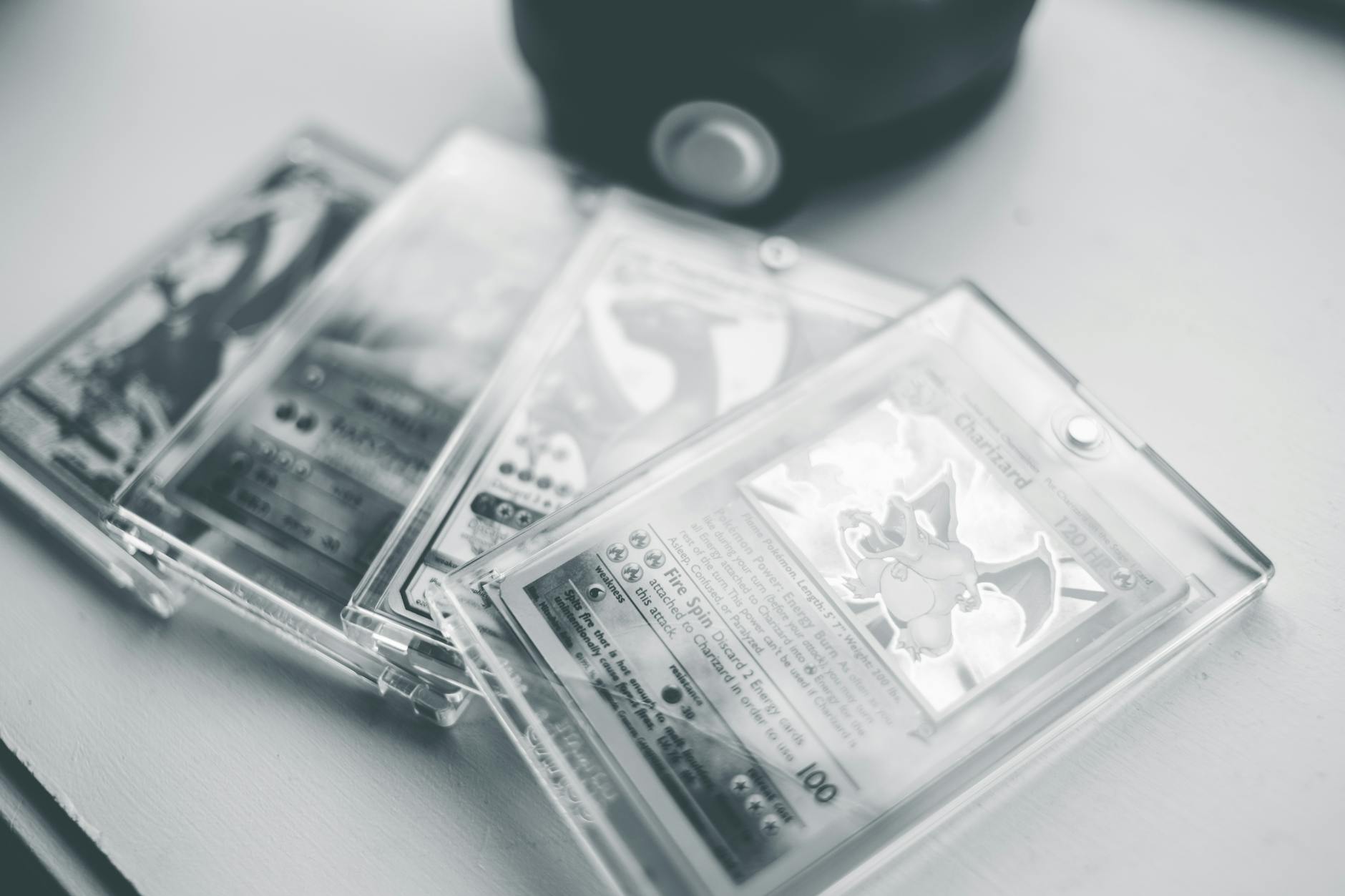
The buyer pool for low-grade graded Charizards includes several distinct groups. Budget collectors who want a slabbed Base Set Charizard but can’t afford higher grades represent the primary market. For these buyers, a CGC 2 at $125 offers the same display appeal and authenticity verification as a CGC 9 at several thousand dollars, just with visible wear.
Some buyers specifically target low-grade examples for “type set” collections, where the goal is to own one example of each significant card rather than pursuing high grades. Others purchase them as gifts for younger collectors, preferring the protection of a slab while not investing heavily in a card that might end up damaged further or lost. In these use cases, the CGC versus PSA distinction matters less than it does to competitive collectors focused on resale value.
The Future Outlook for Low-Grade Vintage Pokemon Cards
The long-term trajectory for low-grade Base Set Charizards remains tied to broader Pokemon nostalgia and the aging of the original player base. As fewer ungraded examples remain in circulation and more get submitted to grading companies, even low-grade slabs may appreciate modestly. The card’s iconic status ensures continued demand regardless of condition, though dramatic price increases are unlikely for CGC 2 examples.
Market observers note that CGC has been gradually gaining acceptance in the Pokemon community, which could narrow the price gap between CGC and PSA over time. If CGC achieves parity with PSA in collector perception, current CGC 2 owners would benefit from that shift. For now, however, PSA maintains its premium position, and sellers should price CGC examples accordingly.
Conclusion
A Charizard Base Set CGC 2 with creases and whitening realistically sells for $75 to $200, with most transactions falling in the $100 to $150 range. This value reflects both the significant condition issues inherent to a grade 2 and the market’s preference for PSA over CGC grading.
The original 1999 Base Set version commands higher prices than Base Set 2 reprints, and the specific nature of defects””creases versus whitening versus surface wear””can influence where your particular card lands within the estimated range. Before selling, confirm exactly which variant you have by checking the slab label, review recent comparable sales data rather than relying on outdated information, and set realistic expectations based on the CGC market rather than PSA sale prices. While a CGC 2 Charizard won’t fund anyone’s retirement, it remains a tradeable asset with consistent buyer interest, representing an accessible entry point into graded vintage Pokemon collecting.


