A Charizard Base Set card graded CGC 1 with severe surface damage typically sells in the range of a few hundred dollars, though exact prices fluctuate based on market conditions and the specific nature of the damage. While this represents a fraction of what mint condition examples command, a CGC 1 Charizard still holds meaningful value because demand for this iconic card extends across all grade levels. Collectors who cannot afford five or six-figure prices for high-grade copies often seek out heavily damaged examples as an entry point into owning one of the hobby’s most recognized cards.
For context, a collector purchasing a CGC 1 Charizard might pay somewhere in the low hundreds, whereas a CGC 9 or 10 could fetch tens of thousands or more depending on market conditions at the time of sale. The gap is enormous, but the CGC 1 remains far from worthless. This article explores why severely damaged Charizards retain value, what surface damage means for grading, how CGC 1 compares to PSA 1 equivalents, and what collectors should consider before buying or selling a damaged example.
Table of Contents
- Why Does a CGC 1 Charizard Base Set Still Have Value?
- What Does Severe Surface Damage Mean for a CGC 1 Grade?
- How Does CGC 1 Compare to PSA 1 for Base Set Charizard?
- Should You Buy a CGC 1 Charizard as Your First Base Set Charizard?
- Common Pitfalls When Buying Severely Damaged Graded Charizards
- Does Surface Damage Affect Value More Than Other Defects?
- What Is the Long-Term Outlook for Low-Grade Base Set Charizards?
- Conclusion
Why Does a CGC 1 Charizard Base Set Still Have Value?
The charizard from the 1999 Base Set occupies a unique position in the Pokemon trading card market. It was the chase card of an entire generation, and that cultural significance persists regardless of condition. many collectors want to own the card they dreamed about as children, even if they cannot afford a pristine copy. A CGC 1 represents the lowest possible grade while still being authentic and encapsulated by a reputable grading company, which provides assurance against counterfeits. Market dynamics also play a role.
The supply of Base Set Charizards is finite, and even damaged copies are becoming harder to find as more cards enter permanent collections. A CGC 1 is not competing with high-grade examples for the same buyers. Instead, it serves a different market segment entirely: budget collectors, display collectors who want the card without the premium, and some investors who speculate that low-grade examples may appreciate as fewer remain in circulation. However, there is a limitation to this logic. A CGC 1 will never approach the values of higher grades, and if the broader Pokemon market experiences a downturn, low-grade cards often see sharper percentage declines because they lack the rarity-driven floor that gem mint copies enjoy.
What Does Severe Surface Damage Mean for a CGC 1 Grade?
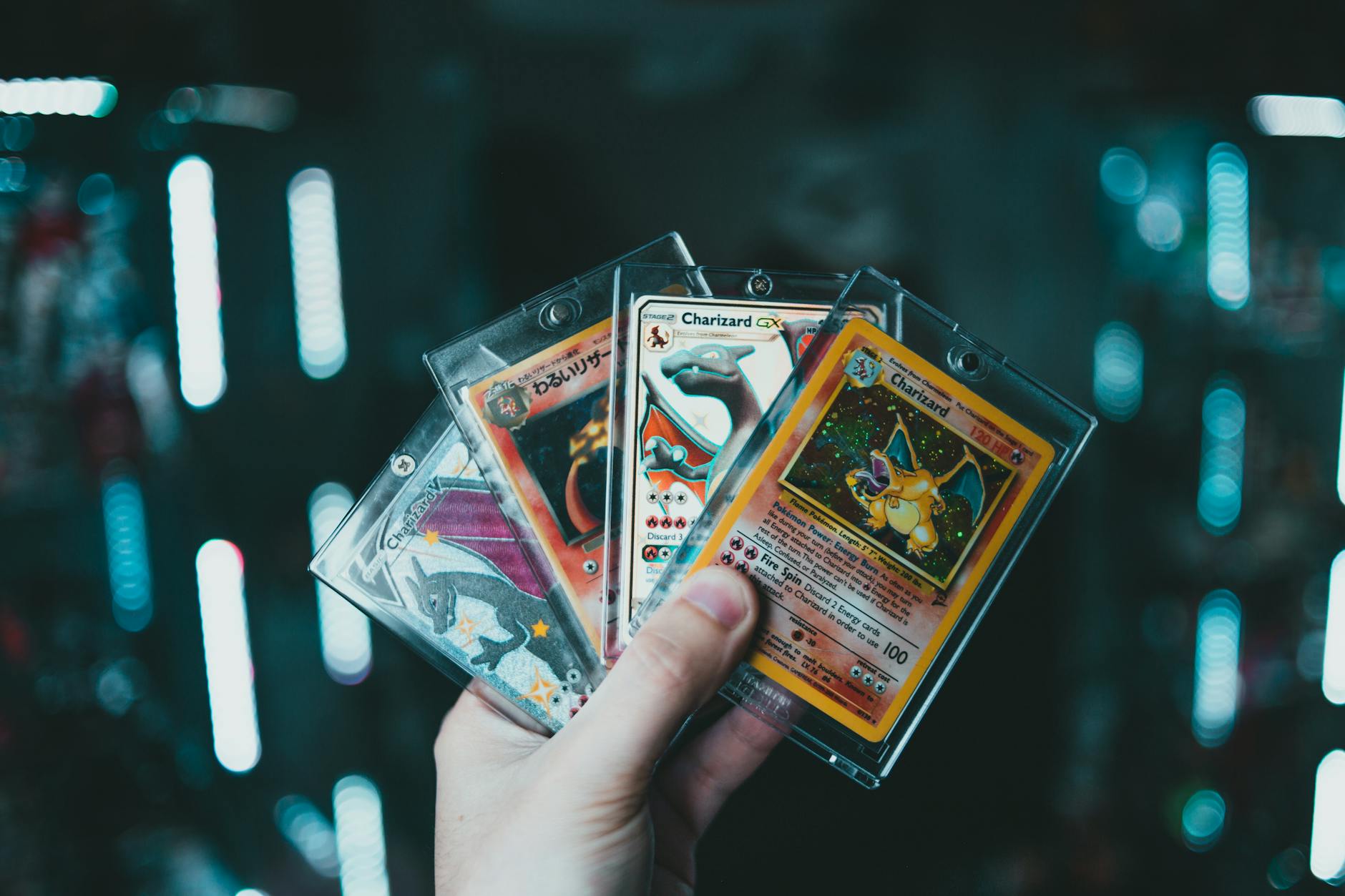
cgc assigns a grade of 1 to cards exhibiting heavy wear across multiple grading categories, with severe surface damage being one of the most visible defects. Surface damage includes deep scratches, scuffs, heavy whitening from abrasion, creasing that affects the card face, staining, and ink loss. A card with severe surface damage likely has additional issues with corners, edges, and centering, but the surface alone can be enough to warrant the lowest grade. For a Charizard specifically, surface damage often manifests as scratches across the holographic area, which is particularly noticeable given the card’s iconic fire-breathing artwork.
Cards that were played without sleeves, stored loosely, or exposed to moisture frequently display this type of wear. Compared to a CGC 2 or 3, a CGC 1 shows damage that is immediately apparent from across the room rather than upon close inspection. One important caveat: surface damage does not necessarily mean the card was abused. Some cards left the factory with printing defects or were damaged in packaging. A CGC 1 holder does not distinguish between factory damage and owner-inflicted wear, so buyers cannot assume the card’s history based on the grade alone.
How Does CGC 1 Compare to PSA 1 for Base Set Charizard?
CGC and psa are the two dominant grading companies in the Pokemon card market, and their respective 1-grade populations for Base set Charizard are relatively small compared to mid-grade examples. PSA has historically commanded a premium for Pokemon cards due to its longer presence in the hobby and greater brand recognition among collectors. A PSA 1 Charizard may sell for somewhat more than a CGC 1 with comparable damage, though this gap has narrowed as CGC has gained acceptance. The grading standards between companies are similar but not identical.
Some collectors believe CGC applies stricter criteria for lower grades, meaning a CGC 1 might represent worse condition than a PSA 1. Others argue the difference is negligible at the bottom of the scale. What matters more in practice is buyer preference: some collectors only want PSA slabs, while others appreciate CGC’s subgrades and larger holder labels. If you are selling a CGC 1 Charizard and finding limited interest, crossing it over to PSA is generally not worthwhile. The cost and time involved in regrading rarely justifies the potential price difference at this grade level, and there is always risk that the card receives a lower grade or a “details” qualifier.

Should You Buy a CGC 1 Charizard as Your First Base Set Charizard?
For collectors who want to own a Base Set Charizard without a major financial commitment, a CGC 1 offers an authentic, graded example at the most accessible price point. The card is real, verified, and protected in a tamper-evident case. You get the same artwork, the same card, and the same piece of Pokemon history that exists in a CGC 10 holder, just with visible wear. The tradeoff is aesthetic and financial. A CGC 1 is not display-quality for most collectors.
The severe damage will be immediately visible, and if you plan to showcase your collection, the card may not provide the visual impact you want. From a financial perspective, a CGC 1 is unlikely to appreciate at the same rate as higher grades, and liquidity can be lower when you decide to sell. An alternative strategy is purchasing a raw, ungraded Charizard in moderately played condition. You might find examples that look better than a CGC 1 for similar money, though you sacrifice the authentication and encapsulation that grading provides. This approach works best for collectors confident in their ability to identify authentic cards.
Common Pitfalls When Buying Severely Damaged Graded Charizards
The most significant warning for buyers of CGC 1 Charizards involves misrepresenting condition through photography. Sellers sometimes use angles and lighting that obscure the worst damage, making a severely worn card appear better than it is. Always request multiple high-resolution photos under different lighting conditions, and ask specifically about the nature of the surface damage. Scratches across the holo area, for instance, may not photograph well but are glaringly obvious in person. Another pitfall involves paying too close to mid-grade prices.
The jump from CGC 1 to CGC 4 or 5 represents a substantial improvement in appearance, and the price difference may not be as large as you expect. Before committing to a CGC 1, check completed sales for CGC 3 through 5 examples. If the premium is modest, you may prefer a card with significantly less visible damage. Finally, be cautious about claims of “investment potential” for CGC 1 cards. While all Charizards have historically appreciated over long time horizons, low-grade examples are more speculative. They depend on continued demand from budget collectors rather than the rarity-driven dynamics that support gem mint prices.
Does Surface Damage Affect Value More Than Other Defects?
Surface damage is often the most visually impactful defect on a graded card, which means it can affect perceived value disproportionately. A card with severe corner wear but a clean surface may appear more presentable than one with a pristine border but deep scratches across the artwork. Because the Charizard’s holographic image is the focal point, surface damage there is particularly detrimental to appeal.
For example, two CGC 1 Charizards might have very different buyer interest depending on the damage location. One with creasing along the bottom edge and moderate surface wear may attract more interest than another with less severe edge damage but heavy scratching through Charizard’s face. Grading companies do not differentiate based on damage location at the lowest grade levels, but the secondary market certainly does.
What Is the Long-Term Outlook for Low-Grade Base Set Charizards?
The trajectory of CGC 1 Charizard prices depends on broader market trends and generational collecting habits. Historically, demand has been driven by millennials who grew up with the original Pokemon releases. As this generation ages and accumulates wealth, some analysts have predicted continued appreciation across all grades. However, market conditions have shown volatility, and low-grade cards are more susceptible to corrections during downturns.
Looking ahead, the card’s cultural status seems secure. Charizard remains central to Pokemon media and merchandise, ensuring continued relevance. Whether CGC 1 examples specifically benefit from this depends on whether entry-level collectors continue valuing graded authenticity over raw copies. If grading fees rise significantly or buyer preferences shift, the value proposition of a CGC 1 could change.
Conclusion
A Charizard Base Set CGC 1 with severe surface damage represents the floor of the graded market for this iconic card, typically selling for a few hundred dollars depending on current market conditions. While it will never approach the values of higher-grade copies, it offers collectors an authenticated, encapsulated piece of Pokemon history at an accessible price point. The card retains value because demand for Charizard extends across all conditions, and finite supply means even damaged examples are increasingly scarce.
Before buying or selling a CGC 1 Charizard, research recent completed sales to understand current pricing, examine photos carefully to assess the specific damage, and consider whether a slightly higher grade might offer better value for a modest premium. For sellers, honest representation of the damage will attract serious buyers and avoid disputes. Whether as a placeholder until upgrading or a permanent collection piece, a CGC 1 Charizard remains a legitimate entry point into owning one of the hobby’s most sought-after cards.