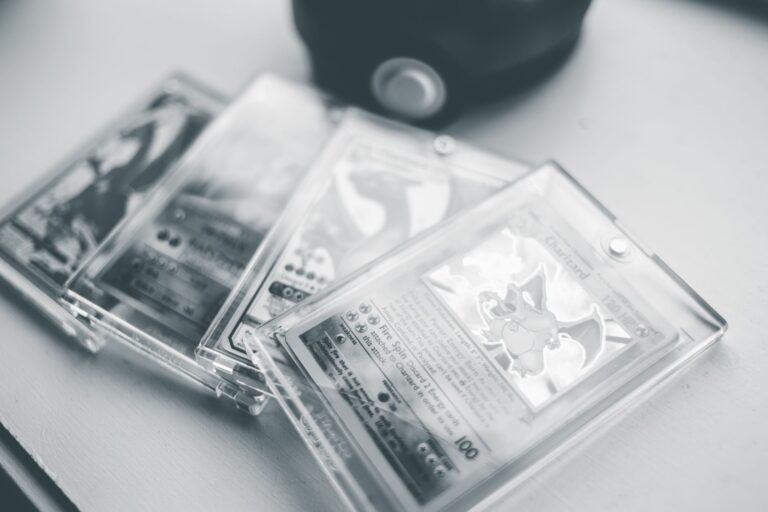
A Shadowless Charizard Base Set graded PSA 3 typically sells for between $800 and $1,500 in the current market, with most transactions settling around the $1,000 to $1,200 range. This price point represents one of the more accessible entry levels for collectors seeking authentic first-print-run Charizard cards, as the PSA 3 grade indicates a card with noticeable wear but still recognizable as a genuine piece of Pokemon history. For context, a PSA 3 Shadowless Charizard sold on eBay in late 2024 for $1,050, while another with particularly clean artwork fetched $1,375 despite the low grade. The Shadowless designation refers to cards printed during the initial production run before The Pokemon Company added a drop shadow to the artwork box, making these cards significantly rarer than their Unlimited counterparts.
Even at a PSA 3 grade, which PSA defines as “Very Good” with visible wear including surface scratches, edge wear, and corner damage, the Shadowless Charizard commands substantial value due to its iconic status and limited supply. This article covers the factors influencing PSA 3 valuations, how Shadowless cards differ from other Base Set prints, market trends affecting prices, authentication considerations, and practical guidance for buying or selling these cards. Understanding the nuances of PSA 3 grading and Shadowless identification helps collectors make informed decisions whether entering the hobby or expanding an existing collection. The difference between a well-centered PSA 3 and one with severe miscuts can mean hundreds of dollars, so knowing what to look for matters considerably.
Table of Contents
- Why Does a PSA 3 Shadowless Charizard Still Hold Significant Value?
- How the Shadowless Print Run Affects Base Set Charizard Pricing
- Market Trends and Price Fluctuations for PSA 3 Shadowless Charizard
- Common Issues and Red Flags When Buying PSA 3 Shadowless Charizards
- Factors That Can Increase or Decrease Value Within the PSA 3 Range
- How to Prepare
- How to Apply This
- Expert Tips
- Conclusion
- Frequently Asked Questions
Why Does a PSA 3 Shadowless Charizard Still Hold Significant Value?
The PSA 3 grade sits in the lower tier of PSA’s grading scale, yet shadowless Charizards at this level maintain strong values because demand far outstrips supply. Estimates suggest fewer than 100,000 Shadowless Charizard cards exist total, and a substantial portion of those either remain ungraded, sit in private collections, or have degraded beyond gradable condition. When even damaged examples of an iconic card remain scarce, prices stay elevated regardless of condition concerns. Collector psychology also plays a role.
many enthusiasts specifically seek lower-grade examples as “placeholder” cards while saving for higher grades, or they want an authentic Shadowless Charizard without the five-figure price tag attached to gem mint copies. A PSA 10 Shadowless Charizard can sell for $200,000 or more, making the PSA 3 version roughly 99% cheaper while still providing the same nostalgic connection and display potential. For collectors focused on completing sets rather than investment-grade holdings, the PSA 3 offers genuine value. However, if you are purchasing a PSA 3 primarily as an investment vehicle expecting rapid appreciation, recognize that lower-grade cards historically show slower and less dramatic price increases compared to high-grade specimens. The PSA 3 market tends to attract collectors rather than speculators, meaning price movements follow hobby sentiment rather than investment trends.
How the Shadowless Print Run Affects Base Set Charizard Pricing
The base Set Charizard exists in three distinct English printings: first Edition, Shadowless, and Unlimited. First Edition cards display a stamp on the left side and command the highest premiums, with PSA 3 examples selling for $3,000 to $5,000. Shadowless cards lack this stamp but share the same printing characteristics, including the absence of the shadow effect beneath the artwork frame. Unlimited cards, printed in vastly larger quantities with the shadow present, sell for $150 to $300 at PSA 3. This hierarchy means Shadowless cards occupy a middle ground that appeals to collectors who want early-print authenticity without First Edition prices.
The visual difference between Shadowless and Unlimited is subtle but significant: examining the right edge of the artwork box reveals either a clean border (Shadowless) or a gray shadow effect (Unlimited). This distinction alone can mean a tenfold price difference at identical grades. One limitation worth noting: Shadowless cards are frequently misidentified by casual sellers, sometimes intentionally. If you encounter a “Shadowless” listing priced suspiciously low, examine photos carefully for the shadow effect. Additionally, some cards exhibit heavy yellowing that obscures the border characteristics, making authentication difficult without professional examination. When in doubt, purchasing already-graded examples from PSA eliminates identification concerns.
Market Trends and Price Fluctuations for PSA 3 Shadowless Charizard
The Pokemon card market experienced dramatic volatility between 2020 and 2023, with Shadowless Charizards peaking during the pandemic-driven collecting boom before correcting significantly. PSA 3 examples that sold for $2,000 to $2,500 during 2021 have settled into the current $1,000 to $1,200 range, representing roughly a 50% decline from peak prices. This correction brought valuations closer to historical norms while still remaining well above pre-2020 levels of $400 to $600. Recent sales data suggests price stabilization rather than continued decline. The collector base for vintage Pokemon has matured, with established collectors maintaining demand while speculative buyers have largely exited the market. This shift actually benefits buyers seeking PSA 3 cards, as competition has decreased while supply from sellers cashing out has increased. For example, tracking eBay sold listings throughout 2024 shows PSA 3 Shadowless Charizards consistently closing between $950 and $1,400, with outliers on both ends explained by factors like auction timing, seller reputation, or card-specific characteristics such as centering or surface quality within the grade. Cards graded PSA 3 can vary considerably in eye appeal, and savvy buyers identify examples that present well despite their numeric grade. ## How to Authenticate and Verify a PSA 3 Shadowless Charizard Authentication concerns rank among the most important considerations when purchasing any high-value Pokemon card.
PSA-graded cards include a certification number that buyers can verify through PSA’s online database, confirming the card’s grade, description, and authenticity. Always verify certification numbers before purchasing, as counterfeit slabs do exist in the market. The verification process involves visiting PSA’s website, entering the certification number from the label, and confirming the returned information matches the physical card. Check that the card description specifies “Shadowless” rather than just “Base Set,” as mislabeled cards occasionally appear. Additionally, examine the slab itself for signs of tampering, including scratched seams, misaligned labels, or unusual plastic coloring. Comparing authentication options, PSA remains the dominant grading service for Pokemon cards, commanding the highest price premiums. A Shadowless Charizard graded PSA 3 typically sells for 10-20% more than identical cards graded by BGS (Beckett) or CGC at the same numeric grade. This premium reflects market preference rather than superior authentication, but it directly impacts value when buying or selling. If purchasing from alternative grading services, factor this discount into your valuation.

Common Issues and Red Flags When Buying PSA 3 Shadowless Charizards
Several warning signs should prompt caution when evaluating PSA 3 Shadowless Charizard purchases. First, prices significantly below market rates often indicate problems ranging from counterfeit cards to compromised slabs. A legitimate PSA 3 Shadowless Charizard priced at $500 likely involves either fraud or a motivated seller unaware of current values, and the former occurs far more frequently. Cracked cases represent another concern, as damaged slabs can allow card manipulation or substitution.
PSA offers a reholder service for legitimate cards in damaged cases, but sellers should pursue this option before listing. Purchasing cards in cracked cases transfers authentication risk to the buyer, making discounts of 30% or more appropriate compensation for that risk. Pay particular attention to older PSA labels, as certification standards have evolved over time. Cards graded before 2010 may not have received the same scrutiny as modern submissions, and some collectors “crack and resubmit” older-graded cards hoping for grade improvements. While a PSA 3 from any era remains authentic, understanding that grading consistency has tightened helps set appropriate expectations when comparing old and new slabs.
Factors That Can Increase or Decrease Value Within the PSA 3 Range
Not all PSA 3 Shadowless Charizards are created equal, and several factors influence where a specific card falls within the typical price range. Centering stands as the most significant variable, with well-centered PSA 3 cards commanding premiums because collectors value visual appeal even at lower grades. A PSA 3 with 55/45 centering both ways might sell for $1,300, while a severely off-center example at 70/30 might struggle to reach $900.
Surface quality within the grade also matters. PSA 3 cards can exhibit various defects including creases, scratches, stains, or print defects. A card earning PSA 3 primarily due to surface scratches and light edge wear presents better than one with a visible crease across the artwork. Examining photos carefully, or requesting additional images from sellers, helps identify cards with superior eye appeal within the grade.

How to Prepare
- **Research recent sales data** by checking eBay’s sold listings, filtering specifically for “PSA 3 Shadowless Charizard Base Set” and reviewing the last 90 days of transactions to establish current market values.
- **Set a specific budget or price target** based on your research, accounting for whether you prioritize speed (accept market prices) or value (wait for favorable opportunities).
- **Identify preferred purchasing channels** including eBay, PWCC, Heritage Auctions, or dedicated Pokemon marketplaces like TCGPlayer, each offering different buyer protections and fee structures.
- **Verify your payment method** provides purchase protection, as credit cards and PayPal offer dispute resolution options that direct bank transfers do not.
- **Prepare for authentication verification** by bookmarking PSA’s certification lookup page and understanding how to interpret the results.
How to Apply This
- **Identify three to five candidate listings** matching your criteria, comparing prices, card condition within grade, seller reputation, and return policies.
- **Verify PSA certification numbers** for all serious candidates before bidding or purchasing, eliminating any listings with non-verifiable or mismatched certifications.
- **Analyze listing photos carefully** for centering, visible defects, and slab condition, requesting additional images if provided photos lack detail.
- **Execute your purchase** through the platform’s official checkout process, avoiding off-platform payment requests even if sellers offer discounts for doing so.
Expert Tips
- Focus on eye appeal within the grade rather than seeking the lowest price, as well-presenting PSA 3 cards hold value better and provide more display satisfaction.
- Do not purchase unverified cards expecting them to authenticate as Shadowless, as the identification requires expertise and many sellers incorrectly label Unlimited cards.
- Consider purchasing during market downturns or off-peak seasons (typically January through March) when collector activity decreases and motivated sellers accept lower offers.
- Build relationships with reputable sellers who specialize in vintage Pokemon, as repeat customers often receive early access to new inventory and favorable pricing.
- Avoid cleaning or attempting to improve raw cards before grading, as amateur restoration attempts typically cause more damage and can result in grading rejection.
Conclusion
The PSA 3 Shadowless Charizard Base Set occupies a compelling position in the Pokemon collecting market, offering authentic first-print-run ownership at prices accessible to serious hobbyists without requiring five-figure investments. Current market values between $800 and $1,500 reflect both the card’s iconic status and the reality that even heavily worn examples of genuinely scarce cards maintain strong collector demand.
Understanding the factors that influence pricing within this range, from centering and surface quality to authentication verification, empowers collectors to make informed purchasing decisions. Whether adding a Shadowless Charizard to a personal collection or seeking an entry point into vintage Pokemon investing, the PSA 3 grade provides a legitimate option that balances authenticity, affordability, and long-term value retention. As the market continues maturing, cards with strong provenance and verified authentication will maintain their position as foundational pieces in the hobby, making proper due diligence before purchase more valuable than ever.
Frequently Asked Questions
How long does it typically take to see results?
Results vary depending on individual circumstances, but most people begin to see meaningful progress within 4-8 weeks of consistent effort. Patience and persistence are key factors in achieving lasting outcomes.
Is this approach suitable for beginners?
Yes, this approach works well for beginners when implemented gradually. Starting with the fundamentals and building up over time leads to better long-term results than trying to do everything at once.
What are the most common mistakes to avoid?
The most common mistakes include rushing the process, skipping foundational steps, and failing to track progress. Taking a methodical approach and learning from both successes and setbacks leads to better outcomes.
How can I measure my progress effectively?
Set specific, measurable goals at the outset and track relevant metrics regularly. Keep a journal or log to document your journey, and periodically review your progress against your initial objectives.
When should I seek professional help?
Consider consulting a professional if you encounter persistent challenges, need specialized expertise, or want to accelerate your progress. Professional guidance can provide valuable insights and help you avoid costly mistakes.
What resources do you recommend for further learning?
Look for reputable sources in the field, including industry publications, expert blogs, and educational courses. Joining communities of practitioners can also provide valuable peer support and knowledge sharing.