Understanding the value of a Charizard Base Set PSA 3 with print lines and corner damage requires examining multiple factors that affect this iconic card’s market worth. The 1999 Charizard from the original Base Set remains one of the most sought-after Pokemon cards ever produced, but condition issues like print lines and corner damage significantly impact its price point. For collectors working with limited budgets or those interested in owning a piece of Pokemon history without paying premium prices, lower-grade examples represent an accessible entry point into Charizard ownership. The Pokemon trading card market has matured significantly over the past decade, with professional grading services like PSA (Professional Sports Authenticator) providing standardized condition assessments.
A PSA 3 grade indicates a card in “Very Good” condition, meaning it exhibits noticeable wear but remains presentable. When that grade combines with specific flaws like print lines””manufacturing defects that appear as thin lines across the card surface””and corner damage from handling or storage, the valuation becomes more nuanced than simply checking a price guide. This article breaks down the current market value for Charizard Base Set cards graded PSA 3 with these common defects, explains how print lines and corner damage specifically affect pricing, and provides guidance for both buyers and sellers navigating this segment of the market. Whether you’re considering purchasing your first Charizard, evaluating one you already own, or trying to understand what your childhood card might be worth, the following sections cover everything needed to make informed decisions about these lower-grade but still valuable collectibles.
Table of Contents
- How Much Is A Charizard Base Set PSA 3 Worth With Print Lines And Corner Damage?
- Understanding PSA Grading Standards For Charizard Base Set Cards
- Print Lines On Pokemon Cards And Their Effect On Value
- Buying A PSA 3 Charizard Base Set With Print Lines: What To Look For
- Common Issues When Selling A PSA 3 Charizard With Visible Defects
- First Edition Versus Unlimited Charizard Base Set PSA 3 Values
- How to Prepare
- How to Apply This
- Expert Tips
- Conclusion
- Frequently Asked Questions
How Much Is A Charizard Base Set PSA 3 Worth With Print Lines And Corner Damage?
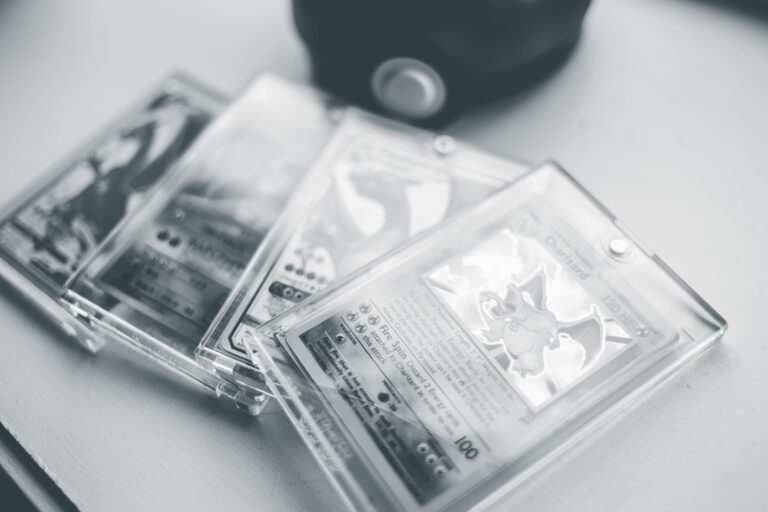
A charizard Base Set PSA 3 with print lines and corner damage typically sells in the range of $150 to $350, depending on market conditions and the severity of the defects. This represents a significant discount from higher-grade examples””a PSA 9 Charizard Base Set often commands $1,500 to $3,000 or more, while PSA 10 specimens have sold for five figures. The PSA 3 grade places the card in the lower tier of graded examples, but the Charizard’s cultural significance ensures even heavily worn copies retain meaningful value.
Print lines specifically can push values toward the lower end of the PSA 3 range because they’re considered manufacturing defects rather than handling damage. Some collectors view print lines more negatively than corner wear since the card left the factory already imperfect. Corner damage visible enough to contribute to a PSA 3 grade typically means rounded, dinged, or creased corners that detract from the card’s visual appeal but don’t destroy its structural integrity.
- Current market average for PSA 3 Charizard Base Set with visible print lines: $175-$275
- Sales with severe corner damage in addition to print lines trend toward: $150-$200
- Examples with moderate defects and strong eye appeal can reach: $300-$350
- First edition versions in PSA 3 with similar flaws command significantly more: $800-$1,500

Understanding PSA Grading Standards For Charizard Base Set Cards
psa‘s grading scale runs from 1 (Poor) to 10 (Gem Mint), with a PSA 3 designation indicating “Very Good” condition. At this grade level, PSA’s standards allow for “very light scratches, some corner wear, centering must be less than 70/30, and a minor printing imperfection is possible.” The key phrase here is that printing imperfections are already factored into the PSA 3 assessment””meaning your card’s print lines were noted during grading and contributed to the final score.
Corner damage falls into PSA’s evaluation of “surface wear” and “corner sharpness.” A PSA 3 permits corners that show noticeable rounding, light fraying, or minor dings. The card shouldn’t have creases running through the image area or severe structural problems, but handling wear from 25+ years of existence is expected and accepted at this grade level. Understanding these standards helps collectors set realistic expectations about what a PSA 3 Charizard actually looks like in hand.
- PSA 3 allows moderate centering issues up to 70/30 front and 90/10 back
- Light surface scratches visible under direct lighting are permitted
- Edge wear including whitening and minor chipping is acceptable
- The holographic surface can show light scratches without disqualification
- Print lines, roller marks, and ink spots fall under manufacturing defect allowances
Print Lines On Pokemon Cards And Their Effect On Value
Print lines occur during the manufacturing process when ink rollers leave thin, visible lines across the card surface. These defects originated at the printing facility and have nothing to do with how the card was handled after leaving the factory. On holographic cards like the Charizard, print lines often appear more prominent because they can interfere with the foil pattern, creating visual disruption across the artwork.
The Pokemon card community holds varying opinions on print lines. Some collectors consider them deal-breakers regardless of a card’s other qualities, while others accept them as part of vintage card collecting. Cards from the 1999 Base Set were produced in massive quantities with quality control standards that wouldn’t meet today’s expectations, making print lines relatively common on cards from this era. For a PSA 3 Charizard, print lines may have been the primary factor in the low grade or one of several issues evaluated together.
- Horizontal print lines running through Charizard’s artwork reduce eye appeal most significantly
- Print lines in the border or text areas affect value less than those across the holographic image
- Multiple prominent print lines can push a card toward PSA 2 territory
- Some print lines only become visible under certain lighting conditions
- Factory defects cannot be improved through cleaning or restoration
Buying A PSA 3 Charizard Base Set With Print Lines: What To Look For
Purchasing a lower-grade Charizard requires careful attention to actual card photos rather than relying solely on the PSA grade. Two cards both graded PSA 3 can look dramatically different in hand, and print lines in particular vary widely in severity. Always request or examine clear, high-resolution images showing the card’s surface under good lighting before committing to a purchase.
The position and visibility of defects matter enormously for display purposes. A PSA 3 Charizard with print lines confined to the yellow border will present far better than one with lines running directly through Charizard’s face or the iconic flame tail. Similarly, corner damage concentrated on the back of the card affects visual presentation less than front-facing corner wear. Smart buyers identify cards where the defects minimize visual impact while still benefiting from the lower PSA 3 price point.
- Request photos under multiple lighting angles to reveal all print lines
- Check that the PSA case isn’t cracked, scratched, or showing moisture damage
- Verify the PSA certification number on PSA’s online database
- Compare asking prices against recent eBay sold listings for similar grades
- Factor in shipping costs and buyer protection when selecting a marketplace
Common Issues When Selling A PSA 3 Charizard With Visible Defects
Sellers of lower-grade Charizards face the challenge of setting appropriate prices that attract buyers while reflecting fair market value. Overpricing PSA 3 examples leads to extended listing times and potential buyer distrust, while underpricing leaves money on the table. The key lies in transparent photography and accurate descriptions that let buyers assess the specific defects for themselves.
Print lines require particular attention in listing descriptions because they can appear invisible in certain photos yet obvious in others. Photographing the card at angles that clearly show print lines and corner damage builds buyer confidence and reduces return requests or negative feedback. Many PSA 3 sales fall through when buyers receive cards with defects more severe than listing photos suggested, making thorough documentation essential for successful transactions.
- Photograph cards on a neutral background with consistent lighting
- Include close-up shots of each corner, front and back
- Capture the holographic surface at multiple angles to reveal print lines
- State the PSA certification number in your listing for verification
- Price according to completed sales of similarly defected cards, not asking prices

First Edition Versus Unlimited Charizard Base Set PSA 3 Values
The distinction between First Edition and unlimited prints dramatically affects Charizard Base Set values across all grades, including PSA 3. First Edition cards feature a small “Edition 1” stamp on the left side of the card and were produced in the initial print run before subsequent Unlimited editions flooded the market. A First Edition Charizard PSA 3 with print lines and corner damage typically sells for $800 to $1,500″”roughly four to five times the value of an Unlimited version in identical condition.
This premium exists because First Edition Base Set cards are significantly rarer and represent the earliest English-language Pokemon cards ever produced. Collectors pursuing First Edition sets accept lower grades to complete their collections, creating consistent demand for PSA 3 examples. The presence of print lines and corner damage affects First Edition pricing similarly to Unlimited””expect values toward the lower end of the range when multiple defects combine, and toward the higher end when the card maintains decent eye appeal despite its grade.
How to Prepare
- Research recent sales data by checking eBay’s completed listings filter for “Charizard Base Set PSA 3” and noting which cards with visible print lines actually sold and at what prices. This real-world data provides more accurate guidance than price guides, which often lag behind market movements.
- Verify PSA certification by entering the card’s certification number at PSAcard.com/cert to confirm authenticity and review the original submission details. Counterfeit PSA cases exist in the market, making verification essential before any transaction.
- Document the card’s condition thoroughly by photographing under multiple lighting conditions if selling, or requesting such photos if buying. Print lines often hide in certain lighting, so comprehensive documentation protects all parties.
- Assess the specific defects by examining where print lines appear on the card surface and evaluating the severity of corner damage. Cards with defects in less visible areas command higher prices than those with problems directly affecting the main artwork.
- Determine your purpose for the card””whether for personal collection, investment, or resale””as this affects how much premium you should pay or accept for better eye appeal within the PSA 3 grade.
How to Apply This
- Set price expectations appropriately by using the $150-$350 range as a baseline for Unlimited PSA 3 Charizards with print lines and corner damage, adjusting based on defect severity and current market trends.
- Choose your marketplace strategically, with eBay offering the largest audience and price transparency, while platforms like PWCC Marketplace and Goldin Auctions suit higher-value First Edition examples.
- Negotiate informed by data by referencing specific comparable sales when making offers or defending your asking price, as sellers and buyers both respect evidence-based discussions.
- Build in buyer protection by using payment methods and platforms that offer dispute resolution, particularly for transactions exceeding $200 where verification of condition matters most.
Expert Tips
- Check the PSA population report to understand how many Charizard Base Set cards exist at each grade level””this context helps gauge relative rarity of PSA 3 examples compared to higher grades.
- Consider raw cards as alternatives if budget is primary concern, since ungraded Charizards in similar condition often sell for 20-40% less than their PSA 3 graded equivalents while providing the same collectible experience.
- Watch for “qualifier” designations on PSA labels, as cards labeled PSA 3 (MK) for “Mark” or PSA 3 (PD) for “Print Defect” explicitly note specific issues and may trade at slight discounts to standard PSA 3 labels.
- Time purchases during market corrections, as Pokemon card prices fluctuate seasonally and during economic downturns, potentially offering better entry points for lower-grade cards.
- Store PSA-graded cards properly by keeping them away from direct sunlight, extreme temperatures, and humidity to prevent case degradation and maintain the card’s current condition.
Conclusion
The value of a Charizard Base Set PSA 3 with print lines and corner damage sits firmly in the $150-$350 range for Unlimited versions, with First Edition examples commanding $800-$1,500 despite similar condition issues. These prices reflect the card’s status as one of the most iconic collectibles in Pokemon history while acknowledging that significant wear and manufacturing defects limit its grade ceiling. For collectors seeking to own a genuine 1999 Charizard without paying four-figure prices, PSA 3 examples offer authentic pieces of Pokemon history at accessible price points.
Understanding how print lines and corner damage specifically affect grading and value empowers both buyers and sellers to transact fairly. The market for lower-grade Charizards remains active precisely because not everyone needs or can afford gem mint examples, and a PSA 3 Charizard displayed in its slab still showcases the same artwork and carries the same nostalgic weight as its higher-graded counterparts. Whether adding to a personal collection or testing the waters of Pokemon card investment, informed decisions based on current market data lead to satisfying outcomes on both sides of the transaction.
Frequently Asked Questions
How long does it typically take to see results?
Results vary depending on individual circumstances, but most people begin to see meaningful progress within 4-8 weeks of consistent effort. Patience and persistence are key factors in achieving lasting outcomes.
Is this approach suitable for beginners?
Yes, this approach works well for beginners when implemented gradually. Starting with the fundamentals and building up over time leads to better long-term results than trying to do everything at once.
What are the most common mistakes to avoid?
The most common mistakes include rushing the process, skipping foundational steps, and failing to track progress. Taking a methodical approach and learning from both successes and setbacks leads to better outcomes.
How can I measure my progress effectively?
Set specific, measurable goals at the outset and track relevant metrics regularly. Keep a journal or log to document your journey, and periodically review your progress against your initial objectives.
When should I seek professional help?
Consider consulting a professional if you encounter persistent challenges, need specialized expertise, or want to accelerate your progress. Professional guidance can provide valuable insights and help you avoid costly mistakes.
What resources do you recommend for further learning?
Look for reputable sources in the field, including industry publications, expert blogs, and educational courses. Joining communities of practitioners can also provide valuable peer support and knowledge sharing.