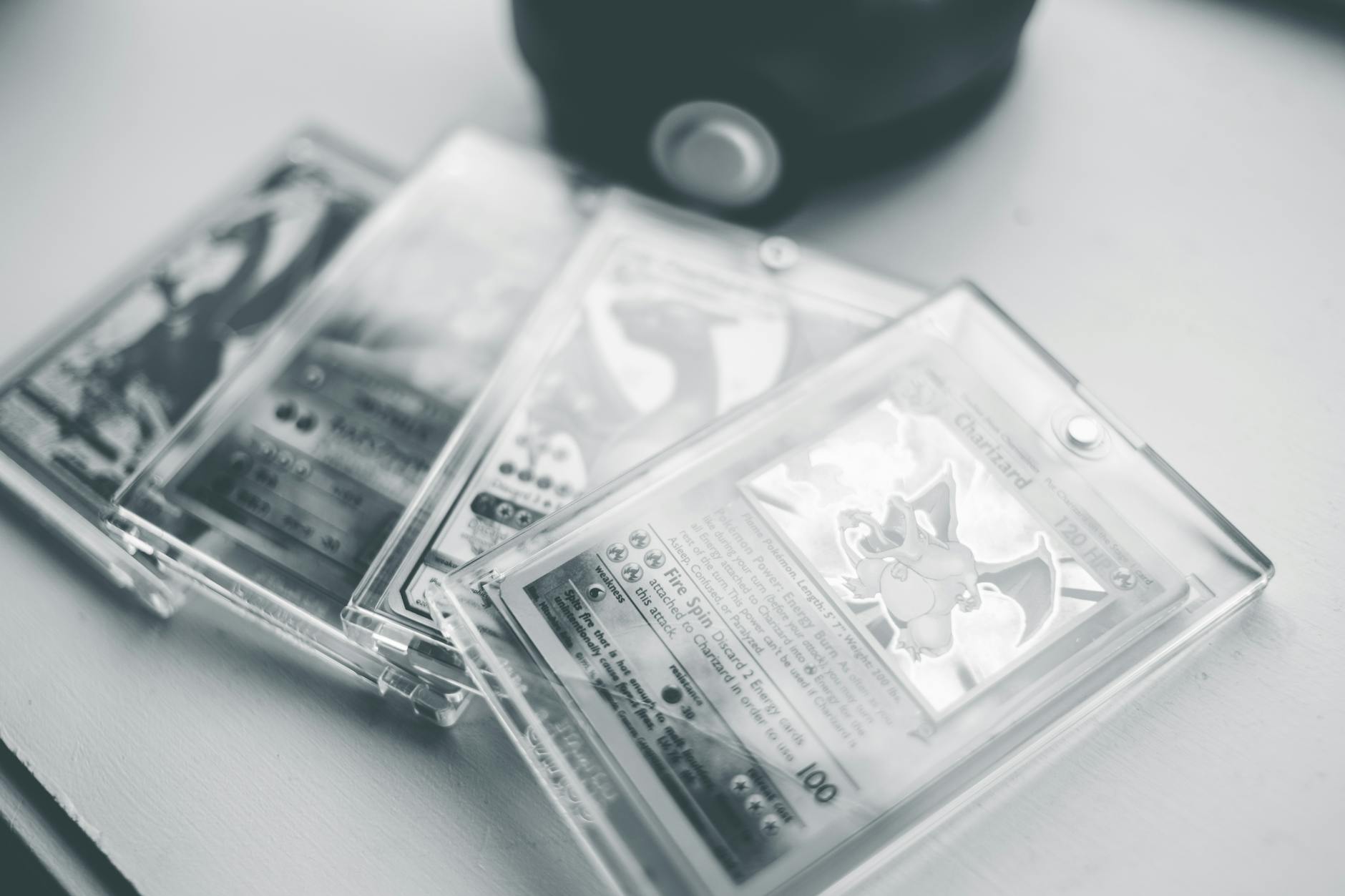
The value of a Charizard Base Set PSA 2 with surface scratches and whitening typically ranges from $150 to $400, depending on market conditions, the specific characteristics of the card, and buyer demand at any given time. This price point represents a significant discount from higher-graded examples, yet the card remains one of the most sought-after collectibles in the Pokemon trading card hobby. Understanding what drives this valuation requires examining how PSA grading works, what surface scratches and whitening mean for a card’s condition, and why collectors continue to pursue even heavily flawed examples of this iconic card. For collectors operating on a budget or those who simply want to own a piece of Pokemon history without spending thousands of dollars, PSA 2 Charizards occupy an interesting market position.
They offer authenticated ownership of a genuine 1999 Base Set Charizard at a fraction of the cost of near-mint specimens, which can command prices exceeding $10,000. The trade-off involves accepting visible imperfections that would disqualify the card from higher grades, including the surface scratches and edge whitening that frequently appear on cards from this era due to printing processes and decades of handling. This article breaks down exactly what determines the value of a low-grade Charizard Base Set card, how surface scratches and whitening affect pricing, and what collectors should know before buying or selling one. By the end, readers will understand PSA’s grading criteria for a 2 designation, current market dynamics for damaged vintage cards, and practical strategies for evaluating whether a PSA 2 Charizard represents a worthwhile addition to a collection.
Table of Contents
- Why Does A Charizard Base Set Card With A PSA 2 Grade Still Hold Value?
- Understanding Surface Scratches And Whitening On Base Set Charizard Cards
- Current Market Prices For PSA 2 Charizard Base Set Cards In 2024-2025
- How PSA Grading Criteria Determine A Grade 2 For Vintage Pokemon Cards
- Common Issues That Drop Charizard Base Set Cards To PSA 2
- Is A PSA 2 Charizard Base Set Worth Buying For Investment Or Collection Purposes?
- How to Prepare
- How to Apply This
- Expert Tips
- Conclusion
- Frequently Asked Questions
Why Does A Charizard Base Set Card With A PSA 2 Grade Still Hold Value?
The Charizard Base Set card maintains psa-1-with-heavy-edge-wear-and-creases-2/” title=”What Is The Value Of A Charizard Base Set PSA 1 With Heavy Edge Wear And Creases”>value even at the lowest grades because of its unmatched cultural significance in the Pokemon trading card game. Released in January 1999 as part of the English-language debut of Pokemon cards, this holographic Charizard became the hobby’s most iconic chase card almost immediately. Children across North America and Europe tore through booster packs hoping to pull this specific card, and that emotional connection has translated into lasting collector demand nearly three decades later. PSA 2 represents the “Good” tier on Professional Sports Authenticator’s 10-point grading scale, indicating a card with significant wear but still identifiable as genuine and structurally intact. Cards receiving this grade typically display multiple flaws including heavy surface scratches, pronounced edge whitening, corner damage, and potential creasing.
Despite these imperfections, the card remains collectible because the image, text, and holographic foil pattern are still visible and the card has been authenticated as a legitimate original printing rather than a counterfeit or reproduction. Market dynamics also support continued value for low-grade examples. The supply of Base Set Charizards is finite, as Wizards of the Coast printed these cards only during a specific window in 1999. Every year, some portion of surviving cards gets lost, destroyed, or permanently removed from circulation in private collections. Meanwhile, the collector base continues to grow as Pokemon maintains cultural relevance through video games, television, and new card releases. This supply-demand imbalance means even damaged cards find willing buyers.
- Nostalgia drives purchases from collectors who remember seeking this card as children
- Authentication through PSA eliminates concerns about counterfeit cards in the market
- Budget-conscious collectors can own the hobby’s most famous card without five-figure expenditures

Understanding Surface Scratches And Whitening On Base Set Charizard Cards
surface scratches on Pokemon cards occur when the printed surface layer experiences friction against other surfaces, leaving visible marks that disrupt the card’s appearance. On holographic cards like the Base Set Charizard, scratches become particularly noticeable because they interfere with the reflective foil pattern that makes these cards visually distinctive. Light hitting a scratched holographic surface scatters unpredictably rather than producing the clean rainbow shimmer collectors prize. The 1999 printing technology and protective coatings used by Wizards of the Coast proved susceptible to scratching, meaning even cards stored carefully for years often display some degree of surface wear. Whitening refers to the deterioration of the card’s blue backing along edges and corners, where the colored ink layer wears away to reveal the white cardstock beneath.
This occurs through normal handling, shuffling during gameplay, and friction against other cards or storage materials. Base Set cards are particularly prone to whitening because the printing quality of early Pokemon cards did not include the edge reinforcement found in modern productions. A card with pronounced whitening along all four edges and visible corner wear typically lands in PSA 2-4 territory depending on the severity. For a card to receive PSA 2 specifically, surface scratches and whitening must be substantial enough to significantly detract from the card’s appearance while stopping short of damage that would render it ungradeable. A PSA 2 Charizard might display scratches visible from arm’s length, whitening covering 30-50% of edge surfaces, and corners showing noticeable rounding or fraying. The holographic image remains intact and the card maintains structural integrity without tears, holes, or missing pieces.
- Heavy scratches crossing the holographic Charizard artwork reduce eye appeal substantially
- Edge whitening visible on all four sides indicates extensive handling or poor storage
- Corner damage compounds other issues but must not include creases breaking through the surface
Current Market Prices For PSA 2 Charizard Base Set Cards In 2024-2025
Recent sales data from eBay, PWCC Marketplace, and heritage auction platforms shows PSA 2 Base Set Charizards selling between $150 and $400 throughout 2024 and into early 2025. This range reflects significant variability based on whether the card is shadowless or unlimited, the specific nature of the damage affecting the grade, and overall market sentiment toward vintage Pokemon at the time of sale. Cards at the lower end of this range typically display particularly unappealing damage or sold during periods of reduced collector activity, while those approaching $400 often benefited from competitive bidding or represented shadowless variants. The distinction between shadowless and unlimited printings matters considerably even at PSA 2. Shadowless Base Set cards, printed in the initial run before Wizards of the Coast adjusted the card frame design, carry a premium of roughly 50-100% over unlimited versions at most grade levels.
A PSA 2 shadowless Charizard might fetch $300-600, while an unlimited example with similar damage characteristics sells for $150-300. First edition Base Set Charizards in PSA 2 are exceptionally rare since collectors historically protected these cards more carefully, and when they do appear, prices can exceed $1,000 despite the low grade. Market timing also influences realized prices substantially. The Pokemon card market experienced a dramatic boom during 2020-2021, when PSA 2 unlimited Charizards briefly sold for $500-800. Subsequent market cooling brought prices closer to current levels, though values have stabilized rather than continuing to decline. Collectors watching the market should expect prices to fluctuate 20-30% based on broader economic conditions, Pokemon media releases, and seasonal buying patterns that peak around the winter holidays.
- Unlimited PSA 2 Charizards: $150-300 in typical market conditions
- Shadowless PSA 2 Charizards: $300-600 depending on specific damage
- First Edition PSA 2 Charizards: $1,000+ when available, though extremely uncommon
How PSA Grading Criteria Determine A Grade 2 For Vintage Pokemon Cards
Professional Sports Authenticator assigns grades based on a comprehensive evaluation of four primary characteristics: centering, corners, edges, and surface condition. For a card to receive PSA 2, it must exhibit significant defects in multiple categories while remaining structurally sound enough to warrant encapsulation. The grading process involves trained professionals examining cards under magnification and controlled lighting to identify every flaw affecting the card’s presentation. Centering at PSA 2 can be severely off, with the printed image shifted dramatically toward one side or corner. While centering alone rarely drops a card below PSA 4-5, poor centering combined with surface and edge issues contributes to the cumulative grade. Corners at PSA 2 show heavy wear including significant rounding, soft edges, and potential fraying where the cardstock layers separate slightly.
These corner defects must not progress to actual tears or missing material, which could push the card into PSA 1 “Poor” or Authentic-only designations. Surface grading represents the most subjective component and often determines whether a card grades PSA 2 versus PSA 3 or PSA 1. Scratches must be clearly visible but cannot obliterate the printed image. Print defects, staining, and minor surface contamination factor into this assessment. For holographic cards specifically, graders evaluate how damage affects the reflective properties of the foil. A Charizard with scratches primarily concentrated on the non-holographic yellow border might grade higher than one with scratches crossing the central holographic artwork, even if total scratch coverage appears similar.
- Centering can be 90/10 or worse at PSA 2 without disqualifying the card
- Corner wear showing visible cardboard through the colored edge coating is typical
- Surface scratches visible without magnification indicate PSA 2-3 territory
Common Issues That Drop Charizard Base Set Cards To PSA 2
Several specific damage patterns frequently result in PSA 2 grades for Base Set Charizards, and understanding these helps collectors evaluate potential purchases or set realistic expectations when submitting cards for grading. Shuffle wear represents one of the most common culprits, creating a distinctive pattern of surface scratches concentrated in the center of the card where fingers grip during shuffling. Cards that saw significant play in the late 1990s or early 2000s almost universally display this damage pattern. Water damage, even when relatively minor, dramatically reduces grades. Cards exposed to moisture often develop subtle warping, surface texture changes, or staining that graders immediately identify. A Charizard that survived a spilled drink or humid storage environment might present surface issues that look mild to untrained eyes but signal significant structural compromise to professional graders.
Similarly, cards stored against window glass or in direct sunlight may exhibit fading or color shifting that affects grades. Improper storage accounts for substantial damage in vintage collections. Cards stored loose in shoeboxes, pressed in books, or left in original starter deck packaging without sleeves accumulated damage over years or decades. Rubber bands wrapped around card stacks created distinctive indentations. Binder storage in ring binders caused scratches from the rings themselves or from cards sliding against each other in overstuffed pages. These storage-related damage patterns often combine with play wear to produce cards that grade PSA 2-4 despite never experiencing a single dramatic damaging event.
- Shuffle wear creates consistent scratching across the card’s center
- Moisture exposure causes warping and texture changes that graders penalize heavily
- Decades of improper storage accumulates damage incrementally
Is A PSA 2 Charizard Base Set Worth Buying For Investment Or Collection Purposes?
The investment case for PSA 2 Charizards depends entirely on individual financial goals, risk tolerance, and time horizon. As pure financial investments, low-grade vintage Pokemon cards carry significant uncertainty. While prices have generally trended upward over the past decade when viewed in aggregate, individual years have seen substantial volatility. A collector who purchased a PSA 2 unlimited Charizard at the 2021 peak paid roughly double current market value and would need years of appreciation to break even. Conversely, those who purchased during market lulls have seen reasonable returns. For collectors prioritizing ownership over profit, PSA 2 Charizards offer genuine value.
These cards provide authenticated, encapsulated examples of Pokemon’s most iconic card at accessible price points. A collector can display a PSA 2 Charizard alongside higher-graded cards without the constant anxiety that accompanies owning a five-figure PSA 9 or 10. The psychological comfort of owning a “beater” grade card that you genuinely enjoy without worrying about every environmental factor affecting its value has real worth that doesn’t appear on spreadsheets. The “entry point” strategy deserves consideration for collectors building toward higher grades. Purchasing a PSA 2 now provides immediate satisfaction of ownership while saving toward an eventual upgrade. If market conditions improve and the PSA 2 appreciates, it can be sold to fund a portion of a higher-graded purchase. If market conditions deteriorate, the collector still owns a genuine Base Set Charizard that retains substantial intrinsic value as a collectible regardless of price fluctuations.
- Investment returns are unpredictable and depend heavily on market timing
- Collecting for personal enjoyment removes pressure of market performance
- Low-grade examples can serve as placeholders while saving for upgrades
How to Prepare
- Verify the PSA certification number through PSA’s online database at psacard.com/cert. Every graded PSA card receives a unique certification number printed on the label and engraved in the case. Inputting this number confirms the card exists in PSA’s records, displays the grade and card description, and shows an image if the card was graded recently enough for photo documentation. Counterfeit PSA cases exist in the market, and verification takes only seconds.
- Examine high-resolution photographs of the actual card being sold, not stock images. Request front and back photos showing the card at angles that reveal surface scratches, edge whitening, and any other damage. Legitimate sellers of graded cards routinely provide detailed photography because buyer expectations need management at lower grades. Sellers using only one or two generic images may be hiding damage patterns that would discourage purchase.
- Research recent comparable sales on eBay’s sold listings filter and auction aggregator sites like 130point, Mavin, or the price guide. Compare the card being considered to recently sold examples with similar damage characteristics. A PSA 2 with scratches primarily on the border may warrant higher pricing than one with scratches across the holographic image, even though both share the same grade.
- Evaluate the seller’s reputation through feedback scores, return policies, and years of operation. Established card dealers and auction houses provide more reliable transactions than anonymous marketplace sellers. The modest price difference between buying from a reputable source versus the absolute cheapest listing usually represents worthwhile insurance against receiving misrepresented merchandise.
- Factor in total acquisition costs including shipping, insurance, and potential import duties for international purchases. A card listed at $175 might cost $200+ delivered when these factors combine, potentially making a slightly higher-priced local listing the better value.
How to Apply This
- Set a maximum purchase price based on recent sales data before entering negotiations or auctions. Emotional bidding during competitive auctions frequently results in paying 20-40% above fair market value. Predetermined limits prevent regrettable overpayment.
- Consider the card’s role within your broader collection when assessing value. A PSA 2 Charizard completing a Base Set collection holds different personal value than one purchased purely for display or speculation. Personal significance can justify paying toward the higher end of market range.
- Store the graded card properly upon receipt by keeping it away from direct sunlight, extreme temperatures, and high humidity. While PSA cases provide substantial protection, environmental factors still affect long-term preservation. A climate-controlled environment extends the case’s protective lifespan and the card’s condition stability.
- Document your purchase with photographs and retain all transaction records for insurance purposes and potential future sale. Provenance documentation increasingly matters in the vintage card market as collectors grow more sophisticated about authentication and chain of custody.
Expert Tips
- Prioritize cards where damage concentrates on the border rather than the holographic artwork. The visual impact of scratches on the yellow border proves far less objectionable than scratches crossing Charizard’s image, even though both might receive identical PSA 2 grades.
- Watch for PSA 2 cards with qualifier designations such as “MC” (miscut) or “OC” (off-center) on the label. These qualifiers indicate the primary grading factor, meaning the card might have relatively clean surfaces despite the low grade. Such cards sometimes represent better eye appeal than straight PSA 2 designations.
- Consider purchasing ungraded damaged Charizards and submitting them yourself only if you understand grading economics. PSA submission fees, shipping insurance, and wait times often exceed $50-100 total. Unless the raw card costs significantly less than graded market value minus these expenses, buying already-graded makes more financial sense.
- Join Pokemon collecting communities on Reddit, Discord, and collector forums before making significant purchases. These communities provide real-time market intelligence, warnings about problematic sellers, and opportunities to purchase from trusted community members at fair prices.
- Track your purchase against market movements quarterly rather than daily. Vintage card prices fluctuate constantly based on auction timing, influencer attention, and random market noise. Evaluating performance over longer periods provides more meaningful insight into whether your collecting strategy is working.
Conclusion
The value of a Charizard Base Set PSA 2 with surface scratches and whitening reflects the intersection of cultural significance, market dynamics, and practical collecting realities. At $150-400 for unlimited versions and $300-600 for shadowless examples, these cards offer authenticated ownership of Pokemon’s most iconic collectible at accessible price points. Understanding PSA grading criteria, recognizing common damage patterns, and evaluating cards carefully before purchase positions collectors to make informed decisions about whether a specific PSA 2 Charizard represents worthwhile value. Whether purchasing for nostalgic satisfaction, as a stepping stone toward higher grades, or as a speculative holding, PSA 2 Charizards serve legitimate purposes in collecting strategies.
The key lies in entering transactions with clear eyes about what these cards are and are not. They are genuine pieces of Pokemon history that have survived decades with significant wear. They are not pristine collectibles or guaranteed appreciating assets. Collectors who embrace the character that comes with heavy play wear often find these cards more personally meaningful than perfect specimens locked in safes, and the money saved leaves room for expanding collections in other directions.
Frequently Asked Questions
How long does it typically take to see results?
Results vary depending on individual circumstances, but most people begin to see meaningful progress within 4-8 weeks of consistent effort. Patience and persistence are key factors in achieving lasting outcomes.
Is this approach suitable for beginners?
Yes, this approach works well for beginners when implemented gradually. Starting with the fundamentals and building up over time leads to better long-term results than trying to do everything at once.
What are the most common mistakes to avoid?
The most common mistakes include rushing the process, skipping foundational steps, and failing to track progress. Taking a methodical approach and learning from both successes and setbacks leads to better outcomes.
How can I measure my progress effectively?
Set specific, measurable goals at the outset and track relevant metrics regularly. Keep a journal or log to document your journey, and periodically review your progress against your initial objectives.
When should I seek professional help?
Consider consulting a professional if you encounter persistent challenges, need specialized expertise, or want to accelerate your progress. Professional guidance can provide valuable insights and help you avoid costly mistakes.
What resources do you recommend for further learning?
Look for reputable sources in the field, including industry publications, expert blogs, and educational courses. Joining communities of practitioners can also provide valuable peer support and knowledge sharing.
You Might Also Like
- What Is The Value Of A Charizard Base Set PSA 2 With Surface Scratches And Whitening
- What Is The Value Of A Charizard Base Set PSA 4 With Minor Creasing And Play Wear
- What Is The Value Of A Charizard Base Set PSA 3 With Print Lines And Corner Damage