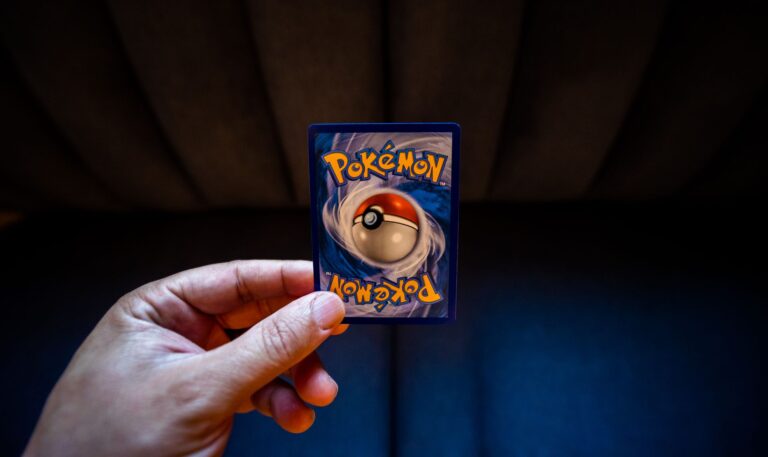
The value of a First Edition Charizard Base Set PSA 2 typically ranges between $1,500 and $3,500, making it one of the more accessible entry points for collectors seeking this legendary card. While a PSA 2 grade indicates significant wear and flaws, the First Edition Charizard from the 1999 Base Set remains one of the most coveted cards in the entire Pokemon Trading Card Game hobby. Understanding what drives pricing at this grade level helps collectors make informed decisions about whether to pursue this iconic piece of Pokemon history. For many enthusiasts, the question of value extends beyond simple dollar amounts.
A PSA 2 graded First Edition Charizard represents a card with notable imperfections””heavy whitening on edges, surface scratches, corner damage, or centering issues that fall well below the standards of higher grades. Yet despite these flaws, the card still commands substantial prices because of its historical significance as the crown jewel of the original Pokemon card release. Collectors often debate whether purchasing a lower-grade copy makes sense versus saving for a higher-grade specimen, and the answer depends entirely on individual collecting goals and budget constraints. By the end of this article, readers will understand exactly what determines the value of a PSA 2 First Edition Charizard, how recent market trends have affected pricing, what factors could influence future values, and whether this grade represents a smart collecting decision. The information provided here draws from actual sales data, grading population reports, and market analysis to give collectors a comprehensive picture of where this particular card sits within the broader collectibles landscape.
Table of Contents
- How Much Is a First Edition Charizard Base Set Worth in PSA 2 Condition?
- Understanding PSA Grading Scale and What PSA 2 Means for Charizard Values
- Historical Price Trends for Low-Grade First Edition Base Set Charizard Cards
- Factors That Determine the Exact Value of Your PSA 2 First Edition Charizard
- Why Collectors Buy PSA 2 First Edition Charizard Cards Despite Condition Issues
- Comparing PSA 2 Charizard Values Across Different Base Set Variations
- How to Prepare
- How to Apply This
- Expert Tips
- Conclusion
- Frequently Asked Questions
How Much Is a First Edition Charizard Base Set Worth in PSA 2 Condition?
A First Edition charizard Base Set in PSA 2 condition currently sells for approximately $1,500 to $3,500, depending on the specific characteristics of the card and current market conditions. This price point represents roughly 3-5% of what a PSA 10 gem mint copy would cost, which typically trades in the $300,000 to $400,000 range. The substantial discount reflects the significant condition issues present in cards receiving a “Good” grade from PSA, but the raw dollar amounts still demonstrate the extraordinary demand for any authenticated First Edition Charizard. Recent completed sales on platforms like eBay and PWCC Marketplace show considerable price variation within the PSA 2 grade. Cards with more appealing eye appeal””perhaps with damage concentrated on the back rather than the front, or with the iconic Charizard artwork remaining relatively clean””tend to sell toward the higher end of the range.
Conversely, copies with prominent scratches across the holographic surface or severe corner damage may struggle to reach $1,500. Authentication and encapsulation by PSA adds legitimacy and liquidity to these sales, as raw cards in similar condition often sell for 30-50% less due to buyer uncertainty about authenticity and actual condition. The PSA 2 grade specifically indicates a card that shows “extreme wear” but remains intact without tears or missing pieces. According to PSA’s grading standards, such cards may display heavy edge whitening on both front and back surfaces, noticeable surface scratches, rounded or damaged corners, and centering that falls well outside acceptable parameters. For the First Edition Charizard, even cards in this compromised state retain value because the combination of the Charizard character, the First Edition stamp, and the Base Set origin creates a collecting trifecta that transcends condition concerns for many buyers.
- PSA 2 indicates “Good” condition with extreme wear but structural integrity
- Current market range sits between $1,500 and $3,500 for most sales
- Eye appeal within the grade significantly affects final sale prices
Understanding PSA Grading Scale and What PSA 2 Means for Charizard Values
The Professional Sports Authenticator grading scale runs from psa 1 (Poor) to PSA 10 (Gem Mint), with PSA 2 sitting near the bottom as “Good” condition. This designation signals to potential buyers that the card has experienced significant handling, storage issues, or damage over its 25-plus year existence. For a First Edition Charizard, the journey from pack-fresh condition in 1999 to a PSA 2 grade today tells a story of heavy play, improper storage, or unfortunate accidents that left their mark on the cardboard. Understanding what differentiates a PSA 2 from adjacent grades helps contextualize the value proposition. A PSA 1 “Poor” card might have creases, writing, or holes that compromise structural integrity, while a PSA 3 “Very Good” card shows less severe versions of similar issues.
The jump from PSA 2 to PSA 3 in terms of value can be substantial””often representing a $500 to $1,000 difference””because PSA 3 copies are more visually appealing while remaining in the “affordable” range for budget-conscious collectors. Meanwhile, PSA 4 “Very Good-Excellent” copies typically command $4,000 to $6,000, demonstrating how quickly prices escalate as condition improves. The population of PSA 2 First Edition Charizards remains relatively small compared to higher grades. As of late 2024, approximately 300-400 copies have received the PSA 2 designation out of roughly 3,500 total graded First Edition Charizards across all grades. This population data matters because scarcity at any grade level affects pricing. However, unlike gem mint copies where every example is essentially interchangeable, lower-grade cards vary significantly in appearance, meaning collectors often need to evaluate individual cards rather than simply purchasing the first available option at their target price.
- PSA 2 “Good” represents the second-lowest grade on the 1-10 scale
- Value gap between PSA 2 and PSA 3 can exceed $500-1,000
- Population reports show relatively few copies graded at PSA 2
Historical Price Trends for Low-Grade First Edition Base Set Charizard Cards
The market for PSA 2 First Edition Charizards has experienced dramatic fluctuations over the past five years, mirroring broader trends in the Pokemon collecting hobby. During the 2020-2021 Pokemon card boom, driven partly by pandemic-related nostalgia and increased disposable income, even low-grade copies of this iconic card saw prices multiply several times over. PSA 2 specimens that might have sold for $400-600 in early 2020 suddenly commanded $2,500-4,000 during the peak frenzy of late 2020 and early 2021. The market correction that followed the 2021 peak brought PSA 2 prices back to more sustainable levels. By mid-2022, these cards typically traded in the $1,200-2,000 range, representing a significant decline from peak values but still well above pre-boom prices.
This correction proved less severe for lower grades than for gem mint copies, where PSA 10 specimens dropped from over $400,000 to the $200,000-300,000 range. The percentage decline for PSA 2 cards was notably smaller, suggesting that budget-conscious collectors maintained demand even as speculative money left the market. Since 2023, PSA 2 First Edition Charizard values have stabilized and shown modest appreciation. The $1,500-3,500 current range represents a mature market where prices reflect genuine collector demand rather than speculative excess. Long-term data suggests that iconic cards in any condition tend to appreciate over decade-long timeframes, though short-term volatility remains possible. Collectors considering a PSA 2 purchase should understand this historical context””these cards have both spiked dramatically and corrected sharply within recent memory.
- Peak boom prices reached $2,500-4,000 in 2020-2021
- Post-correction stabilization occurred around $1,200-2,000 in 2022
- Current pricing represents a mature market with modest appreciation potential
Factors That Determine the Exact Value of Your PSA 2 First Edition Charizard
Within the PSA 2 grade, significant value variation exists based on several key factors that discerning collectors evaluate carefully. Eye appeal stands as perhaps the most important variable””a card can receive a PSA 2 for multiple different reasons, and some flaws are more aesthetically damaging than others. A copy with edge wear concentrated on the back and minimal front surface issues will typically sell for considerably more than one with prominent scratches across Charizard’s holographic image. Buyers routinely pay premiums of $500 or more for superior eye appeal within the same grade. The specific characteristics of the First Edition stamp and overall print quality also affect value. First Edition Base Set Charizards came from different print runs, and subtle variations exist in color saturation, holographic pattern clarity, and stamp positioning.
While these factors matter more at higher grades, knowledgeable collectors still evaluate them when purchasing PSA 2 copies. Additionally, the condition of the PSA holder itself plays a role””scratched or damaged cases can reduce perceived value even if the card inside remains unchanged. Market timing and sales venue significantly impact realized prices. Auction sales on major platforms like PWCC, Heritage, or Goldin tend to achieve higher prices than fixed-price eBay listings due to competitive bidding dynamics and buyer confidence in authentication. Seasonal patterns also emerge, with prices typically strengthening around the holiday season when gift-buying increases demand. A PSA 2 First Edition Charizard listed in December might sell for 10-15% more than an identical card listed in February, simply due to market dynamics.
- Eye appeal within grade creates $500+ price differentials
- Sales venue and timing affect realized prices significantly
- Print quality variations matter even at lower grades
Why Collectors Buy PSA 2 First Edition Charizard Cards Despite Condition Issues
The decision to purchase a PSA 2 First Edition Charizard reflects practical collecting philosophy for many enthusiasts. Budget constraints represent the most obvious factor””spending $2,000 on a PSA 2 is far more accessible than the $15,000-20,000 required for a PSA 7 or the astronomical sums needed for gem mint copies. For collectors who want to own a piece of Pokemon history without depleting their savings, lower grades provide the only realistic path to acquiring this iconic card. Some collectors specifically focus on completing sets at consistent grade levels rather than pursuing the highest possible grades. A collector building a PSA 2 First Edition Base Set would naturally need the Charizard in that grade to maintain consistency.
This set-building approach has gained popularity as gem mint collecting has become increasingly expensive, with dedicated communities forming around “low-grade challenges” that emphasize completing sets rather than chasing perfect specimens. Nostalgia drives many purchases regardless of condition. Adults who collected Pokemon cards as children often care more about owning the card itself than about its numerical grade. A PSA 2 First Edition Charizard encapsulated and displayed still represents the same character and the same era that defined their childhood collecting experiences. For these buyers, the card’s emotional significance far outweighs any concerns about edge whitening or surface scratches. The authentication and encapsulation by PSA simply provides assurance that the card is genuine””the grade itself becomes secondary to the ownership experience.
- Budget accessibility makes PSA 2 the entry point for many collectors
- Set builders maintaining consistent grades need lower-grade copies
- Nostalgia-driven purchases prioritize ownership over condition
Comparing PSA 2 Charizard Values Across Different Base Set Variations
Understanding how the PSA 2 First Edition Charizard compares to other Base Set Charizard variations provides important context for collectors. The Unlimited Base Set Charizard in PSA 2 typically sells for $100-200, representing a fraction of the First Edition price. This dramatic difference””roughly 15-20 times less valuable””demonstrates the premium that the First Edition stamp commands in the marketplace. Collectors on extremely tight budgets might consider the Unlimited version as an alternative that still provides the Base Set Charizard experience. The Shadowless Charizard occupies middle ground between First Edition and Unlimited versions. Shadowless cards were printed early in the Base Set run without the shadow effect under the card image frame but also without the First Edition stamp.
In PSA 2 condition, Shadowless Charizards typically sell for $400-800, making them approximately four times more expensive than Unlimited but still significantly cheaper than First Edition copies. For collectors who want rarity without the First Edition premium, Shadowless represents an attractive alternative. International First Edition printings add another layer of complexity to value comparisons. The Spanish, Italian, German, and other European First Edition Charizards command significantly lower prices than English versions””typically $200-500 in PSA 2 condition””due to reduced collector demand outside their respective markets. Japanese Base Set Charizards, while historically significant as the original printing, also trade at substantial discounts to English First Edition copies. These alternatives allow collectors to own First Edition Charizards at lower price points, though English versions retain their status as the most sought-after variant.
- Unlimited Base Set PSA 2 Charizard: $100-200
- Shadowless PSA 2 Charizard: $400-800
- International First Edition PSA 2 Charizard: $200-500
How to Prepare
- **Research current market prices extensively** by reviewing completed sales on eBay, PWCC Marketplace, and auction house results from the past 30-90 days. Avoid relying on listed prices, which often represent aspirational values rather than actual market rates. Document at least 10-15 recent sales to establish a reliable price range for the current market conditions.
- **Study the PSA population report** to understand how many copies exist at each grade level. Visit PSAcard.com and search for the specific card to view population data. This information helps contextualize rarity and ensures you understand where PSA 2 sits within the broader graded population of approximately 3,500 total First Edition Charizards.
- **Examine high-resolution images of available copies** before committing to purchase. Request additional photos if listings show only standard images, paying particular attention to the front surface holographic area, corners, edges, and centering. Within the PSA 2 grade, visual differences between copies can be substantial.
- **Verify seller reputation and return policies** by checking feedback ratings, transaction history, and platform protections. Established dealers and auction houses provide greater security than private sellers with limited history. Confirm that the seller accepts returns if the card arrives and doesn’t match the listing description or images.
- **Set a firm budget ceiling and stick to it** during the purchasing process, especially when bidding in auctions where competitive dynamics can push prices beyond reasonable levels. Determine the maximum amount you’re willing to pay before engaging with any listing, and resist the temptation to exceed that figure in the heat of bidding.
How to Apply This
- **Create saved searches and alerts** on major marketplaces including eBay, PWCC, and Goldin to receive notifications when PSA 2 First Edition Charizards become available. Acting quickly when well-priced copies appear gives you the best chance of securing cards with superior eye appeal at reasonable prices.
- **Compare individual listings against your research baseline** to identify cards priced below market value or offering exceptional eye appeal for the grade. Use your documented sales data to evaluate whether asking prices represent fair value, remembering that auction final prices often differ significantly from initial bids.
- **Engage with reputable dealers directly** if you have specific requirements for eye appeal or prefer to avoid the auction process. Many established Pokemon card dealers maintain inventory of graded vintage cards and can source specific grades upon request, sometimes at prices competitive with public auctions.
- **Document your purchase thoroughly** by saving all listing images, correspondence with sellers, and payment confirmations. This documentation proves valuable if disputes arise and establishes provenance for your collection records. Store digital files securely with backup copies.
Expert Tips
- **Focus on front surface condition over technical grade** when evaluating PSA 2 copies, as cards with clean holographic areas but severe back damage often display better than cards with prominent front scratches. The visual presentation matters more than the reasons behind the grade.
- **Consider buying during market quiet periods** such as late winter or early spring when collector attention typically decreases. Holiday season purchases face premium pricing due to increased demand, while off-peak months often yield better deals on identical cards.
- **Verify PSA certification numbers directly** through PSA’s online verification system before purchasing. Enter the certification number from the label into the PSA database to confirm the card’s authenticity and grade match what the seller claims. Counterfeit slabs exist in the market.
- **Join collector communities and forums** where members regularly share sales data, condition insights, and purchasing experiences. Platforms like Reddit’s r/PokemonTCG and dedicated Discord servers provide valuable real-world intelligence that supplements formal research.
- **Maintain realistic expectations about value appreciation** for PSA 2 copies. While First Edition Charizards have historically increased in value over long timeframes, lower grades typically appreciate more slowly than higher grades in percentage terms. Purchase primarily for collecting enjoyment rather than investment returns.
Conclusion
The First Edition Charizard Base Set PSA 2 represents a unique position in the Pokemon collecting hobby””a card iconic enough to command four-figure prices despite significant condition issues. Current values ranging from $1,500 to $3,500 make this the most accessible entry point for collectors seeking authenticated ownership of what many consider the most famous Pokemon card ever printed. Understanding the factors that influence pricing within this grade, from eye appeal variations to market timing, empowers collectors to make purchases aligned with their goals and budgets.
Whether a PSA 2 First Edition Charizard makes sense for your collection depends entirely on your personal collecting philosophy. For enthusiasts who prioritize ownership of iconic cards over pristine condition, for set builders maintaining consistent grades, and for budget-conscious collectors who refuse to let perfect become the enemy of good, the PSA 2 grade offers legitimate value. The authentication provides assurance of genuineness, the encapsulation protects against further damage, and the card itself delivers the same nostalgic connection that makes Pokemon collecting meaningful to millions of enthusiasts worldwide.
Frequently Asked Questions
How long does it typically take to see results?
Results vary depending on individual circumstances, but most people begin to see meaningful progress within 4-8 weeks of consistent effort. Patience and persistence are key factors in achieving lasting outcomes.
Is this approach suitable for beginners?
Yes, this approach works well for beginners when implemented gradually. Starting with the fundamentals and building up over time leads to better long-term results than trying to do everything at once.
What are the most common mistakes to avoid?
The most common mistakes include rushing the process, skipping foundational steps, and failing to track progress. Taking a methodical approach and learning from both successes and setbacks leads to better outcomes.
How can I measure my progress effectively?
Set specific, measurable goals at the outset and track relevant metrics regularly. Keep a journal or log to document your journey, and periodically review your progress against your initial objectives.
When should I seek professional help?
Consider consulting a professional if you encounter persistent challenges, need specialized expertise, or want to accelerate your progress. Professional guidance can provide valuable insights and help you avoid costly mistakes.
What resources do you recommend for further learning?
Look for reputable sources in the field, including industry publications, expert blogs, and educational courses. Joining communities of practitioners can also provide valuable peer support and knowledge sharing.