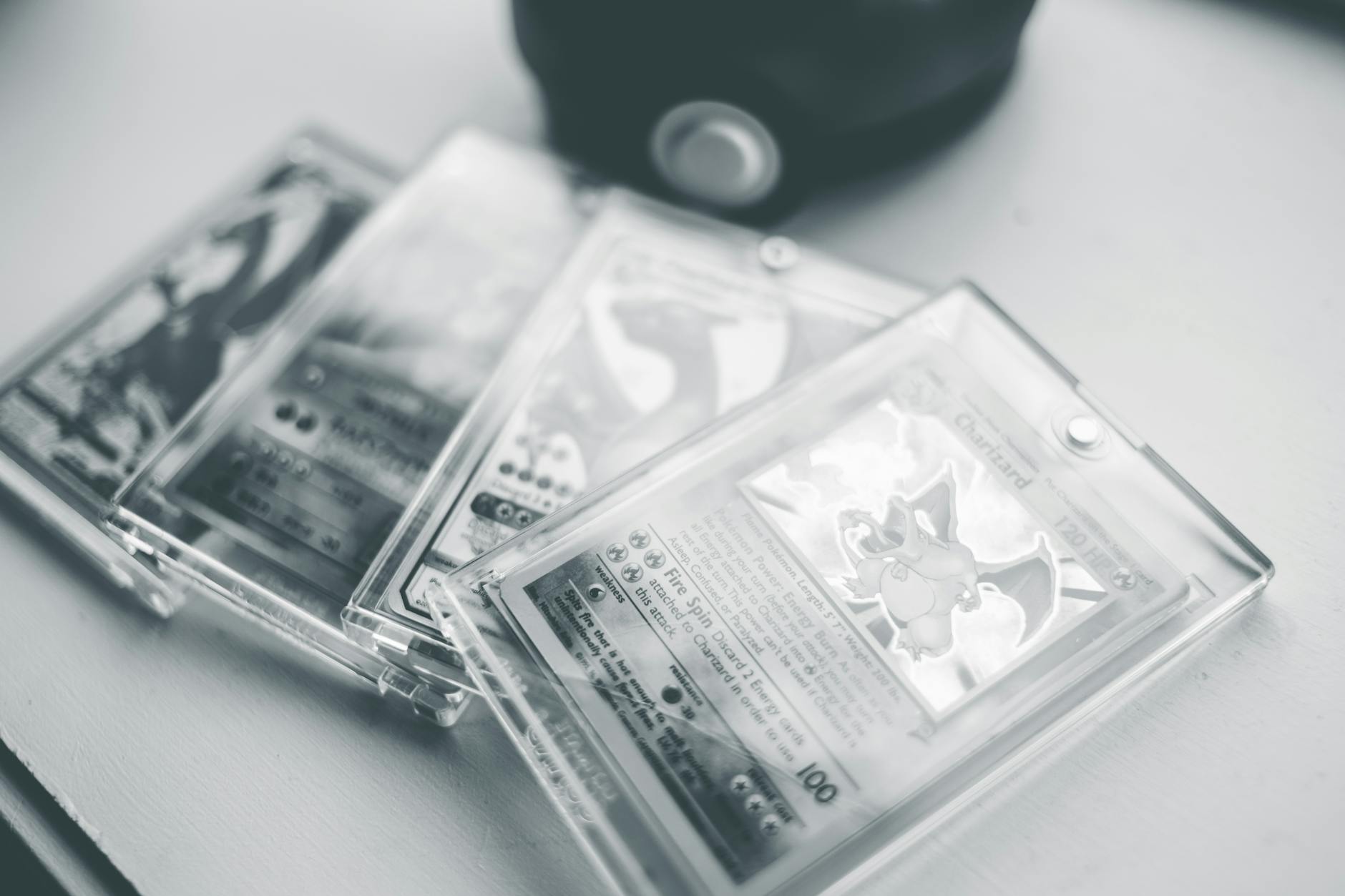
The value of a Charizard Base Set PSA 1 with heavy edge wear and creases represents one of the most misunderstood segments of the Pokemon card market. While collectors typically chase pristine PSA 10 specimens that command six-figure prices, the opposite end of the grading spectrum tells an entirely different story about condition, scarcity, and what collectors are actually willing to pay for damaged versions of this iconic card. Understanding PSA 1 Charizard values requires abandoning the assumption that lower grades automatically mean lower collector interest. PSA 1, designated as “Poor” on the Professional Sports Authenticator scale, represents cards with severe defects including heavy creasing, major edge wear, surface damage, and other significant condition issues.
For a Charizard Base Set card to receive this grade, it must exhibit substantial problems that go far beyond typical play wear. Yet paradoxically, these heavily damaged examples have developed their own collector following, driven by authentication value, entry-level pricing for iconic cards, and the surprising rarity of cards graded this low. This article examines the actual market value of PSA 1 Charizard Base Set cards, the factors that influence pricing for heavily worn specimens, authentication considerations, and realistic expectations for buyers and sellers. Whether you own a beat-up childhood Charizard or you’re considering purchasing an authenticated low-grade example, understanding this niche market segment provides valuable perspective on how condition interacts with desirability in the Pokemon collecting hobby.
Table of Contents
- Why Does A Charizard Base Set Card Receive A PSA 1 Grade With Heavy Edge Wear And Creases?
- Current Market Value Range For PSA 1 Charizard Base Set Cards
- The Authentication Premium: Why PSA 1 Commands More Than Raw Damaged Cards
- Population Reports And The Surprising Scarcity Of PSA 1 Charizards
- Factors That Affect Value Within The PSA 1 Grade
- Comparing PSA 1 Values To Other Low-Grade Charizard Options
- How to Prepare
- How to Apply This
- Expert Tips
- Conclusion
- Frequently Asked Questions
Why Does A Charizard Base Set Card Receive A PSA 1 Grade With Heavy Edge Wear And Creases?
psa assigns a grade of 1 to cards exhibiting the most severe condition issues on their 10-point scale. For a charizard Base Set to fall into this category, it must display multiple serious defects that render it virtually unacceptable by traditional collecting standards. Heavy edge wear manifests as significant fraying, chipping, or complete deterioration of the card’s borders. Deep creases””not surface scratches but actual folds in the cardboard””must be prominent and typically affect the structural integrity of the card itself.
The grading criteria for PSA 1 specifically encompasses cards with heavy wear on all corners and edges, severe staining or discoloration, tears that compromise the image or text, and creases that may extend across significant portions of the card face. A Charizard receiving this grade likely saw extensive play during the late 1990s Pokemon craze, potentially surviving binder storage failures, water damage, or simply years of handling by young collectors who valued gameplay over preservation. Understanding why cards receive this grade matters because it directly impacts value. A PSA 1 confirms that despite severe damage, the card is still authentic, complete enough to grade, and not altered or trimmed. The encapsulation provides certainty about authenticity that raw damaged cards cannot offer””a factor that increasingly matters as counterfeit Base Set Charizards become more sophisticated.
- Heavy edge wear includes fraying, whitening, and material loss along all four borders
- Creases must be significant enough to affect card structure, not merely surface impressions
- Additional defects like staining, corner damage, and surface scratches typically accompany the primary issues
- The card must remain complete enough to identify and authenticate despite damage
Current Market Value Range For PSA 1 Charizard Base Set Cards
Market data from 2024 and early 2025 shows PSA 1 Charizard Base Set cards selling in a range between $200 and $600, with most transactions clustering around $300 to $400. This pricing applies to the unlimited Base Set version; 1st Edition Base Set Charizards graded PSA 1 command significantly higher prices, typically ranging from $1,500 to $4,000 depending on the specific defects and buyer interest at auction. Several factors create variance within this range. The visual presentation of the damage matters considerably””a PSA 1 with creases primarily on the back may appear more attractive in display and fetch higher prices than one with obvious front-facing damage.
Auction timing, seller reputation, and the number of competing listings also influence final sale prices. During periods of high market activity, PSA 1 examples have occasionally exceeded typical ranges when multiple motivated buyers compete. Comparing these values to higher grades provides useful context. PSA 5 Charizard Base Set cards typically sell between $400 and $700, meaning the price differential between a PSA 1 and a moderately worn PSA 5 is surprisingly narrow. This compression occurs because the Charizard name carries inherent value regardless of condition, and authenticated examples at any grade provide something raw damaged cards cannot: certainty about authenticity and a permanent, tamper-evident case.
- Unlimited Base Set PSA 1: $200-$600 typical range
- 1st Edition Base Set PSA 1: $1,500-$4,000 typical range
- Shadowless Base Set PSA 1: $800-$1,500 typical range
- Price compression between PSA 1-5 grades reflects authentication premium
The Authentication Premium: Why PSA 1 Commands More Than Raw Damaged Cards
A raw Charizard Base Set with damage equivalent to PSA 1 criteria might sell for $50-$150 depending on the severity and type of defects. The substantial price jump to $300+ for the same card encapsulated at PSA 1 represents what collectors call the authentication premium. This premium exists because PSA encapsulation provides several guarantees that raw cards cannot offer, and these guarantees carry tangible value in a market increasingly concerned about counterfeits. The Pokemon card counterfeit market has grown alongside legitimate card values. Base Set Charizards, as the hobby’s most iconic card, receive the most counterfeiting attention. Modern fakes can fool casual collectors and sometimes even experienced ones examining raw cards in person.
PSA authentication includes expert examination under magnification and lighting conditions designed to detect known counterfeiting methods. Once authenticated, the card’s encapsulation in a tamper-evident case prevents substitution. Beyond anti-counterfeiting protection, PSA grading provides standardized condition documentation. A buyer purchasing a PSA 1 knows exactly what they’re getting””the defects warranting that grade are noted on the label and remain consistent regardless of who’s selling. Raw damaged cards require buyers to assess condition themselves, often from photographs that may obscure certain defects. This standardization reduces transaction friction and supports the price premium authenticated cards command.
- Authentication confirms the card is genuine, not a sophisticated counterfeit
- Encapsulation prevents future tampering or card substitution
- Standardized grading eliminates buyer uncertainty about actual condition
- Registry and certification numbers allow verification against PSA databases
Population Reports And The Surprising Scarcity Of PSA 1 Charizards
PSA population reports reveal an interesting phenomenon: PSA 1 Charizard Base Set cards are genuinely scarce compared to middle grades. As of early 2025, fewer than 200 unlimited Base Set Charizards have been graded PSA 1 out of over 100,000 total submissions. This scarcity exists not because heavily damaged Charizards are rare, but because owners of severely damaged cards historically saw little reason to pay grading fees for obviously defective specimens. The economics of grading damaged cards only recently began favoring PSA 1 submissions. When grading fees were $10-20 and PSA 1 Charizards sold for $50-100, submitting heavily damaged cards made little financial sense.
As overall Charizard values increased and authentication became more important, the math changed. A $30-50 grading fee for a card worth $300+ became reasonable, but years of submissions had already established population dynamics favoring middle and high grades. This scarcity creates an unusual collecting opportunity. Some collectors specifically pursue PSA 1 examples of iconic cards as conversation pieces or to complete grade runs spanning PSA 1-10. The limited population means finding available examples requires patience, and motivated buyers sometimes pay premiums above typical market values to secure specific cards.
- Fewer than 200 PSA 1 unlimited Charizard Base Set cards exist in the PSA population
- Historical grading economics discouraged low-grade submissions
- PSA 1 scarcity is artificial but affects availability
- Grade set collectors drive demand for authenticated low-grade examples
Factors That Affect Value Within The PSA 1 Grade
Not all PSA 1 Charizards are equal in collector appeal or market value. The specific nature of the damage significantly influences what buyers will pay. Cards with damage primarily confined to the back surface present better in display and typically command prices at the higher end of the range. Front-facing creases that cross the Charizard artwork reduce visual appeal and often sell toward the lower end despite technically sharing the same grade. Label variations also affect pricing.
Older PSA labels, particularly the “flip” style cases from earlier grading eras, carry collector premiums independent of the card grade. A PSA 1 Charizard in an older holder might sell for more than the same card in a modern holder simply due to case collector demand. First Edition Charizards obviously command the largest premiums, but Shadowless variants””identified by the lack of drop shadow on the right side of the artwork box””also sell for multiples of standard unlimited pricing. The presence of certain defect types can actually increase interest from niche collectors. Error or miscut cards that also received PSA 1 grades due to additional damage occupy a unique space where multiple collecting niches intersect. Similarly, cards with documented provenance or unusual damage patterns occasionally attract premium bids from collectors seeking distinctive examples.
- Visual presentation of damage affects buyer willingness to pay
- Back-focused damage typically sells higher than front-focused damage
- Holder variations (older labels, cases) add independent collector value
- Shadowless and 1st Edition variants multiply base PSA 1 values significantly
Comparing PSA 1 Values To Other Low-Grade Charizard Options
Collectors seeking affordable authenticated Charizards face choices across the lower grade spectrum. PSA 2 (Good) Charizard Base Set cards typically sell between $250 and $500, overlapping significantly with PSA 1 pricing. PSA 3 (Very Good) examples range from $300 to $600, again showing substantial overlap. This grade compression at lower levels reflects the market’s treatment of anything below PSA 5 as essentially “damaged but authenticated.” The value proposition changes when considering alternatives to PSA.
CGC and BGS both grade Pokemon cards and apply different standards, sometimes resulting in higher grades for cards that would receive PSA 1. A card graded CGC 1.5 or BGS 2 might actually have similar damage to a PSA 1, and these alternatives sometimes offer better value for condition-conscious buyers less concerned with the specific grading company. Raw card purchases represent the lowest-cost entry point but carry authentication risk. For collectors comfortable with that risk and possessing expertise to evaluate cards themselves, raw damaged Charizards at $50-150 offer significant savings. The decision between raw and graded depends on the collector’s confidence in authentication, intended use (display versus resale), and price sensitivity.
- PSA 2-4 prices overlap significantly with PSA 1, creating compressed value curve
- Alternative grading companies may assign higher grades to similar condition cards
- Raw damaged Charizards cost 50-80% less but carry authentication risk
- Resale value favors PSA encapsulation over raw or alternative grading companies
How to Prepare
- **Research recent sales data** by checking completed auctions on eBay, filtering specifically for PSA 1 Charizard Base Set cards sold within the past 90 days. Note the range of final prices and identify any patterns related to damage type or presentation quality. Avoid relying on current asking prices, which often exceed actual market values.
- **Verify the PSA certification number** through PSA’s online certification verification tool. Enter the number from the label to confirm the grade matches the card description and that no alterations have been reported. This step catches relabeled cases or misrepresented cards before money changes hands.
- **Examine photographs carefully** for the specific damage that warranted the PSA 1 grade. Request additional images if the listing doesn’t clearly show all defects. Understanding exactly what damage exists helps determine whether the price falls appropriately within the typical range.
- **Identify the specific variant** you’re dealing with””unlimited, Shadowless, or 1st Edition. Each carries dramatically different values even at PSA 1. Check for the shadow on the right edge of the artwork box and examine the edition stamp to correctly categorize the card.
- **Consider the holder condition** separately from the card grade. Scratched cases, broken hinges, or damaged labels may warrant case replacement services, adding cost to your purchase. Factor this into your offer price if the holder shows significant wear.
How to Apply This
- **Set a maximum purchase price** based on completed sales research, typically targeting the middle of recent sale ranges unless the specific card offers unusual appeal such as minimal front-facing damage or an older holder style.
- **Make offers below asking price** on platforms that allow negotiation. Sellers of PSA 1 cards often list optimistically; offers at 70-80% of asking price frequently succeed, particularly on listings that have been active for extended periods.
- **Document everything upon receipt** by photographing the package before opening, the card in its holder from multiple angles, and the certification number clearly visible. This documentation protects you if disputes arise about condition or authenticity.
- **Store appropriately** using proper card storage supplies designed for graded cards. PSA holders protect against most environmental damage but benefit from storage away from direct sunlight and extreme temperature or humidity fluctuations.
Expert Tips
- **Buy the card, not the grade** when shopping at PSA 1. Within this grade, visual presentation varies enormously. A technically deserved PSA 1 with damage that doesn’t significantly affect front display provides better collector satisfaction than a more obviously damaged example at the same price.
- **Consider PSA 1 for registry sets** if you’re pursuing complete grade runs of iconic cards. The scarcity of authenticated PSA 1 examples means finding available specimens requires patience, making earlier acquisition worthwhile even if immediate display isn’t planned.
- **Factor in grading fees before submitting** damaged raw cards. Current PSA pricing means cards worth less than $150-200 post-grading may not justify submission costs. Run the math before sending: expected grade, probable sale value minus fees, versus raw sale value.
- **Check the pop report before purchasing** to understand relative scarcity. PSA’s online population report shows exactly how many examples exist at each grade, helping you evaluate whether a particular card represents fair value given supply constraints.
- **Negotiate with market data** rather than emotional appeals. Sellers respond better to “recent comparables sold at X price” than “this card is damaged.” Approach transactions professionally and you’ll achieve better outcomes on both buying and selling sides.
Conclusion
The Charizard Base Set PSA 1 occupies a unique position in Pokemon card collecting””a severely damaged example of the hobby’s most iconic card that nevertheless commands hundreds of dollars due to authentication value, brand recognition, and surprising scarcity. Current market values between $200 and $600 for unlimited versions reflect the premium collectors place on certainty of authenticity, even when condition falls to the lowest possible grade. Understanding this market segment matters whether you’re evaluating a childhood collection, seeking an affordable entry point to Charizard ownership, or considering submitting a heavily damaged card for grading.
The key insight is that PSA 1 represents authenticated damaged, not worthless. Authentication transforms a questionable raw card into a verified piece of Pokemon history, and that transformation carries real monetary value. For collectors comfortable with visible damage and seeking the Charizard name in their collection, PSA 1 examples offer a legitimate path to owning a graded version of the hobby’s most famous card.
Frequently Asked Questions
How long does it typically take to see results?
Results vary depending on individual circumstances, but most people begin to see meaningful progress within 4-8 weeks of consistent effort. Patience and persistence are key factors in achieving lasting outcomes.
Is this approach suitable for beginners?
Yes, this approach works well for beginners when implemented gradually. Starting with the fundamentals and building up over time leads to better long-term results than trying to do everything at once.
What are the most common mistakes to avoid?
The most common mistakes include rushing the process, skipping foundational steps, and failing to track progress. Taking a methodical approach and learning from both successes and setbacks leads to better outcomes.
How can I measure my progress effectively?
Set specific, measurable goals at the outset and track relevant metrics regularly. Keep a journal or log to document your journey, and periodically review your progress against your initial objectives.
When should I seek professional help?
Consider consulting a professional if you encounter persistent challenges, need specialized expertise, or want to accelerate your progress. Professional guidance can provide valuable insights and help you avoid costly mistakes.
What resources do you recommend for further learning?
Look for reputable sources in the field, including industry publications, expert blogs, and educational courses. Joining communities of practitioners can also provide valuable peer support and knowledge sharing.