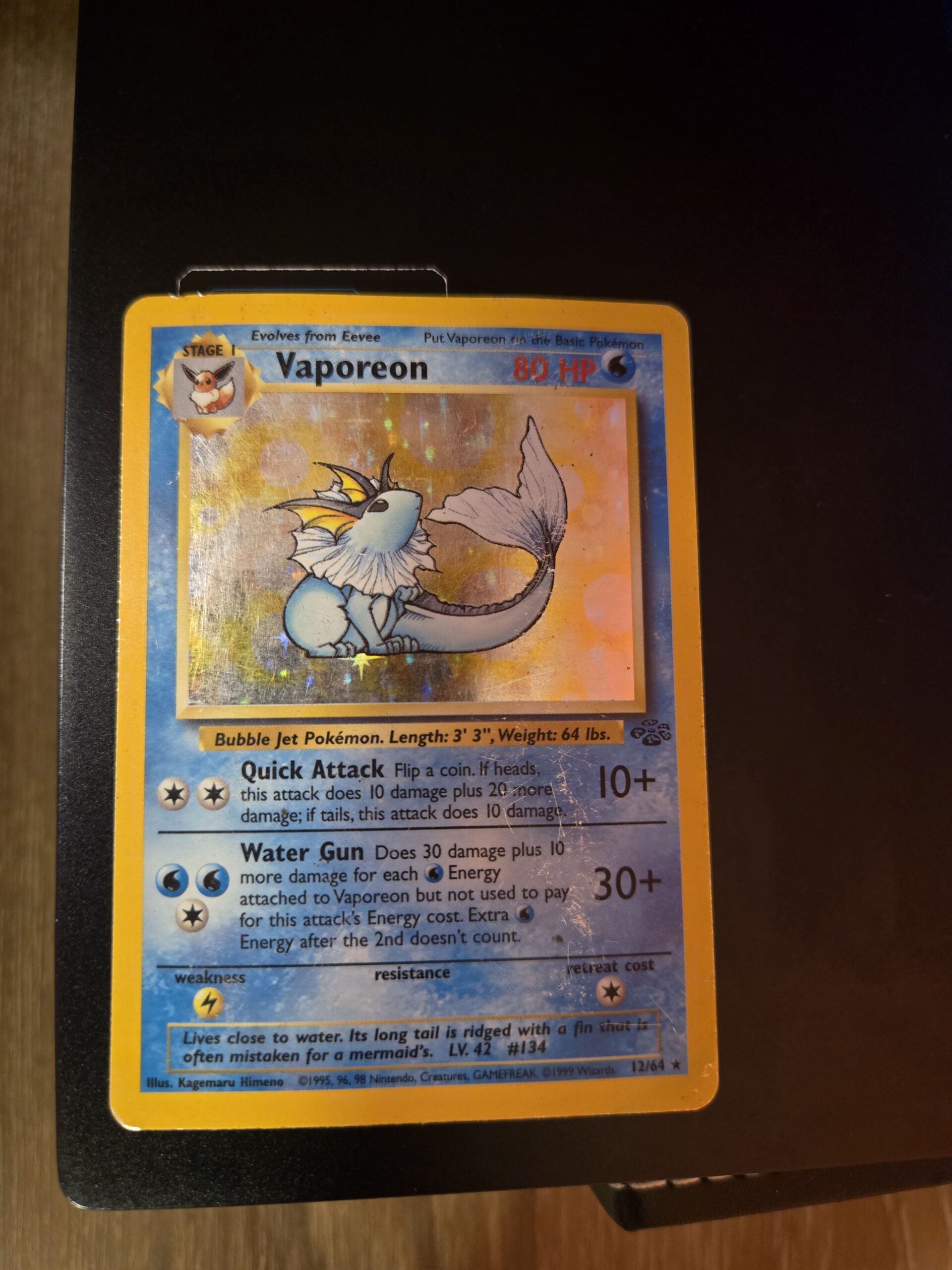
A 2024 Pokemon Card Price Guide For Everyday Collectors
If you are trying to figure out what your Pokemon cards are worth in 2024, you are not alone. Prices move quickly, new sets keep coming out, and it can feel confusing if you are just getting started. This guide is written in simple language for the PokemonPricing.com audience so you can check values with confidence and avoid common mistakes.
What really controls Pokemon card prices in 2024
In today’s market, most card prices follow a few basic rules:
1. Recent sold prices matter most
The real value of a card is based on what it actually sold for recently, not what people are asking for it.[6] Asking prices can be wishful thinking. Sold listings on big marketplaces and auction sites show what buyers are truly paying right now.
2. Condition is critical
The same card can be worth a few dollars in played condition or hundreds in gem mint. Common condition terms:
– Near Mint (NM): Looks fresh out of the pack with very light or no wear.
– Lightly Played (LP): Small marks or whitening on edges.
– Moderately/Heavily Played (MP/HP): Noticeable creases, whitening, scratches.
– Damaged: Major problems like bends, tears, or water damage.
Professionally graded cards (PSA, BGS, CGC) are given a numeric grade, often from 1 to 10. Higher grades, especially 9 and 10, usually sell for a strong premium.[3]
3. Rarity and print run
Cards that were printed in small numbers or only given out at special events are usually worth more.[4][6] Examples include trophy cards, old promos, and some limited tournament prizes. Mass printed modern cards that everyone is chasing today might not stay expensive in the long term if there are thousands of copies.
4. Character popularity
Some Pokémon are always in high demand. Popular characters like Charizard, Pikachu, Mew, Eevee evolutions, and certain legendaries tend to hold value better over time.[4][6]
5. Age and set
Older sets, especially the original Base Set and early eras, are considered more “blue chip” and have a long history of collector interest.[6] Many modern sets spike quickly, then settle down once the hype fades.
How to check your card’s value in 2024
To get a realistic price check, follow these steps:
1. Identify the exact card
Look at:
– Card name
– Set symbol
– Set name and year
– Card number (for example, 068/064)
– Rarity symbol (circle, diamond, star, etc., or special rarity tags for modern sets)
For example, a Duskull from Scarlet & Violet: Shrouded Fable with card number 068/064 and Illustration Rare rarity will have a very different value from a common Duskull in another set.[3]
2. Check recent sales, not just guides
Use:
– Completed listings on major marketplaces
– Recent auction results
– Price index or charting tools that track recent sales for each card and grade[2][3][6]
Many tools and apps now show live or frequently updated prices based on real sales, not just estimates.[5][6]
3. Adjust for condition
When you find a recent sale, compare the condition of your card to the one that sold. A Near Mint raw card should be compared to other Near Mint raw sales, not graded 10 examples.[3]
4. Compare raw vs graded prices
– Raw: Card has not been graded.
– Graded: Card has been sent to a grading company, placed in a slab, and given a score.
A graded 10 can sell for several times the price of a near mint raw copy in some cases.[3][4][6] Before you grade, you should check:
– What graded 9 and 10 copies are selling for
– How often they sell
– How hard it is to get high grades for that card (population reports can help)[6]
Key trends for Pokemon card prices in 2024
1. Big money still lives in older and rare cards
Long term, the strongest prices are usually seen in:
– 1st Edition Base Set and other early sets
– Trophy cards and tournament prize cards
– Iconic, low population cards like Pikachu Illustrator and 1st Edition Shadowless Charizard[4][6]
These cards have years of demand behind them and behave more like long term collectibles rather than short term hype items.[6]
2. Modern sets are popular but crowded
The Pokemon Company is printing billions of cards every year, and many modern chase cards already have large graded populations.[6] This means:
– Not every modern secret rare or special art card will stay expensive forever
– Some modern hits will drop in price once the initial excitement fades
– A few standout modern cards may still hold or grow, especially if they feature popular characters in beautiful artwork with lower supply
3. New releases keep the market active
In 2024, new Scarlet & Violet era sets and special products continue to fuel interest. Sets like Shrouded Fable and other late 2024 expansions bring in new Illustration Rare and special art cards that attract both collectors and players.[1][3]
Prices for these cards can be very volatile during the first few months after release as supply and demand settle.
4. Competitive cards vs collector cards
Some cards are expensive because they are powerful in the trading card game, while others are chased mainly for artwork and rarity. Playable cards can rise and fall quickly when formats change or new decks appear, especially around events like the World Championships where popular deck cards get more attention.[2][7] Collector-focused cards tend to move more slowly but can be more stable over the long term.
How to use price guides wisely in 2024
A Pokemon price guide should be a starting point, not the final word. Here is how to use guides correctly:
– Treat guide numbers as estimates
Guides pull data from past transactions and may lag behind fast market moves. Always back them up with recent sold listings when making big decisions.[6]
– Check multiple sources
Looking at more than one guide or tool helps catch outliers and inflated numbers. Compare:
– Online price indexes
– Recent auction results
– Local store buy and sell prices
– Watch for big swings
A card might spike because of:
– A tournament result
– Social media hype
– A content creator featuring it
– A temporary shortage
These spikes sometimes fade. Before buying during a run up, ask yourself if the card has long term collector appeal or if it is mainly driven by short term hype.
Deciding whether to grade your cards in 2024
Grading is not automatic; it is a decision. Consider grading when:
– The card is already valuable raw
– It looks very clean and has a chance at a high grade
–