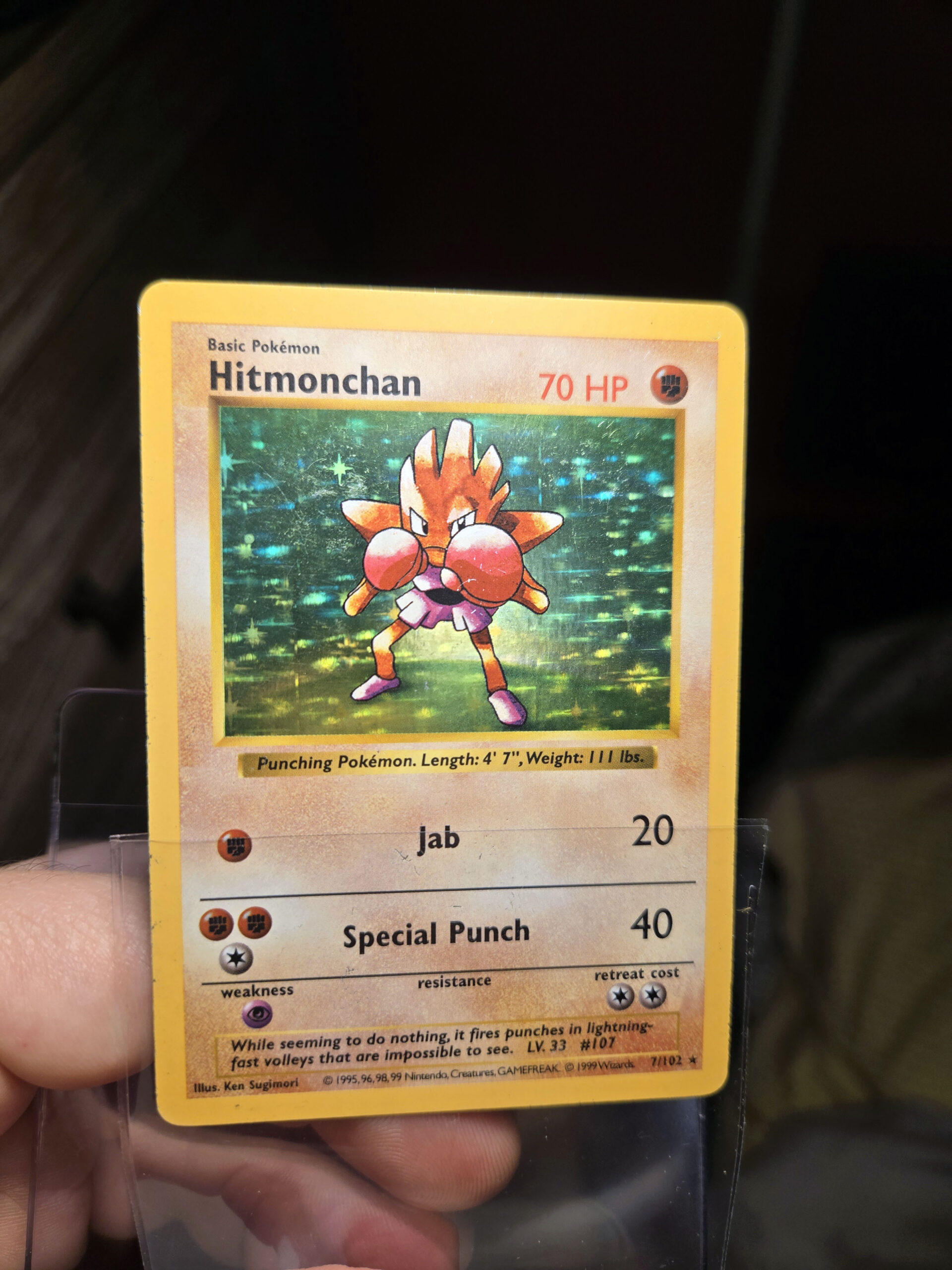
If you searched “how much is my Charizard card worth,” you are not alone. Charizard is one of the most popular Pokémon of all time, and its cards can range from a few dollars to thousands. The value depends on which Charizard you own and what condition it is in, so let’s walk through how to figure that out in a simple way.
First, you need to identify exactly which Charizard card you have
Look at your card closely and find:
– The set symbol. This is a small icon near the bottom of the card on the right or left side. It tells you what set the card is from.
– The card number. Near the bottom you will see something like “4/102” or “199/165.” This number is the easiest way to look up your exact card.
– The card name and rarity. The name will say Charizard, Charizard ex, Mega Charizard EX, Charizard VMAX, etc. Also check the small symbol next to the card number to see if it is common (circle), uncommon (diamond), rare (star), or some special version like a full art or illustration rare.
– The language. Cards in English, Japanese, and other languages can have different prices.
Once you know the set and card number, you can compare your card to online price guides and recent sales. For example, the Charizard ex Special Illustration Rare from Scarlet and Violet 151, card number 199/165, has been one of the top chase cards in that set. Market tracking sites have shown it around the mid 200 dollar range for an ungraded copy, with higher prices for graded gem mint copies.[1][2] At the same time, the more standard full art Charizard ex from the same set, number 183/165, is worth much less, closer to the 25 dollar range.[1] So two Charizard ex cards from the same set can have totally different values depending on their artwork and rarity.
Condition is often more important than the card itself
Even a rare Charizard can drop in value fast if it is heavily played or damaged. Collectors usually think in these simple condition levels:
– Mint or near mint: Looks pack fresh, with very tiny or no visible flaws. Centering is good, no whitening on edges, no scratches on the holo.
– Lightly played: Small marks or whitening on edges, maybe a few light scratches, but overall still very clean.
– Moderately played: Noticeable whitening, creases, or scratches. Clearly used, but still intact.
– Heavily played / damaged: Major creases, bends, water damage, dirt, ink, or parts of the card missing.
Condition can sometimes be the difference between hundreds and just a few dollars. A good example is the famous Charizard Gold Star. Price guides place a typical ungraded copy in decent condition at around 2000 dollars.[3] However, a copy that was nearly destroyed, with severe wear and damage, still sold for about 550 dollars just because it was a Charizard Gold Star and collectors still wanted it.[3][5] That shows how powerful the Charizard name is, but also how much more a clean copy is worth compared to a beat up one.
Grading can increase the value for high end cards
If you have a very valuable Charizard in excellent condition, professional grading might be worth considering. Grading companies give your card a numerical grade, usually from 1 to 10. Higher grades mean better condition and usually higher prices.
For instance, that Scarlet and Violet 151 Charizard ex Special Illustration Rare (199/165) shows a big jump between raw and graded prices in market data.[2] Ungraded copies hover around the mid 200 dollar range, but high grade copies, especially those graded 9.5 or 10 by popular grading companies, can go for several hundred more.[2] Some perfect 10 grade labels can be worth many times the raw card price on big chase cards, because collectors pay a premium for “the best of the best.”
Grading is not always the right choice. If your Charizard is common, modern, or clearly played, the grading fee might cost more than any extra value you gain. Grading usually makes the most sense for older Charizards, rare versions like Gold Stars, older EX or GX chase cards, or special illustration rares and full arts that already sell for good money.
Not all Charizard cards are expensive
Because Charizard is so popular, it gets printed in many sets and products. That means there are:
– High end chase cards that can be worth hundreds or more. Examples include special illustration rares, Gold Stars, certain older EX and full art cards, and limited promos.[1][2][3]
– Mid range Charizards that may be worth 20 to 100 dollars depending on condition and demand.
– Cheap Charizards that are only worth a few dollars because they are common, newer, or printed in large quantities.
For instance, within one modern set, the special illustration rare Charizard ex might be one of the most valuable cards, while a more standard Charizard from the same product could be much cheaper.[1] Rarity symbols, special textures, alternate art, and lower print runs are what usually push a Charizard into the higher price ranges.
How to quickly estimate what your Charizard might be worth
You do not need to be an expert to get a rough idea. Try this simple process:
1. Identify the card
– Note the name, set, language, and card number.
– Check if it is a special version, such as full art, rainbow, gold, illustration rare, or an EX, GX, V, VMAX, or ex variant.
2. Evaluate the condition
– Look for whitening on the edges and corners.
– Tilt the card under light and look for scratches on the holo area.
– Check both front and back for creases, bends, or stains.
3. Search sold listings, not just asking prices
– Use the card number and set name when you search so you get exact matches.
– Compare your card’s condition to the sold copies. A heavily played card should not be priced like a near mint copy.
– Pay attention to whether the cards in the results were graded or ungraded, and by which company.
4. Adjust based on what you see
– If your card looks worse than the sold copies, expect to get less.
– If your card looks cleaner than most, you might be closer to the high end of the recent sale range.
– If there are almost no recent sales, you might have a more niche or rare item, and prices can be more unstable.
Why Charizard prices can change over time
Charizard values are not fixed. They move up and down based on:
– New set releases. New Charizard chase cards can draw attention away from older ones, or make people want all Charizard versions and push older prices up.
– Market interest. When more people collect or invest, popular cards like Charizard usually rise. When interest cools, prices can flatten or fall.
– Reprints. If a Charizard is reprinted in a new product, the extra copies can lower the price of the origina