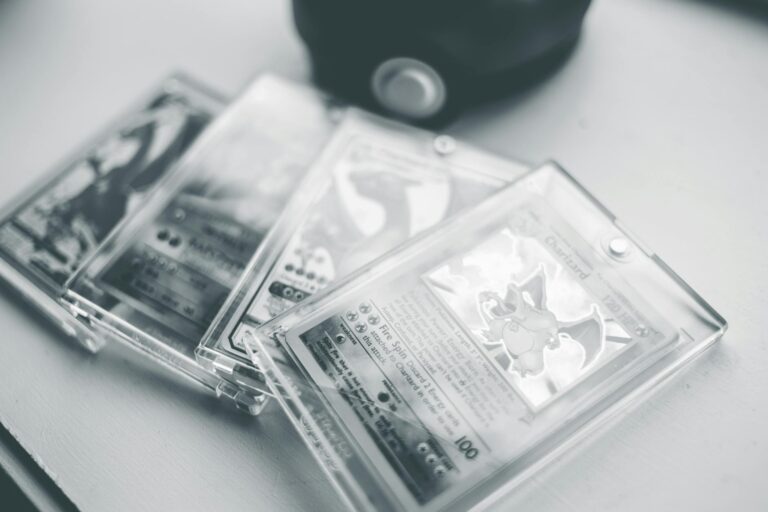
The Pokémon Base Set Print Era kicked off with the very first trading card packs hitting shelves in Japan on October 20, 1996, and it wrapped up in the English-speaking world after the release of the Base Set 2 expansion in 1999, marking the shift away from those classic shadowless and 1st edition prints toward newer sets with Wizards of the Coast still at the helm before Pokémon Company International took full control.[1][3] This era isn’t just about cards; it’s the foundation of a hobby that exploded from quiet Japanese beginnings into a global craze, defined by simple booster packs stuffed with random Pokémon like Pikachu, Charizard, and Blastoise, all drawn in those iconic early styles by artists such as Ken Sugimori and Mitsuhiro Arita.[3]
Picture this: back in 1995, the Pokémon video games Red and Green were wrapping up development, copyrighted that year even though they didn’t launch until February 1996. Tsunekazu Ishihara, a key figure behind the cards, struggled to find distributors in Japan because collectible card games were brand new there—unlike traditional card games, these had randomized packs you bought blind.[1] He pitched the idea to Nintendo, who greenlit it and handed printing to an unnamed company. The result? The original Japanese Expansion Pack, with 102 cards, dropped on that crisp October day in 1996, each booster holding 10 cards.[1][2] Kids everywhere started ripping open packs, chasing holographics like the shimmering Venusaur or the fierce Charizard that became instant legends.
Over in the West, things ramped up slower but hit harder. Wizards of the Coast, fresh off Magic: The Gathering fame, brought Pokémon TCG to North America in 1999 with the English Base Set—102 cards again, but boosters bumped up to 11 cards to hook players right away.[1][3] This wasn’t some side project; it tied straight into the games’ success, with cards pulling designs from Red, Green, and the upcoming Blue version. Early sets stuck close to those roots: Pikachu as your starter buddy, gym leaders as trainers, and energy cards in basic fire, water, grass flavors. No fancy mechanics yet—just pure collecting joy mixed with battles where you’d slap down a Pokémon, attach energy, and yell “I choose you!” as your opponent scooped up prize cards.
What made this era feel so special was the print runs and those telltale signs collectors obsess over today. First came the 1st Edition prints, marked with a tiny stamp on the bottom left of each card—super limited, printed only for the earliest waves. Then shadowless versions, where the drop shadow under the artwork vanished, making holos pop even brighter under light. These weren’t mistakes; they were production shifts as Wizards dialed in their printing process.[3] By the time Jungle (the second set, with 64 cards) and Fossil (62 cards) rolled out in 1999, the hype was real—TV shows boosted sales, and Japan had already printed 499 million cards by March 1998.[1] English prints followed suit, but with Wizards handling localization, adding flair like the Team Rocket set’s Dark Pokémon, which flipped favorites like Dark Charizard into villain mode.
Digging deeper, the Base Set wasn’t alone; it spawned Jungle, Fossil, Base Set 2, and Team Rocket, all under what fans call the “Wizards Black Star Promos” era before EX series changed everything.[3] Base Set 2, released late 1999, reprinted the original 102 cards with revised art and no 1st Edition stamp—often seen as the era’s gentle fade-out because it bridged to bigger things. Wizards kept printing these into 2000, but quality dipped with more revisions, like the “Unlimited” prints that lacked the elite shadows. Why the end? In 2003, Wizards lost the license to The Pokémon Company International, who rebooted with EX Ruby & Sapphire in 2003, introducing Pokémon-ex cards that gave double prize risk for mega power.[3] Japan had shifted even earlier, with Media Factory handing publishing to Pokémon Company by 2000’s Awakening Legends.[3]
Collectors today chase the “true” prints like holy grails. A 1st Edition Shadowless Charizard holo from 1999 Base Set? Printed in tiny numbers, it’s nostalgia gold—folks make thousands reselling mint copies because of that raw 90s vibe.[5] Open a pack back then, and you’d get commons like Rattata (filler for your deck), uncommons like Dratini (evolving into dragons), rares like Hitmonchan (punchy fighters), and that slim shot at a holo. Holo rates hovered around 1 in 3 packs, but pulling a 1st Edition? Lightning strike odds. The artwork screamed adventure—Bulbasaur peeking from vines, Squirtle mid-water blast—pulling from the games’ Kanto region, where you’d catch ’em all on your Game Boy.
Battles in this era were straightforward genius. Each player started with 60-card decks, 7-card hands, 6 prizes. Flip a coin for first turn—no attacks on turn one to keep it fair. Energy attached once per turn, Pokémon evolved after a turn’s wait. Trainer cards like Bill (draw 2) or Switch (swap active Pokémon) flipped games. Gym Heroes and Gym Challenge added Owner’s Pokémon, named after real-world players like Brock or Misty, tying into the anime boom. No complex rules; just friends at lunch trading that extra Ivysaur for your missing Venusaur.
Japan’s timeline tells a parallel story. After Expansion Pack, they pumped out sets like Mystery of the Fossils (November 1996), Boosted Blue (January 1997), all feeding the fever. By 1998, Electric Blast and Mythical Pokémon decks were out, but the “Base” vibe lingered until e-Card Era in 2001.[2] English lagged, savoring Wizards’ run. Print eras ended not with a bang, but reprints: Wizards flooded markets to meet demand, diluting rarities. Base Set 2 in 1999 was the last big hurrah—revised holos, unlimited floods, setting stage for EX FireRed & LeafGreen proxies in 2004.[2][3]
Why obsess over the “true ending”? Rumors swirl about shadowless being a misprint era or 1st Edition cutoffs, but facts pin it to Wizards’ license end. Post-1999, cards got rule text boxes, new borders, Pokémon-ex stars. No more pure Base simplicity. Modern sets like Scarlet & Violet 151 nod back with Kanto full sets and galaxy holos mimicking Wizards paper, but they’re reprints in Paldea style—nostalgia fuel, not originals.[4] Completing a Base master set? 102 uniques, plus holos, reverses if you count variants, but true collectors hunt graded PSA 10 1st Editions, where centering and edges decide fortunes.
The era’s magic lived in playground trades: “Swap m