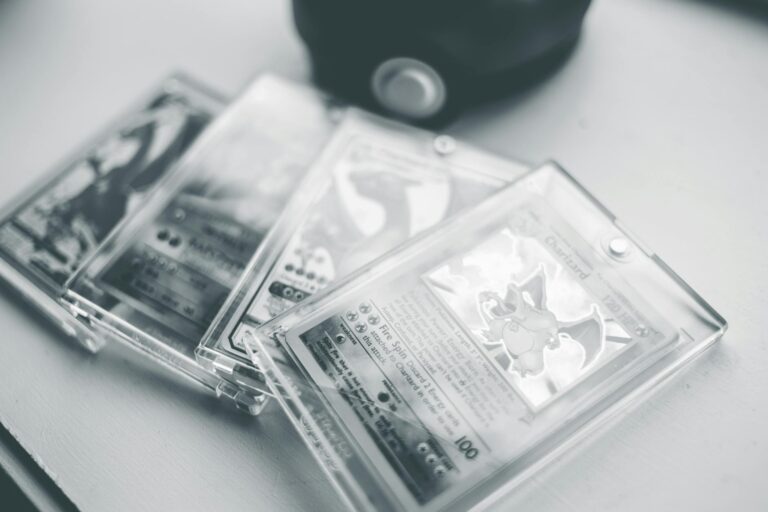
In the world of Pokémon Trading Card Game collecting, people often talk about different print runs from the early Base Set days, like Shadowless cards and what folks call 4th print holos. Shadowless holos are those special holographic cards from the very first English printings after the 1st Edition ones. They got their name because they lack the drop shadow around the character art box, making the images pop more cleanly. These came out in 1999, right at the start of the TCG boom, and they’re prized for being closer to the original Japanese cards in look and feel.
Now, 4th print holos are a bit trickier to pin down exactly. They’re part of the Unlimited edition prints, which followed 1st Edition and Shadowless. Wizards of the Coast, the company printing these back then, didn’t stamp print numbers on every run like some later sets. Instead, collectors figure out the “print” based on subtle clues like the copyright line at the bottom. Shadowless cards say “© 1995, 96, 98, 99 Nintendo,” while Unlimited ones drop the 1995 part and just have “© 1999.” Within Unlimited, people divide them into rough groups: 1st print Unlimited (sometimes called 2nd overall), 2nd print, 3rd print, and then 4th print holos.
What makes 4th print holos stand out? They usually show heavy yellow ink saturation across the whole card face. The colors look washed out or overly yellow-tinged, especially on the holofoil patterns and borders. This happened because of printer inconsistencies as production ramped up. Unlike Shadowless, which were printed in smaller batches early on, later Unlimited prints like the 4th were mass-produced to meet huge demand. So, straight up, there are way more 4th print holos out there than Shadowless holos. Shadowless print runs were tiny—estimates from veteran collectors put them at just tens of thousands per holo card across the set. For hot cards like Base Set Charizard holo Shadowless, maybe only 5,000 to 10,000 exist in total, factoring in wear and loss over 25 years.
4th print holos? Those numbers explode into the hundreds of thousands or even millions per card type. Why? Printing shifted to bigger facilities, and Wizards churned out Unlimited to flood stores. A single holofoil sheet might hold 11 holos, and they’d print thousands of those sheets for 4th print runs. Take Blastoise holo as an example: Shadowless versions in good shape are super rare, with PSA 9s or 10s selling for thousands. But 4th print Blastoise holos pop up all the time on auction sites, often for under $50 raw. Population reports from graders like PSA back this—Shadowless Base holos have pop reports in the low hundreds for high grades, while Unlimited (including 4th prints) hit tens of thousands.
To break it down simply, think of it like this: Shadowless were the “opening weekend” prints, limited to get the game launched quick. By 4th print Unlimited, it was like the wide release blockbuster, printed non-stop for months. Exact counts are impossible without factory records, which Wizards never released publicly. But from sales data and collector forums, Shadowless holos are roughly 1/50th to 1/100th as common as late Unlimited like 4th prints. For instance, a Shadowless Venusaur holo might have under 200 PSA 8s graded ever, while 4th print versions have over 10,000.
Errors help tell the story too. Shadowless holos often have those vertical yellow stain lines—thin streaks from ink issues in early presses. Most Shadowless show at least one. 4th prints skip those lines but go full yellow saturation instead, like the whole card got dipped in mustard tint. Other Unlimited errors, like low black ink making frames look gold instead of silver or blurry double-printed text, show up more in later prints including 4th. At least 10 Unlimited holos with that blurry 3D text effect are known, and they’re tied to mass production glitches.
Digging into specifics, Base Set has 102 cards total, with 16 holos. Shadowless holos cover all 16, but print quantity was low because they came right after 1st Edition’s even smaller run. 1st Edition holos are the rarest, then Shadowless, then Unlimited ramps up. By 4th print, Wizards fixed some foiling—most use the standard starlight pattern, though rare cosmos fossil holos slipped in with wrong foil. No Star holos, missing foil stars, hit both Shadowless and Unlimited, but more survive from later prints simply because more were made.
Value-wise, this scarcity drives everything. A pristine Shadowless Charizard holo can fetch $100,000 or more at auction. 4th print Charizard holos? Maybe $200 to $500 in similar shape. It’s pure supply difference. Collectors hunt Shadowless for that clean, shadow-free art and rarity. 4th prints get love from budget builders or error chasers, but they’re common enough that you might pull one from a bulk lot.
How do you spot a 4th print holo yourself? Check the yellow overload first—art, text, even the holo shimmer looks duller. Compare to earlier Unlimited, which might have better ink balance. Shadowless have crisp blacks and no yellow bias beyond those stain lines. Tools like blacklights reveal print differences too—later prints fluoresce differently under UV.
Community tracking adds proof. Sites like PSA pop reports show Unlimited Base holos dominating submissions: over 500,000 total Base Set cards graded, with Shadowless a tiny slice. TCGPlayer sales data mirrors it—Shadowless listings are scarce, 4th prints flood the market daily.
Beyond Base Set, similar patterns hit Jungle and Fossil. Shadowless there are also early Unlimited without shadows, scarcer than their 4th print counterparts. Jungle’s 4th prints show same yellow issues. Fossil holos get extra wild with cosmos foil errors on some Unlimited, but again, far more exist than Shadowless.
Printing tech explains the gap. Early Shadowless used smaller runs on specific presses to test the market. By 4th Unlimited, they scaled to industrial levels—think sheets of 121 cards, multiple colors layered perfectly most times, but with saturation slips. Inverted backs, where the back prints upside down, pop up handful in Unlimited holos, more likely in later runs due to volume.
Preservation plays in too. Shadowless, being old and few, got sleeved quick by fans. 4th prints circulated as commons, so more beat-up copies survive, inflating raw counts but not gem mint ones.
For completists, chasing both shows the evolution. Shadowless feel premium, like vintage wine. 4th prints are the everyday six-pack—plentiful, useful, but no hype. Total 4th print holos across Base Set? Easily millions printed, maybe 500,000+ still around factoring attrition