Are Pokémon Cards More Stable Than International Stocks?
When you think about investments, Pokémon cards might not come to mind right away. But collectors and fans often wonder how they stack up against something like international stocks, which can swing wildly with global events. The short answer is no, Pokémon cards are not more stable overall. They have their own ups and downs, but they offer unique perks that make them appealing for certain people.[1][3]
International stocks, like those in indexes tracking Europe, Asia, or emerging markets, face constant change. Wars, elections, interest rate hikes, and trade issues can cause 10 to 20 percent drops in a month. Think of the MSCI World Index or something similar, which has averaged around 7 to 10 percent yearly growth over decades but with big yearly swings of 20 percent or more. Pokémon cards, on the other hand, follow collector demand, new releases, and hype cycles.[1][2]
The Pokémon trading card game market hit about 7.5 billion dollars globally in 2025, part of a bigger collectibles boom growing 7 to 8 percent a year. Sales jumped 25 percent from 2023 to 2024, topping 2.2 billion dollars. Production ramped up to 10.2 billion cards in 2025, which helped bring prices down from crazy highs and made elite trainer boxes closer to their original retail price. This cut scalper power and made it easier for regular collectors to buy in.[1][2]
Still, volatility shows up in Pokémon prices too. Hyped cards like Pikachu ex dropped 10 to 15 percent from 450 dollars to 331 dollars raw after early 2025 peaks, thanks to reprints and slower seasons. High-end vintage sales, like some top Pokémon or Magic cards, fell 64 percent from 2022 to 2025 peaks for similar grades. New sets like White Flare saw chase cards like Victini hold strong at over 430 dollars or climb, but not everything stays steady.[1][4][6]
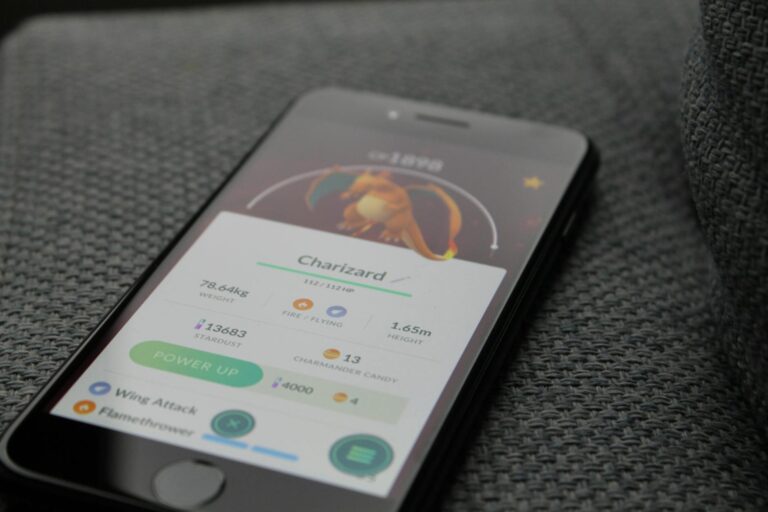
What makes Pokémon cards feel safer in some ways? Characters like Charizard never retire, get injured, or hit scandals like athletes do in sports cards. Every pack has value because so many cards appeal to players building decks for tournaments, giving them a solid floor even if prices dip. Vintage icons and trophy cards have delivered huge long-term gains, like 3,821 percent since 2004 for top Pokémon pieces. Nostalgia from the 30th anniversary in 2026 could push older cards up 25 percent or more.[2][3]
Stocks have more liquidity and data tracking, with daily trades and expert forecasts. Pokémon relies on sites like TCGPlayer or eBay, where sales can pause like a deep freeze, as one market watcher put it. Booster boxes hold around 400 dollars lately, stabilizing after dips to 230 dollars, but restocks are spotty.[3][5]
For stability, stocks win with their broad diversification and history. Pokémon shines for fun, passion-driven growth in a 113 billion dollar franchise. Cards from sets like Phantasmal Flames or Journey Together show resilience, with some rares up 45 percent. Increased prints help modern stuff settle, but vintage scarcity keeps premiums high.[1][3]
If you chase steady growth without daily stress, international stock funds might fit better. Pokémon cards reward patience on icons and smart buys during dips. Both have risks, but Pokémon adds the thrill of your favorite pocket monsters.[1][2][3]