Do Pokémon Cards Offer Better Price Transparency Than Art?
If you collect Pokémon cards, you know prices can swing fast based on hype, new sets, or a big tournament win. But how clear is it really to know what your cards are worth compared to something like fine art? Pokémon cards actually give you stronger price transparency than art in most ways, thanks to online tools, grading services, and daily sales data that anyone can check.[3]
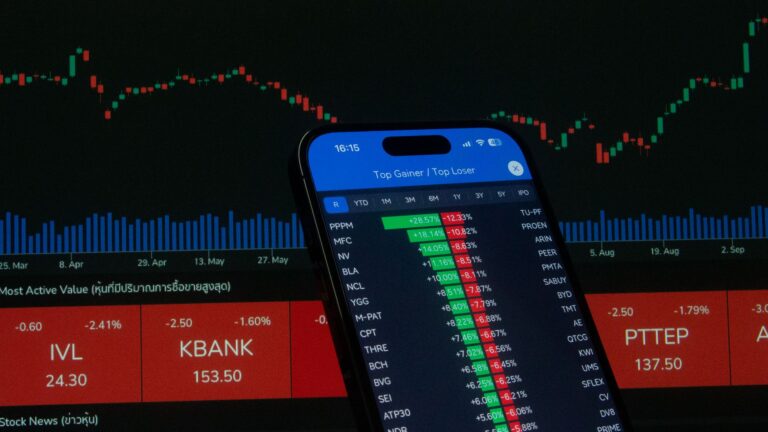
Start with how prices show up. For Pokémon cards, sites like eBay let you see completed sales right away – what cards actually sold for yesterday, not just what sellers hope to get. This real sales data beats price guides because it shows true market value based on condition, rarity, and demand.[3] Tools like Pokémon card price checkers pull in population reports too, telling you how many PSA 10 versions exist out there. High print runs from The Pokémon Company – around 10 billion cards a year – mean you can spot oversupply risks early, like when a card’s value drops from flooding the market.[3]
Grading adds even more clarity. Services like PSA or Beckett assign numbers to condition, from 1 to 10, so buyers compare apples to apples. A PSA 10 Charizard holds steady value because everyone knows what that grade means, backed by auction records.[1] Sure, there are gripes – like PSA scandals over inconsistent grades or delays – but even with that, graded Pokémon cards sell for clear premiums on platforms everyone uses.[2]
Now look at art. Prices there stay murky. A painting might sell at auction for millions one year, then nothing for decades. No daily sales logs exist like with cards. Galleries set “asking prices” that feel made up, and condition reports are vague – no standard 1-to-10 scale. Art flips rely on dealer networks or private sales, hidden from public view. Even big auction houses like Sotheby’s share results, but not the full story on fakes or repairs.
Pokémon wins on speed too. Card prices update in real time from player demand in tournaments or new decks. A card like Energy Retrieval crashed from $50 to under $5 when supply hit eBay hard, and everyone saw it happen live.[1] Art markets move slow, with values tied to trends or rich collectors you never meet.
For everyday collectors on sites like PokemonPricing.com, this means better tools to track your collection. Check sold listings, pop reports, and grade stats to know if that shiny pulls ahead or tanks. Art collectors guess more, waiting years for the next sale. Pokémon’s open data flow makes it easier to buy, sell, or hold without big surprises.