Are Pokémon Cards a Better Investment Than Treasury Bills?
If you are thinking about putting money into Pokémon cards instead of safe options like Treasury bills, the answer depends on what you want from your cash. Treasury bills are super steady, backed by the US government, and pay a fixed return with almost no risk of losing your main investment. Pokémon cards can shoot up in value fast, but they swing wildly and could drop hard too.
Treasury bills work like this: you buy one for less than its face value, say $950 for a $1000 bill that matures in a year, and you get the full $1000 back plus that $50 gain. Right now, short-term T-bills yield around 4-5% a year, depending on rates, with zero chance of the government defaulting. They are boring but reliable for anyone who wants to park money without worry.
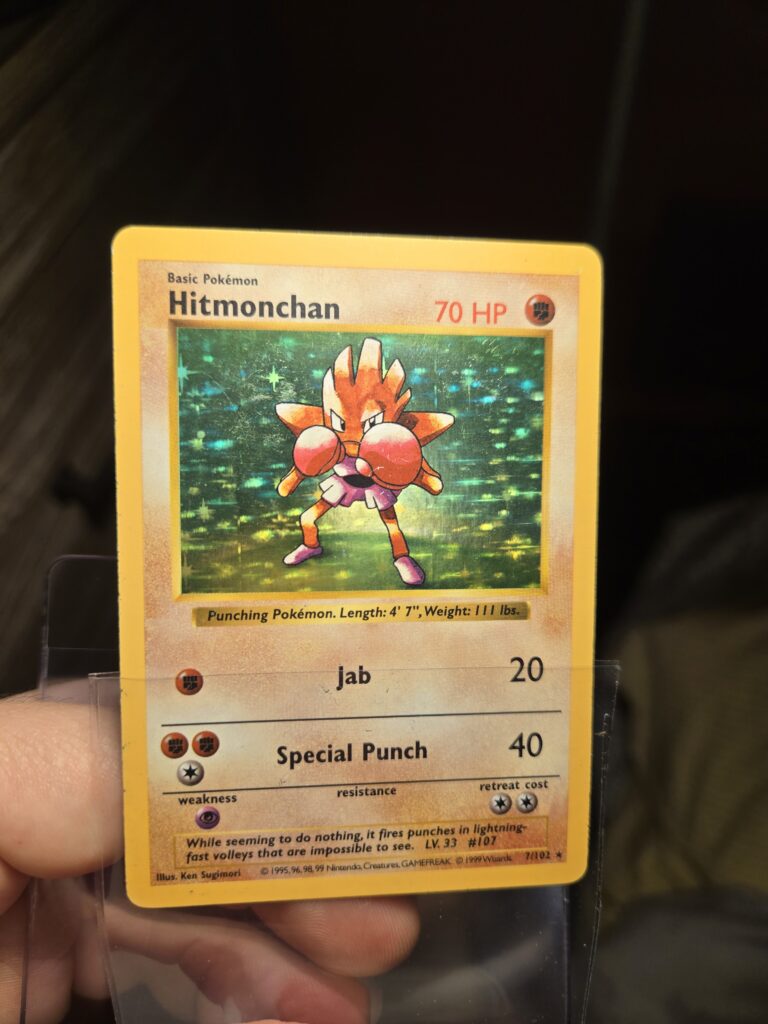
Pokémon cards tell a different story. Prices come from what collectors pay on sites like eBay or TCGPlayer, driven by hype, rarity, and trends. Some cards explode: one video points out a card that jumped 346% in a year from $2.91 to much higher, with 353 sales at the low price.[1] Another went from $23 to $56, a 139% rise over a year, and a third hit 150% growth to $450, with sales drying up as it gets scarcer.[1] Experts predict more surges in 2026 as the market corrects after ups and downs, urging buyers to grab cards now before spikes hit.
But here is the catch with cards. Those big gains are not guaranteed. The same source notes a card stuck gaining just $2-3 in December after hype, and warns against chasing every percentage jump.[1] Values tie to fan interest, new sets, events like the 2025 Stuttgart Championships, and even pop culture boosts.[1][2] Store them wrong, and condition drops, killing value. Sell during a slump, and you lose out. No government promise here, just market mood.
Compare the two side by side. T-bills give predictable income you can count on for goals like a house down payment. Pokémon cards might turn $100 into $346 like that one example, but you could end up with $50 if trends flip.[1] Over 2025, some cards held strong at $56 after doubling, but others flatlined short-term.[1] For every winner, plenty fade.
Most folks mix it up. Use T-bills for safe savings, then dip extra cash into cards you love collecting anyway. Track prices on PokemonPricing.com to spot those 2026 risers before they pop.[1] That way, you get fun plus potential upside without betting the farm.