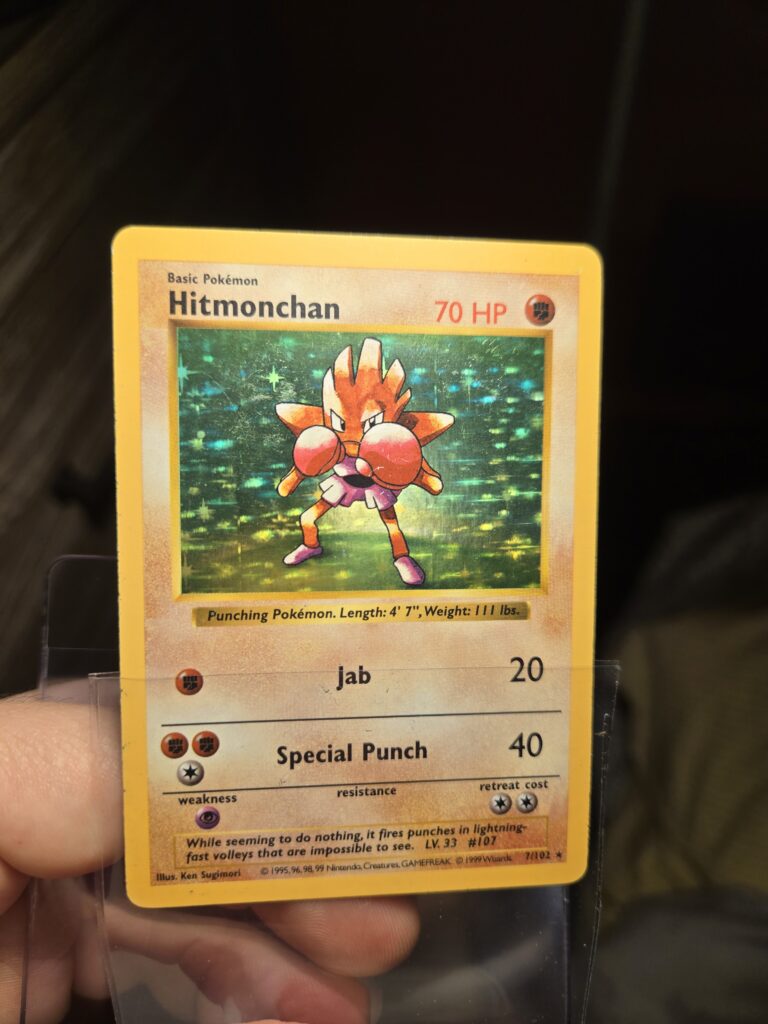
Are Pokémon Cards Better Than ETFs for Long Term Holding?
If you are thinking about where to put your money for the long haul, you might wonder if Pokémon cards beat out ETFs. ETFs are exchange-traded funds that track stock market indexes like the S&P 500. They offer steady growth over time with low risk if you hold them for years. Pokémon cards are collectibles, mainly rare vintage ones from the trading card game. They can skyrocket in value but come with big ups and downs.
Pokémon cards have shown strong potential based on AI investment models. These models predict an average 1-year return of 28.8 percent and a 5-year return of 147.5 percent for Pokémon cards, labeled as PKM in analysis.[1] That beats typical ETF returns. For example, the S&P 500 ETF has averaged about 10 percent yearly over decades, though past results do not guarantee future ones.
ETFs shine in reliability. They spread your money across hundreds of companies, so one bad stock does not tank your portfolio. You can buy them easily through a brokerage account with low fees. Over 20 or 30 years, they grow with the economy. Pokémon cards work differently. Their value ties to collector demand, rarity, and condition. A first-edition Charizard might sell for thousands today, but prices swing with trends.
Right now, Pokémon cards face challenges. Speculation from the 2021 boom has cooled off. Higher interest rates make collectibles less appealing since people prefer safer investments. Recent print runs have flooded the market with new cards, pushing down prices for modern sets.[1] Vintage cards hold up better, but storing them requires care to avoid damage from moisture or wear.
Liquidity matters for long-term holding. ETFs trade daily like stocks, so you can sell anytime without much loss. Pokémon cards take effort. You need to grade them through services like PSA, list on sites like eBay or TCGPlayer, and wait for buyers. Fees for grading and selling cut into profits, sometimes 10 to 20 percent.
Taxes play a role too. ETF gains qualify for lower long-term capital rates if held over a year. Collectibles like Pokémon cards face a top rate of 28 percent on profits, no matter how long you hold.[1] This makes ETFs more tax-friendly for big wins.
Diversification is key. ETFs give broad market exposure. Pokémon cards focus on one niche. If collector interest fades, like it did for Beanie Babies, values could drop hard. AI models see upside from scarcity of old cards and growing fan bases, but they warn of risks like oversupply.[1]
For most people, ETFs win for long-term holding due to stability and ease. Pokémon cards suit those who love the hobby and can handle volatility. If you enjoy hunting rares and tracking grades on PokemonPricing.com, they might add fun to your portfolio. Just treat them as a small slice, not your main investment. AI predictions show promise, but real returns depend on market shifts.[1]