Why Pokémon Cards Outlasted the NFT Boom
Back in 2021, NFTs exploded onto the scene. Everyone was talking about digital art, virtual land, and even tokenized collectibles selling for millions. Pokémon cards got swept up too, with projects trying to turn them into blockchain versions. But while the NFT hype faded fast, physical Pokémon cards kept climbing in value. Prices for rare ones like the Pikachu Illustrator or first-edition Charizards hit new highs even as crypto winters dragged on. Why did the real cards endure when digital ones crashed?
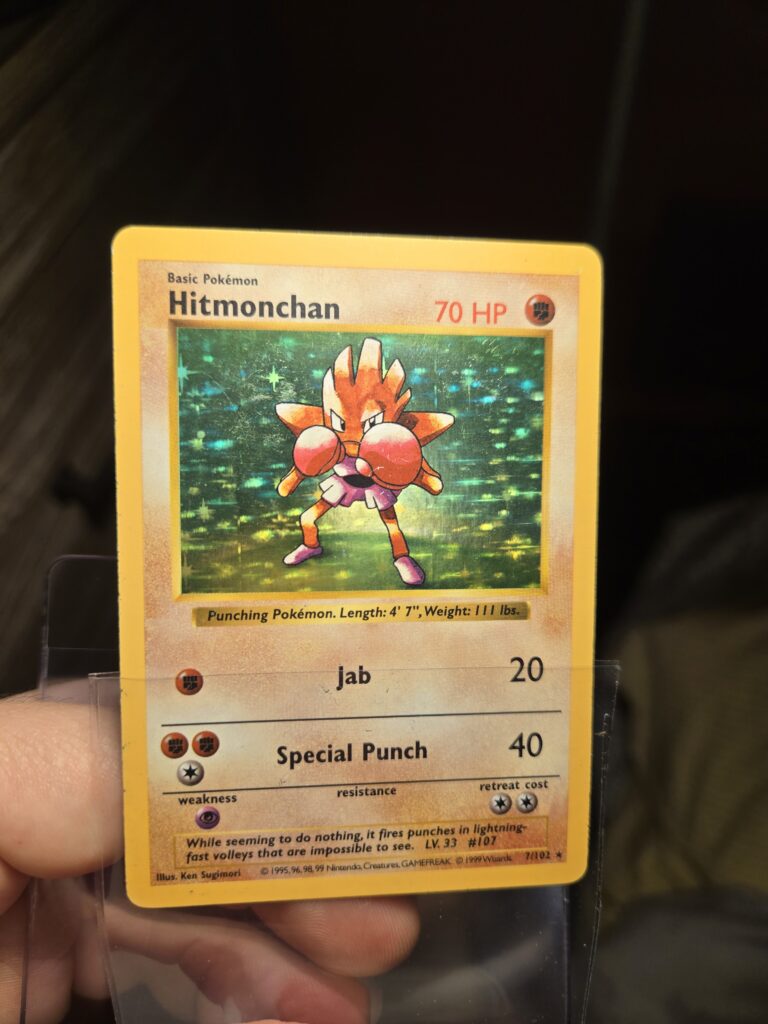
The big difference is tangibility. You can hold a Pokémon card in your hand, feel its weight, and see the grading slab from PSA or BGS. NFTs? They are just code on a blockchain. Sure, they promised ownership through tokens, but when markets tanked, that digital “rarity” felt meaningless without something solid behind it. Platforms like Collector Crypt on Solana tried to bridge this by tokenizing actual graded Pokémon cards into NFTs. You buy a digital pack, get an NFT linked to a real card stored in a vault, and even redeem it physically. They added smart features like gacha-style packs and instant buybacks at 85 to 90 percent of market value to make it less risky.[1] It processed over $145 million in volume with low fees thanks to Solana’s speed. But even these hybrid models struggled to match the trust of just owning the physical item outright.
Liquidity was another NFT pitfall. Early NFT projects relied on hype from big spenders, or “whales,” who flipped assets quick. When they left, prices plummeted. Traditional Pokémon cards have steady markets on sites like eBay, TCGPlayer, and auctions. Fees are high, around 10 to 15 percent, but sellers know buyers are collectors who value the card forever, not traders chasing pumps.[1] The trading card market is worth over $7.4 billion and growing, driven by nostalgia and community, not fleeting trends.[1] Sports cards saw a similar boom in 2020, tying into the NFT craze, but physical versions stuck around while pure digital plays faded.[2]
Nostalgia plays a huge role. Pokémon has 25-plus years of history. Kids from the 90s are adults now with money to chase childhood memories. Opening a booster pack feels magical, something no screen can replicate. NFTs tried copying that with randomized drops, but without the physical pull, engagement dropped. Projects like Collector Crypt target mid-tier buyers spending $1,000 to $10,000, avoiding whale dependency, and back NFTs with real inventory from partners like Fanatics Collect.[1] Still, most collectors prefer the real deal over hoping a platform stays solvent.
Community and culture sealed the deal. Pokémon has tournaments, stores, and conventions worldwide. Card prices reflect real demand from players and investors alike. NFTs built Discord hype but lacked that depth. When bear markets hit, digital collections gathered digital dust. Physical cards? They sit in binders, get sleeved, and passed down. Prices fluctuate less wildly too, with blue-chip cards holding value through economic dips.
Even as blockchain evolves, Pokémon cards prove collectibles thrive on substance over speculation. The lesson is clear: in a world of pixels, paper and ink win the long game.