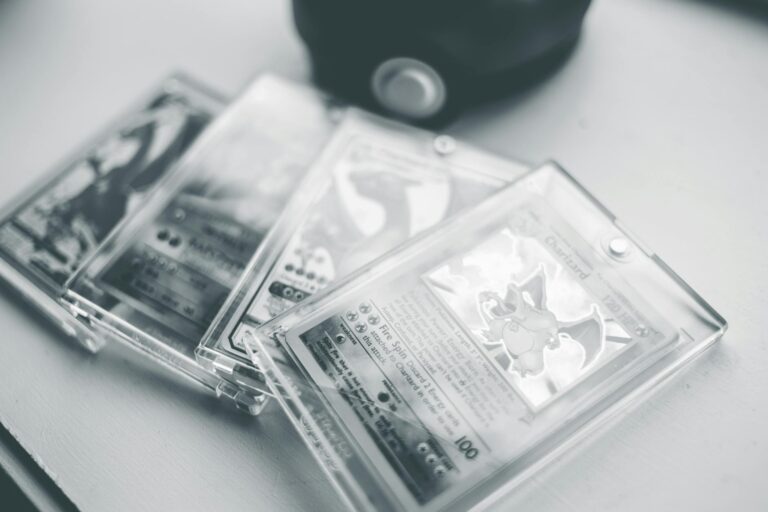
Wizards of the Coast stopped printing Base Set cards for the Pokémon Trading Card Game in 2000. The Base Set, the very first collection of Pokémon cards ever released, came out in January 1999, and while it kept getting reprinted in different versions through that year and into early 2000, production wrapped up with the Base Set 2 release in February 2000.[4][1]
Let’s start from the beginning to understand why this matters and how it all unfolded. Pokémon cards exploded onto the scene in 1999, right when kids and collectors were going crazy for the Pokémon video games and anime. Wizards of the Coast, the same company behind Magic: The Gathering, got the license to make and print these cards in the English-speaking world. They handled everything from design to shipping out booster packs to stores. The Base Set was huge—it had 102 cards, including icons like Charizard, Blastoise, and Venusaur. These were the cards that kicked off the whole hobby, with shiny holographic versions that made everyone’s eyes light up when they pulled one from a pack.[4][5]
Right away, demand was insane. Stores couldn’t keep shelves stocked. Wizards printed the original Base Set in waves. There was the First Edition in early 1999, which had that special stamp showing it was the absolute first run. Then came the Shadowless version, where they fixed some printing issues by removing shadows around the artwork, making those cards even more sought after today. After that, the Unlimited edition hit, which was the standard reprint without those special marks. All these were still Base Set cards, just different print runs to meet the hunger from fans ripping open packs.[5][4]
Why so many prints? Simple—Pokémon was everywhere. Kids traded them at school, parents bought booster boxes for birthdays, and collectors started noticing how fast prices climbed for rare holos. Wizards learned from their Magic days, where early sets like Alpha and Beta sold out lightning fast because they underprinted. For Magic’s Limited Edition, the first print run was just 2.6 million cards in 1993, gone in weeks, leading to a Beta reprint soon after.[3] They didn’t want that repeat with Pokémon, so Base Set packs stayed in production longer, flooding the market to keep everyone happy.[1][3]
By late 1999, Wizards shifted gears a bit. They released Jungle, the next expansion, and then Base Set 2 in February 2000. Base Set 2 wasn’t a brand new set—it mashed up cards from the original Base Set and Jungle, reprinting favorites like Pikachu and the starter Pokémon. It had a silver-bordered “2” symbol to tell it apart. This was their way of keeping those classic Base Set designs alive without calling it the pure original anymore. Collectors love it for nostalgia, but it’s not as pricey as the 1999 originals.[4]
And that’s when it ended—February 2000 marks the last official Base Set-related printing under Wizards. No more fresh Base Set cards rolled off the presses after Base Set 2. Wizards kept making new sets like Fossil and Team Rocket through 2000 and into 2001, but the core Base Set era closed.[4] Why stop? Pokémon was evolving fast. New mechanics, new Pokémon from Gold and Silver games, and bigger expansions took over. Plus, Wizards faced their own challenges. They sold the Pokémon license to Pokémon USA (part of The Pokémon Company) around 2003, but the switch in printing style started earlier with sets like EX Ruby & Sapphire in March 2003, which had a fresh look and EX Pokémon.[4]
Digging deeper into the print runs shows how massive it was. While exact numbers for Pokémon Base Set aren’t public like some Magic sets, we know Wizards printed tens of millions of cards. Compare it to Magic’s Fallen Empires, which had 350-375 million cards and stayed on shelves until 1998 even though shipping stopped in 1995.[1] Pokémon Base Set did something similar—booster boxes from 1999 still pop up sealed at auctions today, selling for tens of thousands, like a French First Edition box for over $55,000 or a Shadowless one for nearly $50,000.[5] Unc cut sheets and complete sets fetch $40,000 too, proving how much survived and how valued they are.[5]
Errors and rarities added to the fun. In Magic, there were goof-ups like extra Mountains in Arabian Nights or different mana symbols.[1] Pokémon had its share too, like prerelease stamps accidentally on some Base Set Raichu cards during test prints for Jungle. Wizards denied those existed for years, but the community knew, and they were just given to staff.[2] Prerelease cards overall were a Wizards thing early on—they made special stamped versions for events before stopping after a few expansions.[2]
After Base Set 2, Wizards moved to sets like Legendary Collection in 2002, which reprinted more Base Set cards but as part of a new product, not straight Base Set printing. POP series promos came later, from 2004 to 2009, bringing back rotated cards, but those were separate promo runs, not Base Set production.[6] By 2003, with EX Ruby & Sapphire, the torch passed fully, and cards looked more modern.[4]
Collectors chase these Wizards-era Base Sets for good reason. The artwork feels pure—like stills from the old Game Boy games. Holo Charizard from First Edition Base Set is legendary, with auctions hitting $43,000 for a perfect graded copy.[5] Blastoise and others follow close. Even basic complete sets or uncut sheets from 1999-2000 go for huge money.[5] Base Set 2 gets love too, though less hype, as that silver 2 marks it as a reprint.[4]
What made Wizards stop exactly in 2000? Part of it was the game’s growth. They printed enough to satisfy demand without flooding forever, avoiding scarcity issues from Magic’s early days.[1][3] Pokémon USA took over printing logistics later, changing borders and styles. Wizards focused on new content—over 10 sets in their era from 1999-2003, building to EX waves.[4] Prerelease cards shifted too—from standalone stamps to kits with alternate art by Dark Explorers.[2]
Today, opening a 1999 Wizards Base Set pack feels like time travel. The card stock, the energy costs, the simple rules—it all screams origin story. No year symbol on early ones, just pure Pokémon. They fixed that later, but those first prints capture the magic. Auctions keep proving it: sealed boxes hold value because Wizards printed them right—enough to go around but not endlessly.[5]
Insiders note how Wizards ramped up from Magic lessons. Alpha sold 2.6 million, Beta 7.3-7.8 million, both gone quick.[3] Pokémon Base Set learned that, reprinting through Unlimited and into Base Set 2. Chronicles for Magic reprinted oldies to fix shortages; Base Set 2 did the same for Pokémon.[1][4]
Prerelease trivia ties in—Wizards made only four official ones, but that R