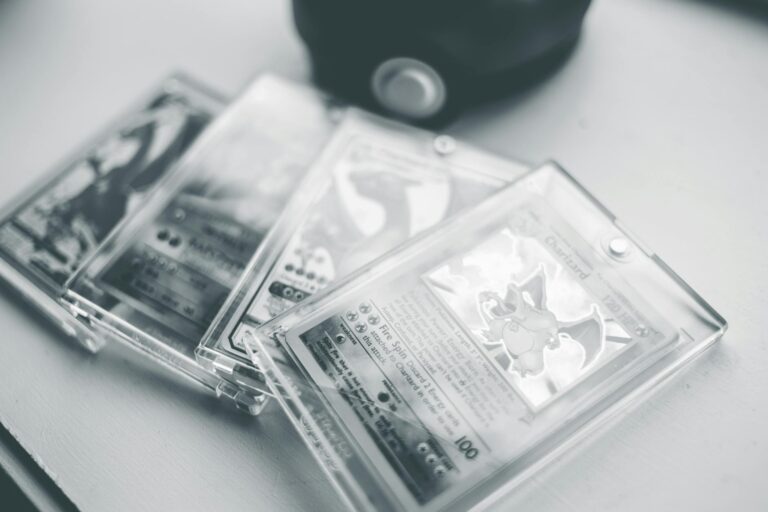
The 1999-2000 copyright mark on a Charizard card from the Pokémon Trading Card Game points to a specific later print run of the original Base Set, where Wizards of the Coast updated the date to cover their production years and fixed some printing mistakes from earlier versions.[1] This mark shows up mostly on Unlimited edition cards, the ones printed after the rare 1st Edition and Shadowless runs, and it helps collectors spot cards from the third or later print waves when demand was sky-high in the late 1990s.[1]
Back in 1996, the Pokémon TCG launched in Japan, but it hit the US in early 1999 through Wizards of the Coast, the company behind Magic: The Gathering.[3] Charizard, the fiery dragon Pokémon, became the instant superstar of the Base Set thanks to its huge attack power and cool holofoil shine. The very first prints had a simple “©1995-99” copyright, reflecting Nintendo’s early work on the game since the mid-90s.[1] As factories churned out millions more cards to meet the craze—kids everywhere trading, battling, and begging parents for booster packs—Wizards stretched the print runs into 2000. That’s when they slapped on the “©1999-2000” update. It was a practical move: the year ticked over, and they wanted legal coverage for all those fresh sheets rolling off the presses.[1]
Think of print runs like chapters in a book’s reprint history. The Base Set had multiple waves. First came 1st Edition, super limited with that special stamp in the bottom corner. Then Shadowless, missing the shadow around the artwork border, still pretty rare. Unlimited followed, with borders shadowed in, and within those, early ones kept “1995-99.” By the third print, though, boom—”1999-2000″ appeared, and it stuck through the end.[1] For Charizard specifically, this version fixed a tiny goof: earlier Unlimited prints had a black ink dot smudging the “t” in “Nintendo” at the bottom, plus some wonky holo effects like a micro holoshift or holobleed where the foil bled funny.[1] The 1999-2000 Charizard cleaned that up, making it a “corrected error” card in collector lingo. No more dot, smoother holo, crisp text. PSA, the big grading company, notes over 230 graded “Black Dot” versions out there, proving the fixed ones are common but still hunted.[1]
Why does this matter so much? Value, baby. Pokémon cards exploded in 1999—stocks of companies tied to it shot up, then crashed as the fad peaked.[3] A beat-up 1999-2000 Charizard might go for $50 raw, but a pristine PSA 10? Hundreds, sometimes pushing four figures if the market heats up. It’s not the rarest Charizard—those crowns go to 1st Edition holofoils fetching $100,000-plus—but it’s a solid entry point for fans. The date screams “mass-produced during peak hype,” yet condition kings from this print hold steady because so many got sleeve-shuffled or booster-battered.[1]
Spotting a real 1999-2000 Charizard takes practice. Flip it over. Bottom center: “© 1999-2000 Wizards. Pokémon TCG is a trademark of Nintendo.” No dot on “Nintendo,” clean Fire Energy symbol next to the attacks, and the holo pattern should shimmer evenly without bleed. Compare to fakes—scammers love reprinting old art with wrong dates or blurry prints. Early Wizards quality was hit-or-miss; some sheets had centering issues or color fades, but the 1999-2000 run ironed most out.[1] Hold it to light: legit holos have that rainbow shift from the era’s stamping tech. Weight feels right too—counterfeits often use thinner stock.
This copyright ties into bigger TCG history. Wizards printed Base Set through Jungle, Fossil, and into Team Rocket before Pokémon USA took over in 2003.[3] Other sets got similar updates. Jungle “Red Logo” Aussie prints bumped to 1999-2000.[2] Blaine’s Charizard from Gym Challenge fixed its Energy symbol goof late in Unlimited runs.[1] Even promos like Grand Party 1999-2000 Murkrow or CoroCoro Charizard jumbos share the vibe.[4] It’s all about Wizards squeezing every drop from the boom—by 2000, 4Kids was dubbing anime, stocks were wild, and cards flew off shelves.[3]
Collectors geek out over these because they mark the shift from scarcity to abundance. Early 1995-99 Charizards feel like gold-dust relics from launch day. The 1999-2000? Everyday heroes of playground battles. Remember trading one for a bike? That’s the nostalgia fuel. Some chase “corrected” status for rarity—Blaine’s fixed Unlimited is prized over its error twin.[1] Others slab ’em for grades. PSA population reports show thousands of 1999-2000 Charizards graded, but gem mint 10s stay low-supply due to play wear.
Beyond value, it’s a time capsule. Pokémon started as Satoshi Tajiri’s bug-collecting kid dream, morphing into a franchise with games, cards, anime.[3] Wizards jumped in via Media Factory ties, forming a copyright council in 1997 Tokyo to split rights between Nintendo, Creatures, Game Freak.[3] The 1999-2000 mark captures Wizards’ US reign—printing errors galore in Jungle (black dots on Clefairy too), Fossil tweaks, Team Rocket’s “©1999-23000” typo on Dark Arbok that never got fixed.[1] Charizard dodged most drama, just got polished.
Playing with one today? Rules evolved, but vintage Base Set legality is tournament-niche. Most folks sleeve it for display. Kids in the 90s didn’t care about copyrights—they slammed Charizard’s 120 damage Fire Spin, risking self-burn. Mechanics: 3-colorless energy for 50 damage plus burn chance, or tank hits with high HP. Iconic.
Modern reprints nod to this era. Scarlet & Violet sets have retro Charizard arts, but no true 1999-2000 dupe—copyrights now say Wizards of the Coast LLC or The Pokémon Company.[1] Fakes flood eBay; check seller reps, get slabs. Japanese promos like Masaki evos (Alakazam, Gengar) from 1997-98 mail-ins share early vibes, but US Charizard is the Western king.[2]
Dig deeper: Bulbapedia logs every error, from Kakuna’s “1995-2000” slip in Neo Discovery to Unown O’s “Once during you turn.”[1] The 1999-2000 Charizard sits clean amid chaos. Wizards lost the license post-2003 amid print disputes, but their mark endures on billions of cards.
Owning one connects you to the rush: schoolyards alive with “Charizar