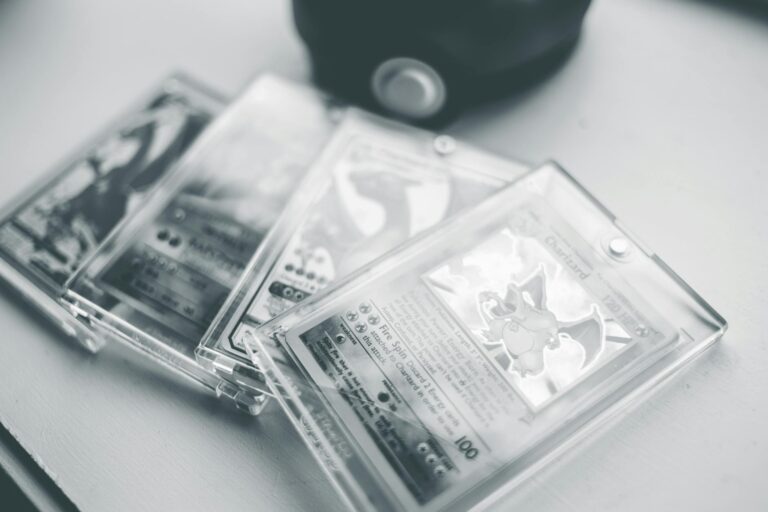
# Pokémon Cards With 1999-2000 Copyright: A Comprehensive Guide
The early years of the Pokémon Trading Card Game produced some of the most sought-after and valuable cards in the entire hobby. Among collectors and enthusiasts, understanding the different print runs and copyright dates has become essential knowledge. One particular copyright date stands out as especially significant: 1999-2000. This copyright marking appears on specific cards that were released during a particular window in the game’s history, and these cards often represent corrections or variations of earlier printings.
## Understanding Copyright Dates in Pokémon Cards
When Wizards of the Coast distributed Pokémon cards in English-speaking markets, they included copyright information on each card. The copyright date tells collectors when that particular printing was authorized and released. The earliest cards from the Base Set came in several different print runs, each with its own copyright date. The progression typically went from 1st Edition cards (marked with a stamp), to Shadowless cards (which lacked the shadow border around the artwork), to Unlimited cards (which had the shadow border and no 1st Edition stamp), and finally to later print runs that included the 1999-2000 copyright date.
The 1999-2000 copyright date is particularly important because it marks a specific period when Wizards of the Coast made corrections to cards that had errors in earlier printings. This wasn’t just a random date chosen for marketing purposes. Instead, it represented a deliberate effort to fix mistakes that had slipped through quality control in the initial releases. Understanding which cards received corrections during this period helps collectors identify genuine variations and understand the history of the game’s production.
## Corrected Cards From the 1999-2000 Print Run
Several Pokémon cards received corrections specifically in the 1999-2000 copyright print run. These corrections addressed errors that appeared on 1st Edition, Shadowless, and Unlimited versions of the cards.
Vulpix represents one of the most straightforward examples of a card that was corrected during this period. The 1st Edition, Shadowless, and Unlimited prints of Vulpix all contained an error where the card’s hit points were printed as “HP 50” instead of the correct format “50 HP”. This formatting mistake was only corrected in the UK released 1999-2000 4th print run. For collectors seeking the corrected version of Vulpix, finding a UK 1999-2000 print becomes necessary if they want the proper HP formatting.
Slowpoke also received corrections during the 1999-2000 print run, though it had multiple issues that needed addressing. All 1st Edition and Unlimited versions of Slowpoke incorrectly credited the illustrator Miki Tanaka as “Miki Takano”. This error was corrected on the third print, which carried the 1999-2000 copyright date. Additionally, some Unlimited Slowpoke cards had a large blue ink error over the Psychic Energy symbol at the top right of the card, which was also addressed in later printings.
Another card that saw corrections was Monster Ball, which appeared on certain Pokémon cards. The unlimited version was corrected, with “Monster Ball” being replaced with the correct term “Poké Ball”. This change reflected the official naming conventions that had been established for the game.
## Uncorrected Errors That Persisted
Interestingly, not all errors were corrected even by the 1999-2000 print run. Some mistakes proved more stubborn and remained on cards throughout their production history.
Dark Arbok stands out as a particularly notable example of an error that was never corrected. Both the Holofoil and Rare versions of Dark Arbok from the 1st and Normal Edition printings contain a significant error in the copyright date. The number 3 was accidentally inserted into 2000, resulting in the copyright date reading “©1999-23000 Wizards” instead of the correct “©1999-2000 Wizards”. This error persisted across multiple printings and was never officially corrected, making it a permanent part of these cards’ production history.
Holofoil Dark Dragonite also contains an uncorrected error. The attack cost symbols for this card are not properly centered, a flaw that remained throughout its production run. Unlike some other errors that were addressed in later printings, this centering issue was never fixed.
The Tickling Machine card presents an interesting case of an error that was never formally corrected but was addressed through gameplay rulings instead. In all prints of this card, it is classified as a “Rocket’s Secret Robot”, although the original Japanese card has text that was translated as Rocket’s Secret Machine in all other instances. A correction or errata was never officially issued for this card. Instead, a 2005 ruling sidestepped the issue by giving the instruction to “consider it” one, but only for certain interactions. This represents a unique approach to handling an error where the card itself was never changed, but the rules governing its use were adjusted.
## The Significance of 1999-2000 Printings
The 1999-2000 copyright date represents a transitional period in Pokémon card production. By this time, Wizards of the Coast had identified several errors in the earlier printings and took steps to correct them. However, the company’s approach was not comprehensive. Some errors were fixed while others were left alone, either because they were deemed minor enough to ignore or because correcting them would have required more extensive changes to the production process.
For collectors, the 1999-2000 copyright cards occupy an interesting middle ground. They are not as rare or valuable as 1st Edition cards, which command premium prices due to their limited production run. They are also not as common as later printings from subsequent years. Instead, they represent a specific moment in the game’s history when quality control efforts were being refined and standardized.
The existence of corrected versions in the 1999-2000 print run actually makes these cards valuable for different reasons than rarity alone. Collectors who want the “correct” version of a card like Vulpix or Slowpoke must seek out the 1999-2000 printing specifically. This creates demand for cards that might otherwise be overlooked in favor of earlier, rarer printings.
## Variations Within the 1999-2000 Period
It’s important to note that even within the 1999-2000 copyright period, variations existed. The UK released 1999-2000 4th print run of Vulpix, for example, represents a specific regional release that corrected the HP formatting error. This suggests that Wizards of the Coast may have made corrections at different times for different markets, or that they implemented fixes gradually