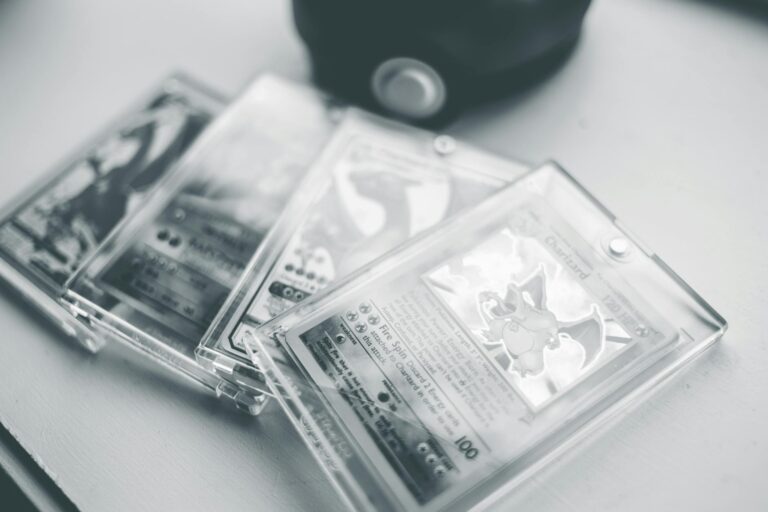
The transition from Shadowless to Unlimited in Pokémon cards happened in late 2000, specifically around September or October, when Wizards of the Coast shifted printing to include the drop shadow on card borders, marking the end of the ultra-rare Shadowless era and the start of the more common Unlimited prints. This change was subtle at first glance but huge for collectors because Shadowless cards, printed from roughly June 1999 to late 2000, lack that thin black shadow around the card’s artwork border, making them scarcer and more valuable today. Let’s dive deep into what this all means, step by step, like we’re chatting over a stack of old binders at a card shop.
Picture this: Pokémon Trading Card Game bursts onto the scene in January 1999 in the US, printed by Wizards of the Coast, the same folks behind Magic: The Gathering. The very first sets—Base Set, Jungle, and Fossil—come out in waves through 1999. Early on, all cards have a clean, crisp look with no shadow on the border. These are called “1st Edition” if they have that special stamp in the bottom left, but even without it, the initial prints are “Shadowless.” Why Shadowless? Because the artwork sits right up against the edge without any dark outline separating it from the white border. It’s a clean, bold design that screams rarity now.
By mid-1999, Wizards ramps up production to meet insane demand—kids everywhere are trading these at school, and scalpers are flipping packs for profit. Printing presses run hot, but quality control leads to variations. The Shadowless phase kicks off strong with the Base Set’s second print run around June 1999. No 1st Edition stamp, but still no shadow. These cards have lighter black text on the type and copyright lines compared to later prints, and the artwork feels extra vibrant because there’s no shadow dulling the edges. Collectors hunt them like treasure because Wizards only printed them for a short window before tweaking the plates.
Fast forward to late 2000. Exactly when did the switch happen? Pinpointing the date is tricky because Wizards didn’t announce it with fanfare—no press release saying “Hey, shadows incoming!” Instead, it was a gradual shift in print runs. Most experts agree it occurred during the printing of the Base Set 2nd Edition and early expansions like Team Rocket, around September to October 2000. Base Set 2, released in February 2000, started with Shadowless cards but midway through production, Unlimited with shadows appeared. Team Rocket, out in April 2000, followed suit—early packs had Shadowless, later ones Unlimited.
What triggered the change? Simple logistics. The shadow was added to improve print quality and reduce issues like ink bleed or misalignment on high-speed presses. Shadowless cards sometimes show slight fading or misalignment because the artwork butts right up to the border. Adding the shadow created a buffer, making mass production smoother as Pokémon exploded in popularity. Wizards printed millions more cards to keep shelves stocked, so Unlimited became the norm.
To spot the difference, grab a magnifying glass. On Shadowless, the border is pure white meeting the artwork directly—no black line. Text like “Pokémon” or the copyright is faint and grayish. Unlimited has that crisp black shadow outline, bolder text, and often a slightly different blue tint on holographic cards. Holofoils in Shadowless have a more pronounced “raised” 3D effect too. Rarity wise, Shadowless are printed in tiny numbers—maybe 10-20% of total Base Set production—while Unlimited flooded the market.
This transition rippled through all Wizards-era sets. Jungle and Fossil, released April and October 1999, were mostly Shadowless with some late Unlimited print runs. Team Rocket in 2000? Heavy mix—check pack dates or card backs for clues. Neo Genesis, the first big post-Base expansion in December 2000, is almost entirely Unlimited, though super-early packs might sneak in Shadowless. Neo Discovery and Neo Revelation in 2001? Fully Unlimited, solidifying the new standard.
Why does this matter so much now, over 25 years later? Value, baby. A Shadowless Base Set Charizard holo can fetch thousands—think $5,000 to $20,000 in near-mint, depending on grade from PSA or BGS. Unlimited version? Hundreds, maybe $200-500. The scarcity drives it: fewer Shadowless survived the 90s playground wars, and nostalgia fuels grading booms. Collectors grade them to slab ’em up, preserving condition. Pro tip: Always check the bottom text—if it’s bold and black, Unlimited; faint, Shadowless.
Diving deeper into the sets timeline helps see the full picture. Wizards kicked off with Base Set January 1999: all 1st Edition Shadowless at launch. Jungle April 1999: pure Shadowless. Fossil October 1999: same deal, introducing fun fossils like Omanyte. Then Base Set 2 February 2000: starts Shadowless, transitions mid-run to Unlimited. Team Rocket April 2000: Shadowless early, Unlimited later—Rocket’s Blastoise holo is a Shadowless gem. Gym Heroes and Gym Challenge in summer 2000: mostly Unlimited by release, but Shadowless exist in first prints.
Neo Genesis December 2000 marks the Neo era start—Lugia and Typhlosion shine, all Unlimited. Neo Discovery June 2001 brings Shining Pokémon precursors. Neo Revelation September 2001 drops those iconic Shining Charizard and Mewtwo—fully Unlimited, but low print runs make ’em chase cards. Legendary Collection May 2002 reprints classics with fireworks reverse holos—Charizard reverse is a fan favorite, still Wizards-printed but Unlimited style[1]. Wizards bows out with Expedition in September 2002, the last WotC e-Series set.
Speaking of the company handover, that’s another transition tied in. Nintendo ends Wizards’ license in 2002, handing printing to Pokémon USA (later Pokémon Company International). EX Ruby & Sapphire in March 2003 is the first official post-WotC set—new EX mechanic, fresh layout, no more shadows in the old sense because the design evolves entirely[1]. But the Shadowless to Unlimited flip predates that by years—it’s a pure Wizards printing evolution.
Grading enters the chat around 2001 as the hobby matures. PSA starts slabbing Pokémon heavily post-2000, boosting Unlimited values too, but Shadowless skyrocket. Fakes? Oh yeah, beware reprints and counterfeits mimicking Shadowless—check holo patterns, the dotted copyright line (dots closer in Shadowless), and weight.
Community stories add flavor. Old-timers remember tearing packs in 1999, unaware of print variants. Forums like Pokegym or Reddit’s rPokeInvesting buzz with “Is my Jungle Shadowless?” posts. Tournaments shifted too—Unlimited dominated play post-2000 as cards got cheaper.
Modern collecting nods back. Reprints like Celebrations 2021 homage Shadowless looks, but nothing beats originals. Prices fluctuate—2021 boom saw Shadowless Base Charizard hi