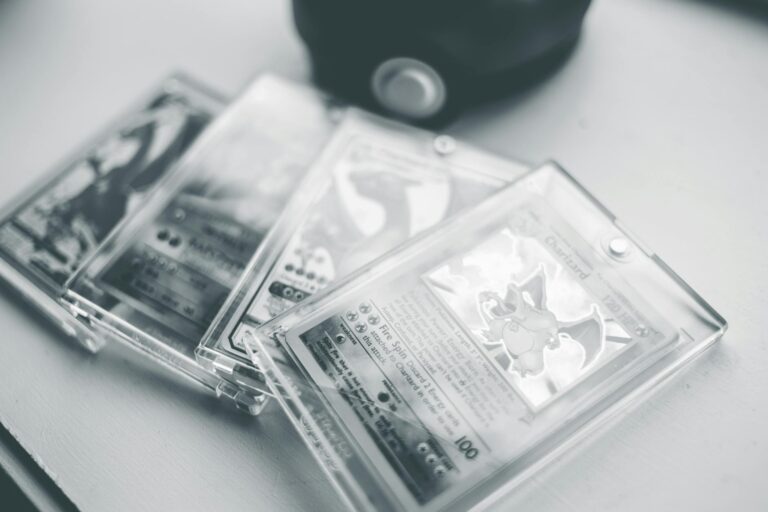
Is there a fifth print of the Pokémon Base Set? No, there is not. The original Pokémon Trading Card Game Base Set, released on January 9, 1999, only had four official print runs in English, known as the 1st Edition, Unlimited, Base Set 2, and Legendary Collection reprints, with no evidence of a fifth print ever existing.[1][2][4]
To understand why people even ask about a fifth print, you have to go back to how Pokémon cards started. Back in 1999, the Pokémon craze exploded. Kids everywhere were trading cards of Pikachu, Charizard, and Blastoise at school, and stores could not keep booster packs on shelves. Wizards of the Coast, the company handling the English TCG at the time, rushed to print as many as they could to meet demand. They did this in waves, called print runs, each with small differences that collectors spot today.[2][5]
The first print run was the rarest: 1st Edition. These packs had a special stamp on the Charizard and other holos that said “1st Edition” in a black circle. Only a tiny number got made before they fixed some errors and printed more. Demand was so high that Wizards printed the Unlimited edition next. Unlimited cards look almost the same but dropped the 1st Edition stamp and had better quality control, like no drop shadows around the card art, which some call “shadowless” prints within that run.[1][4][5]
Then came Base Set 2 in February 2000. This was basically a reprint of the Unlimited set with 130 cards, including everything from the original 102 plus extras from Jungle and Fossil. It had its own code, B2, and was meant to keep supply going as the hype continued. People opened these thinking they were getting fresh Base Set cards, but savvy collectors noticed the slight artwork tweaks and different backs.[2][4]
After that, Wizards kept the Base Set alive through Legendary Collection in 2003. This was not a straight reprint but a new set with 110 cards, reprinting 70 from the original Base Set plus new stuff. It used the same style but updated some images and added shiny Pokémon. This counts as the fourth way Base Set cards got printed, bridging the old WOTC era to the new Pokémon Company days.[2][4]
Why stop at four? Simple: the market changed. By 2003, Wizards lost the license to The Pokémon Company, who took over printing themselves. They shifted to new sets like EX series, focusing on fresh Pokémon from Ruby and Sapphire games. No need for more Base Set prints when Jungle, Fossil, and Team Rocket were already out, and kids wanted EX Dragonite or EX Mewtwo.[1][2][4]
Rumors of a fifth print pop up online because collectors love chasing myths. Some say they saw “5th print” packs in old stores or heard playground stories, but no official lists from Bulbapedia, Dexerto, or Wargamer mention it.[1][2][4] Fake cards or mislabeled Base Set 2 boosters fuel this. Check any card: real Base Sets have specific symbols like JU for Jungle or FO for Fossil on the bottom. A fifth print would have a unique code or stamp, but none exists in databases or price guides.[4][6][7]
Spotting prints is fun for collectors. Take a Charizard holo, the king of Base Set. 1st Edition has the stamp and often red cheeks on Pikachu cards in the set. Shadowless Unlimited have crisp drop shadows missing around art. Base Set 2 has bolder text and different energy symbols. Legendary has a starry border on holos. No fifth version matches these patterns.[5][7]
Prices tell the story too. A near-mint 1st Edition Charizard sells for thousands, while Unlimited goes for hundreds, Base Set 2 less, and Legendary reprints even cheaper. If a fifth print existed, it would flood the market and tank values, but Unlimited stays valuable because supply was tight.[6][7]
Japanese sets had their own Base Set prints, but English stuck to four. In Japan, the first cards dropped October 20, 1996, with 10-card boosters versus 11 in the West. They had Red and Green versions inspiring the TCG, but no fifth English print rumor ties back there.[3]
Deep dives like YouTube breakdowns confirm: Base Set’s magic was those first four runs. The foil packs with Charizard wrappers, the playground myths about red-cheek Pikachu being rare, the chase for holos—it all built the hobby. Without those prints, no Jungle or Fossil follow-ups.[5]
Today, with sets like Cosmic Eclipse at 271 cards or 2025’s Mega Evolution, Base Set feels ancient but iconic.[1][2] Unlimited and reprints keep it accessible. Buy sealed booster boxes if you can find Wizards-era ones; they hold value better than loose cards.[6]
Counterfeits mimic prints, so check weights, holo patterns, and centering. Real cards feel premium, not waxy. Grading services like PSA or CGC verify, with recent sales showing CGC 8 NM/Mint Charizard at $775 as of late 2025.[7]
Expansions kept evolving: Neo Genesis in 2000 with 111 cards, Diamond & Pearl Base in 2007 with 130, Black & White in 2011 with 115. Each “Base Set” for a gen reprints core ideas but never circled back to a fifth original print.[1][4]
POP series and promos filled gaps, like POP 1 from 2004 with special cards, but not Base Set reprints.[2] McDonald’s promos in 2015 gave mini-sets, yet nothing touches the original four.
For new collectors, start with Base Set 2 packs if available—they mimic the first experience without breaking the bank. Rip them open, feel the nostalgia, chase that Blastoise.
Veterans hunt shadowless holos, debating if red cheeks matter. Spoiler: early prints had them due to ink, later fixed, but not a print marker alone.[5]
The set’s 102 cards: 9 rares, 16 uncommons, 32 commons, 16 holos, 16 holographics, 16 energy, trainers. Simple but perfect. Venusaur starters, Clefairy commons everyone had tons of.
Cultural impact? It launched a billion-dollar hobby. From 1999 playgrounds to 2025 auctions, those four prints endure.
No fifth print means the legend stays pure. Four waves captured lightning in a bottle. That’s Pokémon Base Set—timeless, finite, forever chased.