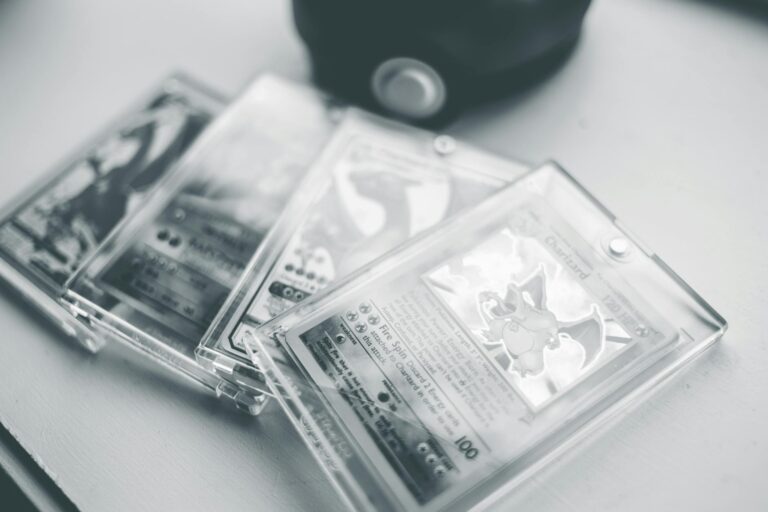
The fourth print of a book or comic, especially in the world of collectibles like trading cards or rare editions, sometimes gets nicknamed the “UK Print” because of a quirky little detail tucked away on its pages. This label pops up mostly among collectors of Magic: The Gathering cards, where the fourth print run of certain sets carried a small marking that nodded to printing done in the United Kingdom. Let me walk you through this step by step, like we’re chatting over coffee, digging into the history, the reasons, and why it matters to fans without any fancy jargon or lists.
Picture this: back in the early 1990s, Wizards of the Coast kicked off Magic: The Gathering, the game that turned card collecting into a global frenzy. Early sets like Alpha, Beta, Unlimited, and then Revised needed massive print runs to keep up with demand. The first three prints—Alpha with its black-bordered rarity symbols, Beta with rounded corners, and Unlimited without those symbols—were mostly handled in the United States. But by the fourth print, things shifted. Printers in the UK stepped in to help churn out more cards faster, and to tell these apart from earlier versions, they added a tiny clue: the copyright line at the bottom of the card read something like “© 1993 Wizards of the Coast, Inc. Printed in the United Kingdom” or a similar variant. Boom—that’s where the “UK Print” name stuck. Collectors spotted it right away and started calling the whole fourth print batch by that tag, even if not every single card screamed “UK” in big letters.
Why the UK specifically? It boils down to logistics and business smarts. The game exploded in popularity across Europe, and shipping everything from America got pricey and slow. Wizards partnered with UK-based manufacturers who could pump out high-quality cards locally, cutting costs and speeding delivery to British and European players. This wasn’t random; it was a calculated move in the pre-internet era when global supply chains were trickier. For instance, the fourth print of Revised edition cards from 1994 often shows this marking, making them distinct from the US-printed third print. Fans on forums and at conventions latched onto the term because it was a quick shorthand—say “UK Print,” and every collector knows you’re talking about that specific run with its own value quirks.
Now, value is a big deal here, and that’s where the fun gets real for hobbyists. UK Prints aren’t always rarer in raw numbers, but their condition matters a ton. Printed on slightly different stock or with minor alignment differences, they sometimes grade higher or lower depending on the card. A pristine UK Print Black Lotus or Mox could fetch thousands more than a beat-up US version because of that origin story. Auction sites and grading services like PSA or BGS note these distinctions in their slabs, boosting the “UK Print” mystique. It’s not just nostalgia; it’s about provenance, that fancy word for a item’s backstory proving it’s legit.
Diving deeper into the timeline, let’s trace how this evolved. The original Revised set hit shelves in 1994, with the fourth print rolling out later that year. Wizards didn’t announce it loudly—no press releases saying “Hey, UK edition incoming!”—but word spread through player networks. Early players in the UK remember cracking packs from local game stores stocked with these fresh imports. Over time, as the game grew, later sets like Fourth Edition in 1995 flirted with similar regional prints, but Revised’s fourth run became the poster child for the “UK Print” label. Counterfeiters even tried mimicking it, adding fake UK markings to scam newbies, which made savvy collectors double down on spotting authentic ones by font quirks or paper feel.
Speaking of spotting them, here’s the practical side for anyone hunting these. Flip the card over, squint at the fine print near the bottom center. If it says “Printed in the UK” or lists a UK printer like “Made in England,” you’ve got one. Not every fourth print has it identically—some variations exist due to printer batches—but the consensus in collector circles is clear. Tools like magnification apps on phones help, and communities share close-up photos to train eyes. This isn’t guesswork; it’s pattern recognition built from years of trading.
But why does this one print get all the love? Rarity plays in, sure, but so does the human element. Collectors love stories, and the “UK Print” weaves one: a scrappy American game crossing the Atlantic, adapting to feed hungry European fans. It marks a pivot point when Magic stopped being a US-only phenomenon and went worldwide. Compare it to vinyl records—first pressings have that aura, but a regional variant like a UK pressing of a Beatles album? Instant collector catnip. Same vibe here.
Expanding on the business angle, Wizards wasn’t alone in this. Other card games and even comic publishers did regional prints for efficiency. Think Pokémon cards with EU variants or early Yu-Gi-Oh runs. But Magic’s UK Print stuck because the game documented its own history so meticulously—every errata, every printing change logged in rulebooks and online archives. Players dissected it like archaeologists, naming waves after quirks: “Fourth Edition Unlimited” versus “Revised UK.” This fan-driven taxonomy turned a factory footnote into folklore.
For new collectors dipping toes in, start small. Grab a Revised fourth print common like a Llanowar Elves; they’re cheap entry points to learn the look. Trade up as you go, always verifying with trusted graders. The thrill? Holding a piece of gaming history that traveled oceans. And for veterans, it’s about preservation—sealing them away as values climb with nostalgia cycles.
Shifting gears to the cultural ripple, the UK Print influenced tournaments too. Early UK events ran on local stock, so prize cards often traced back to those runs. Pros swapped stories about pulling UK-minted power nine, fueling legends. Today, digital proxies like MTG Online nod to physical variants, but nothing beats the tactile joy of a UK-stamped original.
On the flip side, not everyone’s sold. Some purists dismiss UK Prints as “lesser” due to perceived quality dips—faint ink bleeds or corner wear from humid UK storage. Debates rage in comment sections: is a UK Mox Sapphire worth the premium? Data from sales trackers leans yes, with averages 10-20% higher for graded UK copies. It’s subjective, but market speaks loud.
Preservation tips keep these alive. Store in sleeves, away from sunlight, humidity controlled—UK cards hate moisture irony. Grading preserves them eternally, turning cardboard into investment art.
Generational handoff matters too. Parents passing UK Prints to kids sparks new obsessions, looping the cycle. Online marketplaces buzz with “UK Print lot” listings, drawing global bidders.
In the broader print world beyond Magic, echoes exist. Comic reprints like Amazing Fantasy #15’s later runs got regional tags, but none branded as neatly as “UK Print.” It’s Magic’s unique gift to geek culture.
As sets evolve—Modern Horizons, Universes Beyond—the lesson lingers: prints tell tales. Fourth print collectors chase that UK whisper, a reminde