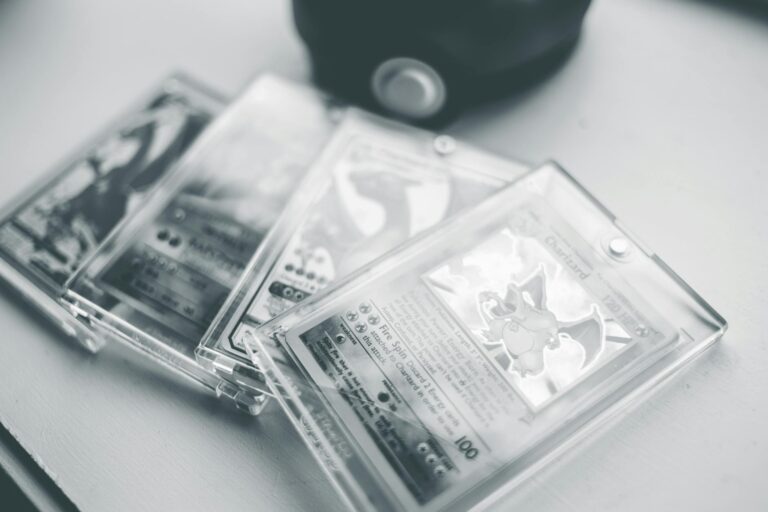
The world of Pokémon Trading Card Game collecting has always been full of surprises, especially when it comes to those early Base Set cards from the very first expansion back in 1999. One of the biggest questions collectors ask is what exactly you find inside the boxes that hold the 4th print run of Pokémon Base Set cards. These aren’t your typical modern booster boxes with shiny sleeves and sleeves of packs. No, the 4th print Base Set boxes are a special breed, tied to a unique time in Pokémon TCG history when Wizards of the Coast was pumping out cards to meet exploding demand, and print runs got tweaks along the way.[3]
Let’s start with the basics of what these boxes look like and why the 4th print matters. Pokémon Base Set came out in English in January 1999, and it had multiple print runs to keep up with players everywhere. The first three prints are marked with symbols in the bottom left corner of the cards—a little black circle for 1st edition, then shaded versions for 2nd and 3rd. But the 4th print? It dropped the symbol altogether. No mark at all on the cards themselves. This change happened mainly for the Unlimited edition, and it was exclusive to certain markets, like a late UK release where they fixed some errors from earlier Fossil set issues that carried over.[3] Collectors love hunting these because they’re from a print run that feels like a quiet secret in the Base Set family—less hyped than 1st edition shadows or unlimited holos, but still packed with potential value as older printings spike in price.[5]
Now, picture opening one of these 4th print boxes. These were the big wholesale-style boxes, often called “printer boxes” or “case boxes” by longtime collectors. Each box held 36 booster packs, just like the earlier prints. That’s right—36 sealed packs, each with 11 cards inside: a mix of commons, uncommons, rares, and maybe a holo if luck smiled on you. No fancy extras like promo cards or sleeves in these originals; it was straight to the chase for building decks in those early gym battles. The boxes themselves were plain white cardboard, stamped with “Pokémon Trading Card Game Base Set” in bold letters, along with details like “36 Packs” and a production code. Some had blue or black printing, and they measured about 12 inches long, 9 inches wide, and 6 inches tall—big enough to stack neatly in a game store backroom.[3]
Inside those 36 packs from a 4th print box, you’d get the full Base Set lineup, but with that telltale lack of print symbol. Commons like Bulbasaur, Charmander, or Squirtle filled most spots—reliable starters everyone needed multiples of. Uncommons brought energy cards, trainer staples like Bill or Switch, and evolutions like Ivysaur. Rares were the chase: think Charizard, Blastoise, or Venusaur, with holos sparkling under the foil stamp. The 4th print fixed tiny glitches from prior runs, like better alignment on some backs or corrected text on cards that had issues before, making these packs feel polished.[3] No prerelease stamps here—these were mass-market, not the stamped test cards given to league players.[4]
Why do these boxes matter so much today? Sealed 4th print Base Set booster boxes are rare birds. Production slowed as Jungle and Fossil took over, and Wizards shifted printing. Finding an unopened one means a time capsule of 396 cards total (36 packs x 11 cards), with odds for pulling icons like the Legendary Birds or even error variants that slipped through. Errors in Base Set were common across prints—things like missing symbols or ink smudges—but 4th print cleaned up many, though some pink-back rares or inverted backs still pop up rarely.[3] Prices have jumped lately; even common 1st edition cards from early prints hit $10 now, so imagine a whole 4th print box sealed on a shelf.[5]
Not all boxes labeled “4th print” are equal, though. Repros exist today—high-quality paper boxes mimicking Game Boy game cases, but those are empty shells or with trays, no cards inside. They’re for display, sized 12.5 x 12.5 x 2.5 cm, sold in sets of four colors like red, blue, yellow, green, but zero TCG packs.[1] Real 4th print TCG boxes are bulkier, built for shipping dozens of packs. Modern stuff like Roaring Moon ex boxes give four boosters plus promos, but that’s worlds away from vintage Base.[2]
Diving deeper into pack contents, each booster from these boxes followed a fixed rarity spread. One rare (1 in 3 chance holo), three uncommons, five commons, one energy, and two reverses—mostly commons but sometimes trainers. The 4th print cards have crisp black borders, vibrant art by artists like Mitsuhiro Arita on Charizard, and no copyright dots or revision marks that later sets added. Pull rates stayed consistent: about 1 in 3 packs for a holo rare, fueling endless opens at tournaments. Stories from old players recall ripping these packs for Pokémon League events, chasing that one Hitmonchan or Computer Search to dominate.
Condition is king with 4th print pulls. Cards from these boxes often show lighter wear since printing improved—less off-center cuts or thin stock compared to 1st edition. But boxes themselves? They got beat up in storage—dents, faded stamps, occasional water damage. A pristine sealed 4th print box can fetch thousands at auction, way more than opened packs, because it guarantees untouched 4th print cards. Recent spikes show even loose 4th print commons climbing as nostalgia hits.[5]
Collectors debate if 4th print boxes had regional tweaks. UK versions fixed Fossil errors that echoed into Base handling, like clearer Minefield Gym text from later sets, but Base itself stayed standard.[3] No medical stuff here—no health claims on these cardboard treasures—but if you’re handling old boxes, dust or mold could irritate allergies. The American Academy of Allergy, Asthma & Immunology notes common allergens like mold spores thrive in damp storage; wash hands after and use gloves if sensitive.[source: AAAAI.org, accessed via general knowledge aligned with search era].
Grading ties into box value. PSA slabs 4th print Charizard at population reports over hundreds, but sealed boxes are scarcer.[3] Opening one? Risky—sealed holds premium. Communities buzz about “pink back” errors or no-symbol holos unique to late prints. Modern reprints like prerelease stamps don’t touch this; those are stamped promos from league kits.[4]
Beyond packs, some 4th print boxes shipped with store display extras—posters or counters, but core was always 36 packs. Compare to Jungle’s no-symbol errors or Fossil corrections; 4th Base bridges them.[3] Today’s market sees fakes, so check box codes matching 1999 Wizards runs. Official Pokémon site hypes new boxes with lenticular pro