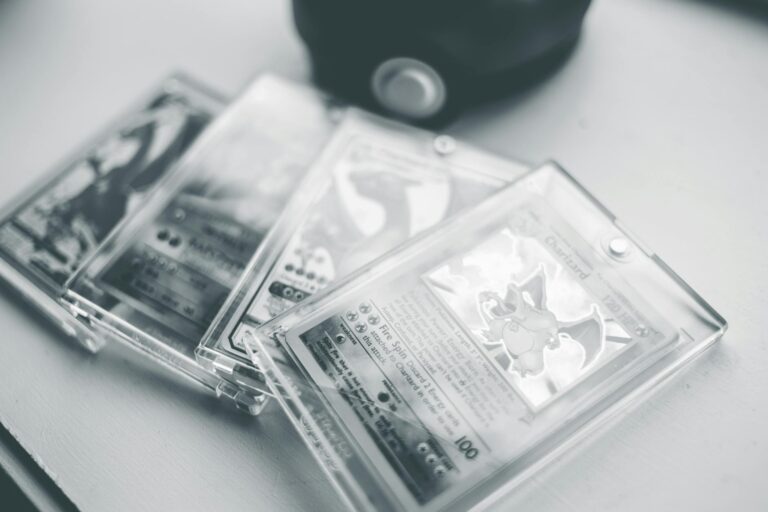
The print order of the Base Set versions in the Pokémon Trading Card Game starts with the original Base Set released on January 9, 1999, followed by Base Set 2 on February 24, 2000, as part of the early Wizards of the Coast era that kicked off the entire collecting craze.[1][4] These were the main versions collectors chased back then, and understanding their order helps spot real cards from fakes or reprints in today’s huge market. Let’s break it down step by step in a way that’s easy to follow, like chatting over a stack of old packs.
First off, picture the Pokémon TCG world in late 1998. The game exploded from the video games and anime, and Wizards of the Coast, the same folks behind Magic: The Gathering, got the license to print cards in English. They didn’t just slap out one version and call it done. Instead, they printed the Base Set in waves with clear differences to mark when they hit the shelves. The very first print run was the 1st Edition Base Set. This one has a special black stamp in the bottom left corner of the artwork side that reads “1st Edition” in a circle. It came out right on that January 9, 1999 date, and only a limited number got printed before they switched things up.[1][3][4] Why limited? Demand was wild, shelves emptied fast, and they needed to keep producing without running out of paper or ink.
Right after those 1st Edition packs vanished, Wizards rolled into Unlimited Base Set prints. Unlimited means no 1st Edition stamp at all—just plain cards with the same 102-card lineup, including icons like Charizard holo number 4 that still fetches thousands in top shape today.[1][2][4] These Unlimited prints started showing up in stores pretty quick after January 1999, probably by February or March, though exact days aren’t pinned down in records. The print order here is key: 1st Edition first, then Unlimited. You can tell them apart easy—the stamp is the giveaway. No stamp? It’s Unlimited from that initial Base Set wave.[3][5]
Now, here’s where it gets interesting for serious collectors. During those early Unlimited prints, there were tons of little printing goof-ups, called error cards, that happened because the machines were cranking non-stop. For example, some 1st Edition commons and uncommons have smeared or crooked 1st Edition stamps because the black ink didn’t dry fast enough before cards got stacked or handled.[5] Other Unlimited ones show stuff like a pink ring above Ditto’s head from an ink smudge, or extra black dots messing up the text on Sandslash’s weakness line.[5] These errors popped up across the print run order, mostly early on when presses were dialed in. They fixed some later, like on Rocket’s Minefield Gym where Unlimited got a late correction adding damage counter details that 1st Edition skipped entirely.[5] Spotting these tells you about the exact batch in the print sequence—earlier errors mean older sheets from the press.
Fast forward about a year, and with Jungle out in June 1999 and Fossil in October 1999, Wizards decided fans still wanted more Base Set cards.[1][4] So they printed Base Set 2, dated February 24, 2000. This isn’t a straight reprint—it’s a combo pack with 130 cards mixing Base Set stuff, Jungle reprints, and a few new ones. It has a silver-bordered “2” symbol on the bottom to mark it clear as day.[1][3][4] Print order wise, Base Set 2 came way after the original Base Set’s 1st Edition and Unlimited waves. No 1st Edition stamp on these either, and the card stock feels a bit different, lighter maybe, to cut costs as printing tech improved.[3] Collectors rate it lower for prestige than the true originals, but it’s still vintage gold from the Wizards days.
Was there anything between Unlimited Base Set and Base Set 2? Nope, not in the main line. Wizards focused on Jungle and Fossil first, then looped back with Base Set 2 to meet demand from kids who missed the first drops.[1][3] After Base Set 2, the next big Base-related stuff was Team Rocket in April 2000, but that’s a whole new set, not a Base version.[1][4] Printing shifted companies later—Pokémon USA took over by 2003 with EX Ruby & Sapphire, bringing new layouts and EX mechanics, but those aren’t Base Set versions at all.[3]
Why does print order matter so much now, over 25 years later? Value skyrockets with condition and edition. A PSA 10 Charizard from 1st Edition Base Set can hit over $13,000, way more than Unlimited or Base Set 2 versions, because fewer survived mint and the print run was shortest first.[2] Fakes flood the market too—modern knockoffs copy the backs perfect since 1999, but mess up holo patterns, colors, or stamp alignment.[7] Real 1st Editions have crisp stamps without smears unless it’s that documented error variety.[5][7] Gray stamps on some commons? Those are rare print flubs from the early Base Set presses.[5]
Diving deeper into how they printed these, Wizards used giant sheets of cards, like 11 across by 10 down, cut after inking both sides. Errors like inverted backs—where the Poké Ball side prints upside down—happened if a sheet flipped during the process.[5] A few Base Set unlimited non-holos show this, or even double-printed backs from running through twice.[5] These pinpoint super-early or glitchy spots in the print order. For Base Set 2, no major errors listed like that, but its silver “2” stayed consistent across its full run.[3]
If you’re building a collection, chase the order like this: Start with 1st Edition Base Set for the holy grail, then Unlimited Base Set for everyday classics, and Base Set 2 for that nostalgia filler. Total cards? Original Base has 102, Base Set 2 bumps to 130 with Jungle mixes.[4] Holo foils shine different too—older Wizards holos have a dotted pattern you can feel, unlike smooth modern ones.[7] No medical stuff here, just pure card geekery.
Beyond values, the print order shaped the game. Base Set introduced energy, attacks, holographics, and rarity stars—stuff still used today.[3] Jungle added grass types June 16, 1999, Fossil hit October 10 with colorless tricks, then Base Set 2 refreshed it all February 2000.[1][4] This sequence built the meta, with Charizard dominating early tournaments till counters came in later sets.
Collectors today use tools like binder pages designed for these exact sets, tracking holos and reverses slot by slot.[6] Grading spots like Beckett check print quality, stamping authenticity, and edge wear to confirm order placement.[8] Fake hunters look at font spacing—1st Edition stamps curve jus