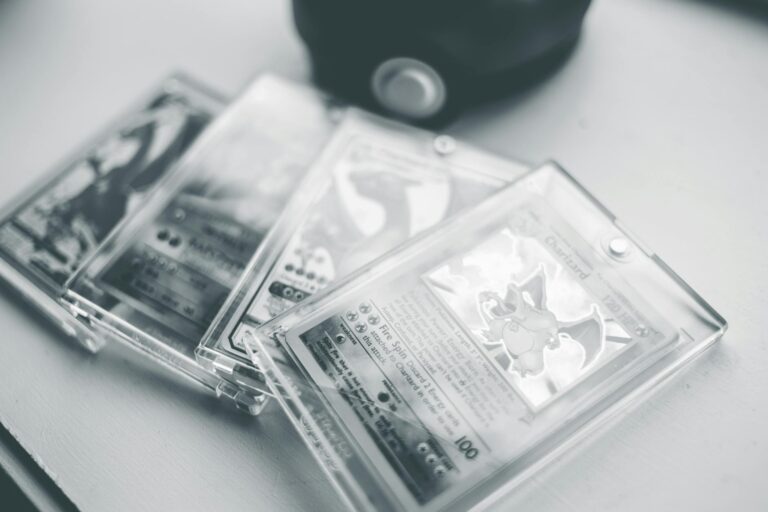
The most common print run of the Pokémon Trading Card Game Base Set is the Unlimited edition, which had the highest production numbers compared to the scarcer 1st Edition and Shadowless versions.[1][6]
Let’s dive into the world of the original Base Set, released back in January 1999 by Wizards of the Coast. This was the very first Pokémon TCG expansion, packed with 102 cards featuring iconic Pokémon like Charizard, Blastoise, and Venusaur. It kicked off a massive collecting craze that still grips fans today. But what makes one print run more common than others? Print runs refer to batches of cards produced during manufacturing. Wizards printed the Base Set in phases, each with distinct features, and the amounts varied wildly based on demand and timing.
Start with the rarest: the 1st Edition. These cards have a special gold-stamped “1st Edition” mark in the bottom left corner. They were only printed for a short window at the launch, aimed at early adopters and stores. Production stopped quickly once demand surged, making them super limited. For example, high-grade 1st Edition holos like Mewtwo or Chansey fetch tens of thousands at auction because so few exist in top shape.[1] Errors like gray stamps or low ink on these are even tougher to find, adding to their chase status.[4] Collectors prize them for their historical kickoff vibe, but they’re far from common—you might hunt through thousands of cards without spotting one.
Next up is Shadowless, a middle-ground print run. These lack the drop shadow around the card’s artwork and the Pokémon symbol in the bottom right. Printed right after 1st Edition, they still caught that early hype but in bigger numbers. They’re scarcer than Unlimited but way more available than 1st Edition. Sites tracking sales note Shadowless holos, especially Charizard, pop up more often in auctions, though pristine copies remain pricey.[1] Misprints like missing symbols or ink issues show up here too, but not as rarely as in 1st Edition.[4]
Then comes Unlimited, the workhorse print run. These cards added back the shadows and symbols, signaling Wizards ramped up production to meet exploding demand. Unlimited flooded the market through 1999 and into 2000, making it the backbone of most collections from that era. Vintage guides call it the most abundant because factories churned them out in huge volumes—no limits like the debut runs.[6] Commons and uncommons? Everywhere. Even holos like Machamp appear in decent numbers, unlike their 1st Edition siblings.[4] Modern discussions hammer this home: vintage sets like Base Set had tiered prints, with Unlimited dwarfing the others, while later sets printed even more.[7]
Why so many Unlimited? Simple economics. Pokémon blew up fast—kids, teens, and adults scrambled for packs. Wizards responded by scaling up, reprinting Unlimited heavily to stock shelves worldwide. Compare it to later sets: Jungle had big Unlimited runs too, but Base Set’s fame amplified everything.[6] Fossil, the next expansion, went even higher in quantity for affordability.[6] By contrast, reprints like Base Set 2 in 2000 mixed Base and Jungle cards but stayed less common overall.[6]
Spotting print runs is straightforward once you know the tells. 1st Edition: gold stamp. Shadowless: no shadows, faint symbols. Unlimited: full shadows, bold symbols. Condition matters huge—wear from play or storage tanks value, but raw Unlimited cards still surface often at shows or online.[5] Rarity ties directly to print size: low runs mean high prices, high runs mean accessibility.[5]
Dig deeper into collector chatter. Forums note modern sets have massive prints, flooding supply, but vintage like Base Set’s Unlimited still outpaces its own early runs by orders of magnitude.[7] Auction data backs it: 1st Edition GEM MT 10s are one-of-few, while Unlimited equivalents number in the hundreds graded.[1] Errors spice things up—Unlimited Jungle holos missing symbols came from a large batch gone wrong, yet they’re huntable compared to pink-back 1st Edition rares.[4]
Unlimited’s commonality shines in everyday collecting. Building a full Base Set? Grab Unlimited as the cheap base—holos aside, it’s doable without breaking the bank. Vintage guides rate Base Set top-tier for demand and history, but Unlimited keeps it approachable.[6] Later sets like Aquapolis or e-Series had low runs for premium appeal, flipping the script.[6] Even misprints in Unlimited, like double-printed backs, pop up more than in limited phases.[4]
Think about the ecosystem. Booster boxes from Unlimited eras sealed better, preserving more cards. Early 1st Edition boxes? Rarer, pricier.[6] Pull rates favored abundance too—Unlimited packs hit shelves everywhere, from toy stores to gas stations. Demand never waned; it grew, so prints stretched.
For raw hunters, Unlimited commons fill binders fast. Uncommons? Steady supply. Rares? Trickier, but not impossible. Holo foils demand the premium, yet graded Unlimited 10s exist in multiples versus single-digit 1st Editions.[1] Market trends show this: Pikachu Illustrator’s 39-copy run makes it a unicorn, but Base Unlimited is the everyday staple.[5]
Errors add flavor without rarity walls. Gray stamps on Unlimited? Rare-ish, but documented across runs.[4] Rocket’s Minefield Gym corrections happened late in Unlimited, making early error versions common by comparison.[4] Inverted backs or ink stains? Handfuls exist, mostly Unlimited-sourced.[4]
Fast-forward to today: Unlimited Base Set cards anchor nostalgia collections. They’re the gateway—affordable entry to vintage without the wallet pain of 1st or Shadowless. Modern parallels? Scarlet & Violet 151 has high prints for accessibility, echoing Unlimited’s role.[3] Vintage stays king for low-run prestige, but Unlimited balances it.[6]
Population reports from graders like PSA tell the tale. Thousands of Unlimited Base cards graded versus hundreds of Shadowless and dozens of 1st Edition holos.[1] Liquidity flows easy—sell Unlimited quick, haggle 1st Edition forever.[7]
Preservation tips keep them common in circulation. Store flat, away from sun, in sleeves. High prints mean more survivors, even mishandled ones.
Chase stories abound. Kids trading Unlimited stacks in schoolyards, unaware of print tiers. Adults now grading those stacks, uncovering gems. Unlimited’s volume fuels it all.
Compare to Jungle: similar structure, Unlimited dominant there too.[6] Fossil upped quantities further.[6] Base Set set the template—Unlimited as the masses’ choice.
In sealed product, Unlimited boxes surface regularly, unlike scarce 1st Edition packs.[6] Open one? Expect familiar pulls, high hit rates on basics.
Community wisdom: start Unlimited, upgrade to Shadowless, dream of 1st.[7] It’s the people’s print run.
Value shifts with hype. Unlimited Charizard? Hundreds graded, steady prices. 1st Edition? Auctions explode.[1][5]
Global reach amplified Unlimited—exports worldwide, no limits.
R