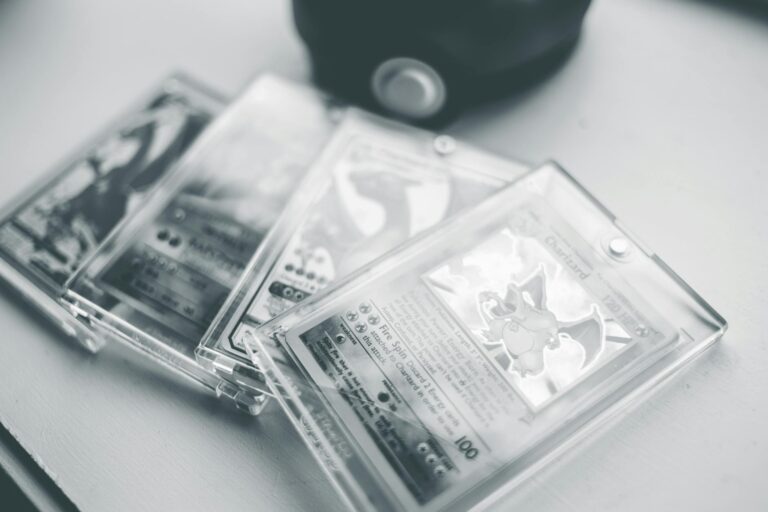
The Pokémon Base Set, released back in January 1999 by Wizards of the Coast, kicked off the English version of the trading card game craze. It was the very first big expansion with 102 cards, including icons like Charizard, Blastoise, and Venusaur that kids and collectors still chase today. But one of the biggest questions collectors ask is how many copies got printed in each run of this set. The truth is, Wizards of the Coast never released official exact print numbers for any Base Set runs. They kept those details close to the chest, probably to build hype around rarity. What we do know comes from collector research, population reports from grading companies like PSA, error patterns on cards, and hints from industry insiders over the years. These clues paint a picture of multiple print runs that ramped up fast as demand exploded.
Let’s break it down step by step, starting with the very first batch. The 1st Edition Base Set hit stores first. This run had that special black stamp in the bottom left corner saying “Edition 1” or “1st Edition.” It was meant to be a limited starter wave, printed before the game blew up huge. Experts figure this run was somewhere around 3 to 5 million booster boxes, based on how scarce high-grade 1st Edition cards are today. PSA has graded over 100,000 Base Set cards total, but only a tiny fraction—less than 10%—are true 1st Editions in top condition. That low survival rate points to a smaller initial print to test the waters. Stores sold out quick, and Wizards rushed more prints to keep up.
Right after 1st Edition came the Shadowless run. These cards don’t have the shadow around the card art or the drop shadow on the Pokémon image, making them look cleaner and more valuable to purists. This was the second major print wave, likely starting in early 1999. Print estimates here climb higher, maybe 10 to 15 million booster boxes. Why? Shadowless cards show up way more often in collections than 1st Editions, but still rarer than later prints. Error hunters spot things like smeared 1st Edition stamps bleeding over into early Shadowless sheets, suggesting printers were tweaking the process on the fly. Yellow ink shifts on UK versions from this era also hint at rushed production lines cranking out millions to meet holiday demand.
Then we hit the Unlimited prints, which make up the bulk of Base Set cards out there. This run dropped the 1st Edition stamp entirely and added shadows back to the artwork for better visibility. It kicked off around mid-1999 and kept going strong into 2000. This is where numbers really ballooned—think 50 million or more booster boxes across various sub-prints. Wizards was printing non-stop because Pokémon fever was everywhere, from TV to toys. Unlimited cards flood the market today; PSA has slabs of commons like Rattata in the tens of thousands. But even within Unlimited, there are layers. Early Unlimited had fixable errors, like Vulpix saying “HP 50” instead of “50 HP,” which got corrected in later 1999-2000 UK runs. Rocket’s Minefield Gym from Gym Heroes ties into this too, with Unlimited corrections showing up late, meaning the presses ran hot for months.
How do we even guess these numbers without official word? It all ties back to real-world clues. Booster packs came in boxes of 36, and each box had 11 packs with one rare holo chance. Vintage sellers and convention hauls show mountains of Unlimited, but 1st Editions vanish fast at auctions. Bulbapedia logs errors like double-printed backs or inverted ones, which only pop up in handfuls from specific sheets—proving short error batches within huge runs. Population reports from PSA and BGS back this up: as of late 2025, Base Set Charizard holos number over 20,000 graded, mostly Unlimited, while 1st Edition versions hover under 2,000 in gem mint. That ratio screams smaller early runs.
Demand drove the print frenzy. Pokémon launched in Japan in 1996, but English Base Set rode the anime wave. By summer 1999, stores couldn’t keep shelves stocked. Wizards printed on massive sheets—each holding dozens of cards—feeding offset presses that churned out colors like yellow Cheerleaders or pink Ditto ink hickeys as mistakes. UK prints from 1999-2000 had their own quirks, like “Monster Ball” fixed to “Poké Ball” in Unlimited, showing cross-Atlantic runs syncing up. Base Set 2 in February 2000 was a reprint mashup of Base and Jungle, with no 1st Edition because it was all rehashes. That set’s 130 cards likely saw 20-30 million boxes, bridging the gap as Base originals dried up.
Dig deeper into the production side. Wizards used standard trading card presses, similar to Magic: The Gathering, which had public print runs in the tens of millions. Pokémon scaled bigger fast—worldwide, over 23.6 billion cards shipped by 2017 across all sets. Base Set ate a huge slice early on. Test prints from Jungle, the next set, leaked with proxy art, hinting Wizards prepped sheets months ahead. Errors like Sandslash with extra black dots or Suicune inverted backs trace to single misfed sheets in Unlimited runs, but those sheets held hundreds of cards, so the overall volume was massive.
Collectors spot print differences by feel and cut. 1st Editions often have sharper corners from fresher dies, Shadowless a slight gloss variance, Unlimited more wear from volume. Holo patterns shift too—early holos shimmer tighter, later ones looser from ink tweaks. UK yellow shifts affected whole commons runs, meaning thousands impacted per error wave. Masaki promos from Japan, like Alakazam trades in 1997-1998, were tiny mail-ins, but they show how low runs built legend—only dozens survive mint.
Later sets like Skyridge in 2003 had confirmed low prints due to the Wizards-to-Nintendo switch, making Base Set’s early scarcity feel similar. EX Ruby & Sapphire transitioned printing, but Base stayed Wizards pure. No medical angles here, just ink, paper, and hype.
Chase the rarest via errors. 1st Edition stamp smears from wet ink stacking? Early run glitch. Ditto pink rings? Unlimited hiccup. These speckle across millions, but pristine pulls are gold. Population rarity drives value—1st Edition Blastoise PSA 9 hits $6,000-$10,000 in 2025 markets because so few from that first 3-5 million boxes graded perfect.
Wizards stopped at sets like Skyridge, handing to Pokémon Company. Base reprints faded, but demand never did. Fossil, Jungle, Team Rocket followed with their own escalating runs—Jungle maybe 20 million boxes total, building on Base momentum. Legendary Collection mixed old cards with shiny foils, fewer than predecessors at 99 cards, but still printed heavy.
To own a piece, check alignment, shadows, stamps. Unlimited floods eBay, Shadowless auctions spike, 1st Editions? Lottery wins. Print run