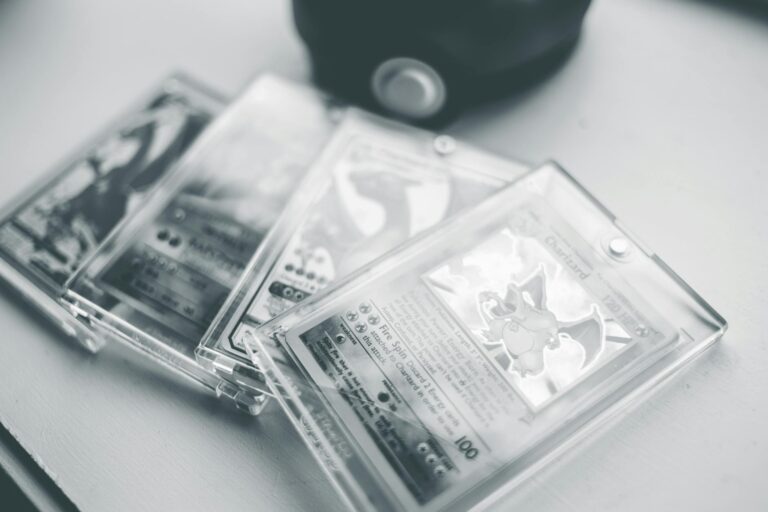
There are no known Shadowless cards from the Pokémon Base Set that exist with distinct gloss finish differences as separate print variants; the glossy front is a uniform characteristic of all genuine Shadowless cards, setting them apart from the Unlimited edition’s more matte finish, though individual cards can show minor wear-related variations in shine over time.[1]
Shadowless cards come from the original 1999 Pokémon Trading Card Game Base Set, printed by Wizards of the Coast right after the 1st Edition run. These cards don’t have the drop shadow around the artwork that later Unlimited prints added, which is the big giveaway for collectors. The Base Set has 102 cards total, including 16 holos like Charizard, Blastoise, and Venusaur at the top of the rarity list. Shadowless prints were made to meet huge early demand, but they weren’t around forever—production shifted to Unlimited pretty quick, maybe just a few months into 1999.
What makes the finish talk interesting is how Shadowless cards feel and look under light. They use a thinner cardstock overall, which helps them flex a bit more than beefier Unlimited ones. The front has this glossy sheen that’s noticeably brighter and more reflective, almost like a fresh coat of wax on a car. Hold one next to an Unlimited card, and the difference pops right out—the Shadowless side mirrors light better, while Unlimited has a duller, flatter vibe.[1] This isn’t some rare variant; it’s standard for the whole Shadowless print run. No official count exists of cards split by “gloss levels” because Wizards didn’t track or produce them that way. Every Shadowless card was meant to have that same glossy treatment from the factory.
People sometimes spot what they call “finish differences” when buying old cards online or at shows. Here’s why that happens, broken down simple. First, printing presses back then weren’t perfect. Early Shadowless sheets might have gotten a tad more gloss coating in some batches due to machine tweaks or ink drying times. But these are tiny shifts, not enough to make a new “variant.” Second, holos like Chansey or Alakazam scratch super easy on that glossy holo layer. A PSA 10 Chansey Shadowless is unicorn-rare because the light background shows every tiny mark, dulling the shine unevenly.[2] Wear from sleeves, shuffling, or just age can make one card’s gloss pop more than another’s, fooling new collectors into thinking it’s a special print.
Take the famous Base Set Shadowless Charizard holo. In top shape, its gloss makes the flames dance like crazy under light. But pull a circulated one from a binder, and the finish might look patchy where fingerprints or bends hit. Same for non-holos like Pikachu or Dratini—the matte black backs stay consistent, but fronts lose luster from handling. No data pins down exact numbers with “high gloss” versus “standard,” because grading companies like PSA or BGS don’t log finish as a separate attribute. They grade centering, corners, edges, and surface, bundling gloss issues into surface scores. Out of thousands of Base Set Shadowless cards graded over 25 years, maybe a few hundred show pristine gloss across the board, but that’s condition, not a factory difference.
Dig into print runs for clues. The Base Set exploded in popularity—Wizards printed millions of packs fast. Shadowless likely numbered in the high hundreds of thousands per card for commons, dropping to tens of thousands for rares and holos. No exact figures from Wizards, since they stopped sharing after Pokémon licensing ended. But auction sales give hints: a Shadowless Charizard in near-mint might fetch thousands, while one with dulled gloss from wear goes cheaper. Chansey’s a prime example—its holo scratches fast, so glossy survivors are scarce.[2] Still, all started identical off the press.
Collectors chase “glossy” Shadowless like the holy grail, but it’s mostly myth. Forums buzz with photos claiming “super gloss” versus “regular,” often just clean versus dirty cards. Clean one with isopropyl alcohol and a microfiber cloth, and gloss evens out unless damage is permanent. Fakes muddy this too—Chinese knockoffs mimic gloss but use cheap stock that yellows quick or bubbles under UV light.[1] Genuine ones hold steady shine if stored right.
Compare to other sets for perspective. Jungle and Fossil, the next expansions, skipped Shadowless entirely—straight to Unlimited with even less gloss. Later sets like Legendary Collection added full shiny foils, but Base Set Shadowless stays unique in its balanced gloss. Test prints exist, like that unreleased Disco Holofoil Charizard with wild foiling patterns, but those aren’t Base Set Shadowless and sold for over $100k once.[2] No gloss variants there either—just experimental fails.
How many with true finish differences? Zero as official variants. If you mean population reports, PSA has graded over 100,000 Base Set Shadowless cards total by now, with holos like Blastoise at 20,000+ submissions. High-gloss survivors in PSA 9 or 10? Maybe 1-5% per card, based on sales trends, but that’s wear, not print diffs. Commons like Caterpie? Near endless supply, all glossy if unplayed.
Spotting real gloss takes practice. Tilt under LED light—no glare means fake or Unlimited. Thinner stock bends easier. Set symbol lacks shadow. Copyright says 1999 without “edition” mark for non-1st.[1][3] Font on early Shadowless is thinner too, tying into those micro-reprints.[3] But gloss? Factory standard.
Storage kills gloss over decades. Yellowing from smoke, oils from hands, or PVC sleeves leaching chemicals dull it. Top collectors use Mylar sleeves and archival boxes to preserve shine. Even then, no two cards match 100% after 25 years—humidity, light exposure vary.
Auction data backs the uniformity. Recent sales of Shadowless holos all describe “glossy holo finish” without splitting hairs. A 2020 PSA 10 Shadowless Chansey hit $55k, prized for intact gloss despite scratch risk.[2] No “matte gloss variant” listings.
Unlimited cards shifted to thicker stock and less gloss to cut costs and speed production. Shadowless gloss was a holdover from 1st Edition luxury printing. If variants existed, Wizards would’ve hyped them— they didn’t.
Modern reprints or bootlegs chase that look but fail. Neo Genesis Shining cards tweak foiling, but Base Set Shadowless gloss is irreplaceable.[2] Count? All 102 cards x print run sizes, uniform finish.
Buyers beware: “Ultra gloss Shadowless” listings often upcharge fakes. Verify with blacklight—real ones glow specific under UV. Weigh a stack—Shadowless lighter.[1]
In packs, Shadowless came sealed, gloss pristine. Opened today, they vary by owner care. No census tracks “gloss grades,” but raw card markets overflow with glossy commons.
Holo foiling amps gloss—stars sparkle more on Shadowless than Unlimited. Non-holos subtler, but still glossie