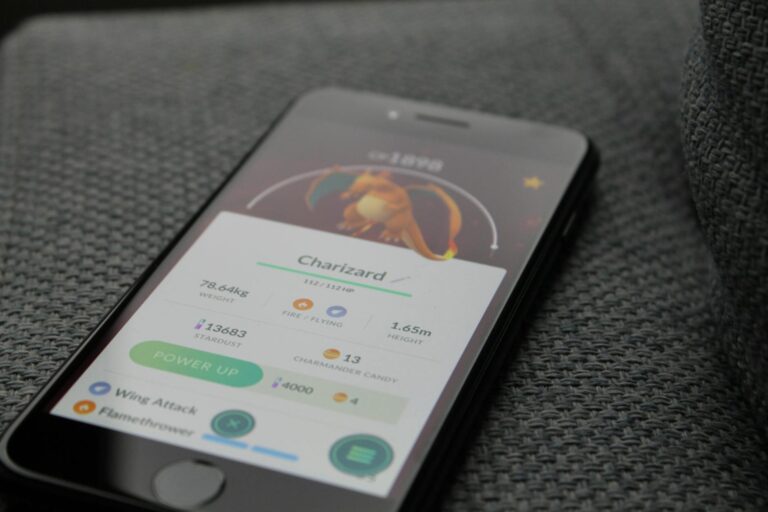
Calculating the value of a trading card using TCGPlayer involves understanding the pricing data TCGPlayer provides and how to interpret it effectively. TCGPlayer is one of the largest online marketplaces for trading card games (TCGs) like Pokémon, Magic: The Gathering, and Yu-Gi-Oh!, and it offers detailed price guides and market data that reflect real-time buying and selling trends.
To calculate a card’s value on TCGPlayer, you need to consider several key price points that the platform displays for each card:
1. **Market Price**: This is the average price at which the card is currently selling on TCGPlayer. It reflects recent sales and listings and is a good indicator of the card’s general market value.
2. **Low Price**: The lowest price at which the card is currently listed for sale. This can be useful if you want to buy the card at the cheapest available price but may not represent the typical selling price.
3. **Mid Price**: The median price between the lowest and highest listings. This is often considered the most balanced estimate of a card’s value because it reduces the impact of outliers.
4. **High Price**: The highest price at which the card is listed. This might reflect rare versions, special editions, or cards in pristine condition.
5. **Last Updated**: The timestamp indicating when the price data was last refreshed, which helps you know how current the pricing information is.
When you look up a card on TCGPlayer, you will see these prices displayed, often alongside additional details such as card condition (e.g., Near Mint, Lightly Played), edition, and whether the card is graded by professional services like PSA (Professional Sports Authenticator).
To calculate the card value accurately:
– **Identify the card’s exact version and condition**: Different printings, editions, and conditions can drastically affect value. For example, a first edition card or a PSA-graded card will usually be worth more.
– **Use the Mid Price as a baseline**: The mid price is generally the most reliable indicator of what you can expect to pay or receive for the card in a typical transaction.
– **Adjust for condition and grading**: If your card is graded (e.g., PSA 9 or PSA 10), check the graded prices, which TCGPlayer or related services often provide. Graded cards can be worth significantly more than raw (ungraded) cards.
– **Consider market trends**: Prices fluctuate based on demand, new releases, and meta changes in the game. TCGPlayer’s data updates frequently, so check the “last updated” timestamp to ensure you’re using current information.
– **Compare with other marketplaces**: Sometimes, cross-referencing prices on eBay, CardMarket, or specialized APIs like PokemonPriceTracker can give you a fuller picture of the card’s value.
For example, a Pokémon card like Charizard might have a market price of $399.99, a low price of $275.00, a mid price of $375.00, and a high price of $575.00 on TCGPlayer. If the card is PSA graded, prices can be much higher, such as $15,750 for a PSA 10 grade, $1,850 for PSA 9, and so forth. These graded prices come from historical sales data and reflect the premium collectors pay for top-condition cards[1].
If you want to automate or programmatically calculate card values, you can use APIs like the one from PokemonPriceTracker, which pulls daily-updated TCGPlayer data along with PSA grading prices. This API allows you to retrieve detailed pricing information, including market, low, mid, and high prices, as well as graded card values, which can be integrated into apps or websites for real-time valuation[1].
When dealing with medical or health-related cards (such as those in specialized TCGs or promotional cards with medical themes), it is important to rely on authoritative sources for any health claims or medical information included on the cards. For example, if a card references a medical condition or treatment, cross-checking with reputable medical sources like the Centers for Disease Control and Prevention (CDC), World Health Organization (WHO), or peer-reviewed medical journals ensures accuracy and reliability. This is crucial because misinformation can spread easily, and authoritative sources provide validated, evidence-based information.
In summary, calculating card value on TCGPlayer involves:
– Identifying the exact card and its condition
– Using the mid price as a reliable value estimate
– Adjusting for grading and special editions
– Checking the latest market data and trends
– Optionally using APIs for automated, up-to-date pricing
This approach ensures you get a realistic and current valuation of your trading card based on actual market activity.