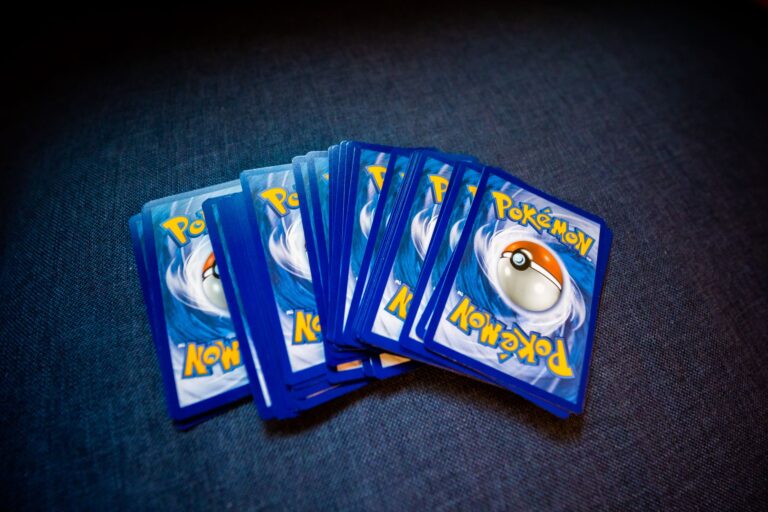
The Pokémon Trading Card Game (TCG) has been a beloved hobby for many enthusiasts since its introduction in the late 1990s. One of the most iconic sets in the Pokémon TCG is the Base Set, which was first released in 1999 by Wizards of the Coast. This set includes some of the most recognizable and valuable cards in the game, particularly those from the 1st Edition. The 1st Edition Base Set is highly sought after by collectors due to its rarity and historical significance.
To understand the rarity of these cards, it’s essential to look at the PSA (Professional Sports Authenticator) population reports. PSA is a leading third-party grading service that authenticates and grades collectible items, including Pokémon cards. The PSA population report provides a detailed breakdown of how many cards of each grade exist for a particular card. This information is crucial for collectors as it helps determine the card’s value and rarity.
For example, the **Rattata [1st Edition] #61** card from the Base Set has a significant population of graded cards. According to the PSA population report, there are 3 cards graded as PSA 1, 4 as PSA 2, 4 as PSA 3, 22 as PSA 4, 41 as PSA 5, 77 as PSA 6, 192 as PSA 7, 445 as PSA 8, 907 as PSA 9, and 622 as PSA 10[1]. This distribution gives collectors an idea of how rare a high-grade Rattata card is compared to lower grades.
Another highly valuable card from the 1st Edition Base Set is the **Charmander #46**. While specific population data for Charmander is not detailed in the same way as Rattata, its value is well-documented. A PSA 10 Charmander can sell for nearly $1,900, reflecting its rarity and demand[3]. The value of these cards is influenced by their condition, rarity, and demand, making high-grade cards particularly valuable.
The **Charizard #4** is perhaps the most iconic card from the Base Set, but detailed population data for this card is not provided in the available sources. However, it is known for being extremely valuable, with high-grade versions selling for tens of thousands of dollars.
When discussing the value and rarity of these cards, it’s essential to consider the grading process. Cards graded by PSA or other reputable companies like Beckett Grading Services (BGS) are considered more valuable than ungraded cards or those graded by less recognized services. The grading process involves evaluating the card’s condition, including its centering, corners, edges, and surface quality.
In terms of medical references, there are no direct connections between the rarity of Pokémon cards and medical topics. However, the psychological aspect of collecting can be interesting. Collecting can provide a sense of accomplishment and satisfaction, which can positively impact mental health. According to the American Psychological Association, engaging in hobbies like collecting can reduce stress and improve mood. While this is not directly related to the PSA population reports, it highlights the broader benefits of collecting.
Overall, understanding the PSA population reports for 1st Edition Base Set cards helps collectors appreciate the rarity and value of these items. Whether you’re a seasoned collector or just starting out, knowing how many high-grade cards exist can guide your purchasing decisions and enhance your collecting experience.